Size & Type
Other

Riesling from Watervale, Clare Valley, South Australia, Australia
$218
Tasting the first three Florita SLRA Rieslings side by side is an epic experience that needs patience.
The mouthfeel and mid-palate across the three wines is exceptional. Love the élévage and development from the Solera approach to making. No primary estery, fermentation artifacts to be seen. The wines have transitioned with quality vinous fruit sitting waiting to fully express itself. Super tight. Over several days, these open and any inkling of a wrinkle disappears.
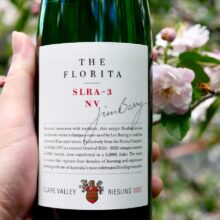
To the SLRA-3 specifically, a wee lick of SO2 on opening. Perfumed, fine, more immediate generosity than the first two iterations. Delicate, filigreed, incredibly fine. A quality lacing of delicious reduction, adding a savoury element. The development, here, the extra time is giving a wonderfully expressive, flowing, appeal. Yes, still tightly coiled, the perfume is insane. These wines remind me of top-end Burklin Wolf, think Pechstein GC. The kind of wine that with time in bottle will give you something very, very special. The delicacy the lacing, the attention to mouthfeel. The mid-palate detail is impressive. The intensity and core of fruit is ridiculous, building as it opens, only tamed by the superb acid. Electric energy. Love the citrus oils.
Tasting again 48 hours later from open bottles with no protection, the SLRA 3-NV unfurled a little showing the quality fruit. The mouthfeel, with a filigreed layer of phenolics so important to building the structure of a wine like this, is impeccable. One of those wines that reveals a little something new with every sniff. I am certain the foundational work done in the vineyard and winery to make such detailed, complete wines will be rewarded by further time in bottle.
I can’t wait to see how they drink over the coming years and decades. The Barry’s have put a drinking window to 2060 on this. Being under screwcap, I reckon it’ll last much longer. It has me thinking of the 1970 Leo Buring DWV 110 Show Reserve Riesling made by the legend John Vickery I devoured with some 40 years of bottle age on it. Perhaps no coincidence given John Vickery pulled out the Palomino originally planted on the Florita site replanting it to Riesling that went into the great Watervale Rieslings he made in the 1960’s and 1970’s.
This wine is set to become an Australian icon. I am certain its making will continue to evolve with each vintage.
Paul Kaan, Wine Decoded Oct 2026
In stock
Every winemaker wants to make delicious wine, to push the boundaries, time is both our enemy and asset. Time taken to establish and understand vineyards, and only 1 shot each year to pick grapes and experiment slows our progress. On the flip side patience during the making and aging of great wines can give us unrivalled pleasure!
Playing in an agricultural industry subject to the laws of nature is one of the most challenging crafts to ply.
When it comes to winemaking it’s all about options through every step of the process. Those options are only limited by knowledge and imagination. The Barry’s drive to advance Australian Riesling is a demonstration of the dedication required to be students of wine history, current practices, and thoughts for the future at a global level.
Highlighted by their key role in setting up and running of Riesling Down Under that brought Riesling makers from around the world together to share their knowledge of growing and making Riesling and their collaboration with Ernie Loosen.
The financial pressure on the global wine industry often creates a barrier to establishing the base of knowledge needed to add context to winemaking decisions, it’s not cheap to travel the world and dedicate time to understand the growing and making of makers of delicious wine, or indeed to run a divers tasting program to see the results of their approach in the glass.
The Barry’s dedicate considerable resource to learning and experimenting.
I speak with Sam and less so Tom on this subject. It’s always refreshing to hear what’s happening and coming down the pipeline.
The push for both longer élévage pre-bottling in a variety of vessels for Riesling and dedication to establishing a cellar of greater than 1 million bottles of museum stock examples of this.
As with all things wine simple questions often require a book to be answered with real meaning. There is much more than these examples of winemaking occuring.
At the end of the day the most important thing to know is that we get rewarded in the glass with Rieslings that are being made with the a simple goal in mind: make a liquid of beauty that sates thirst.
THE LAND
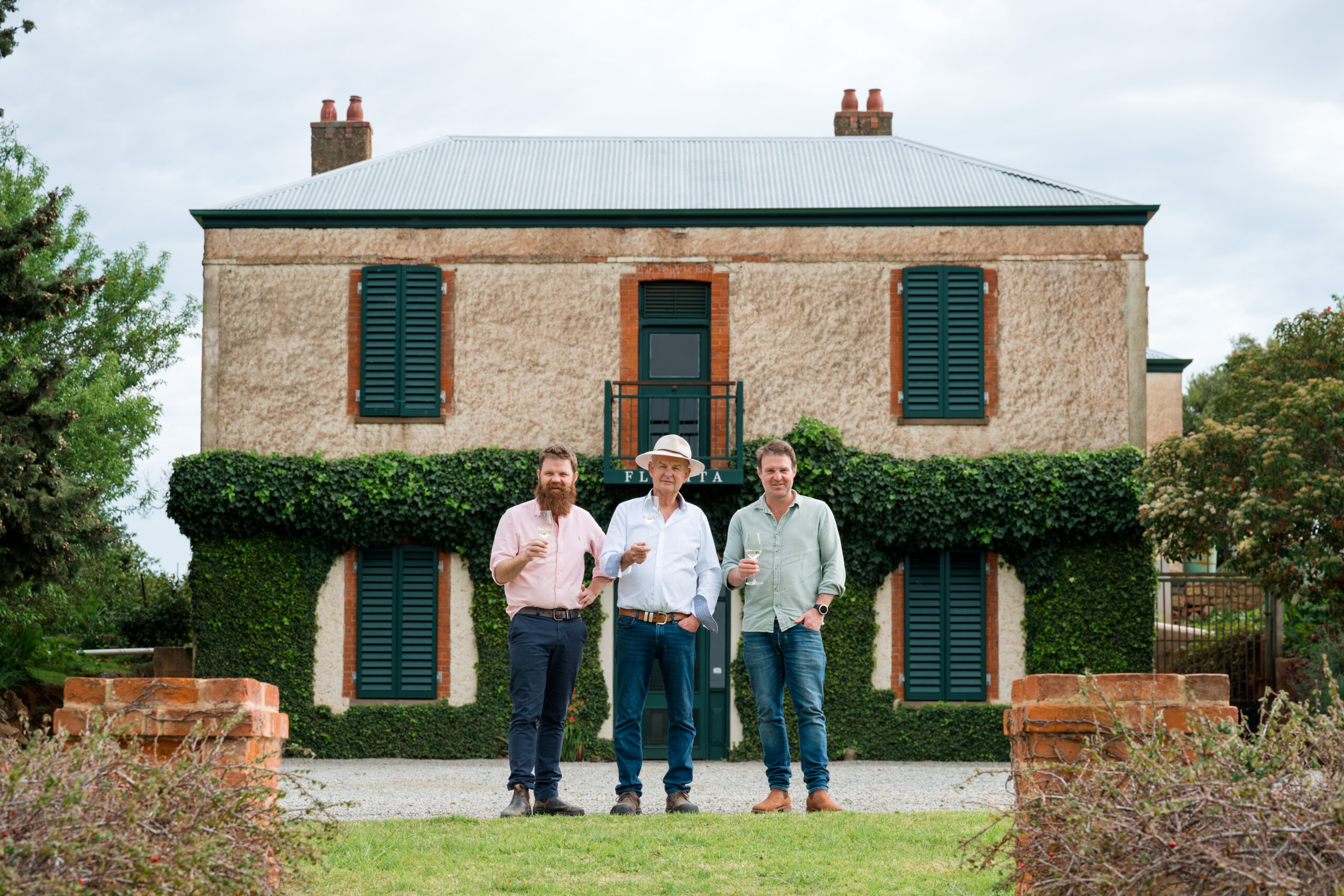
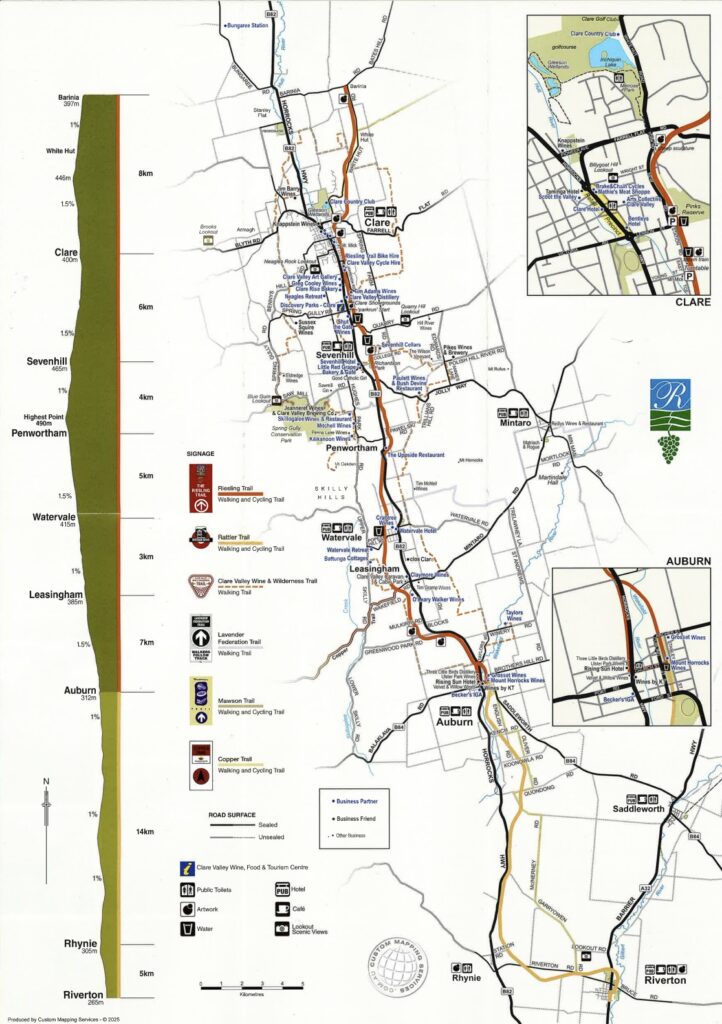
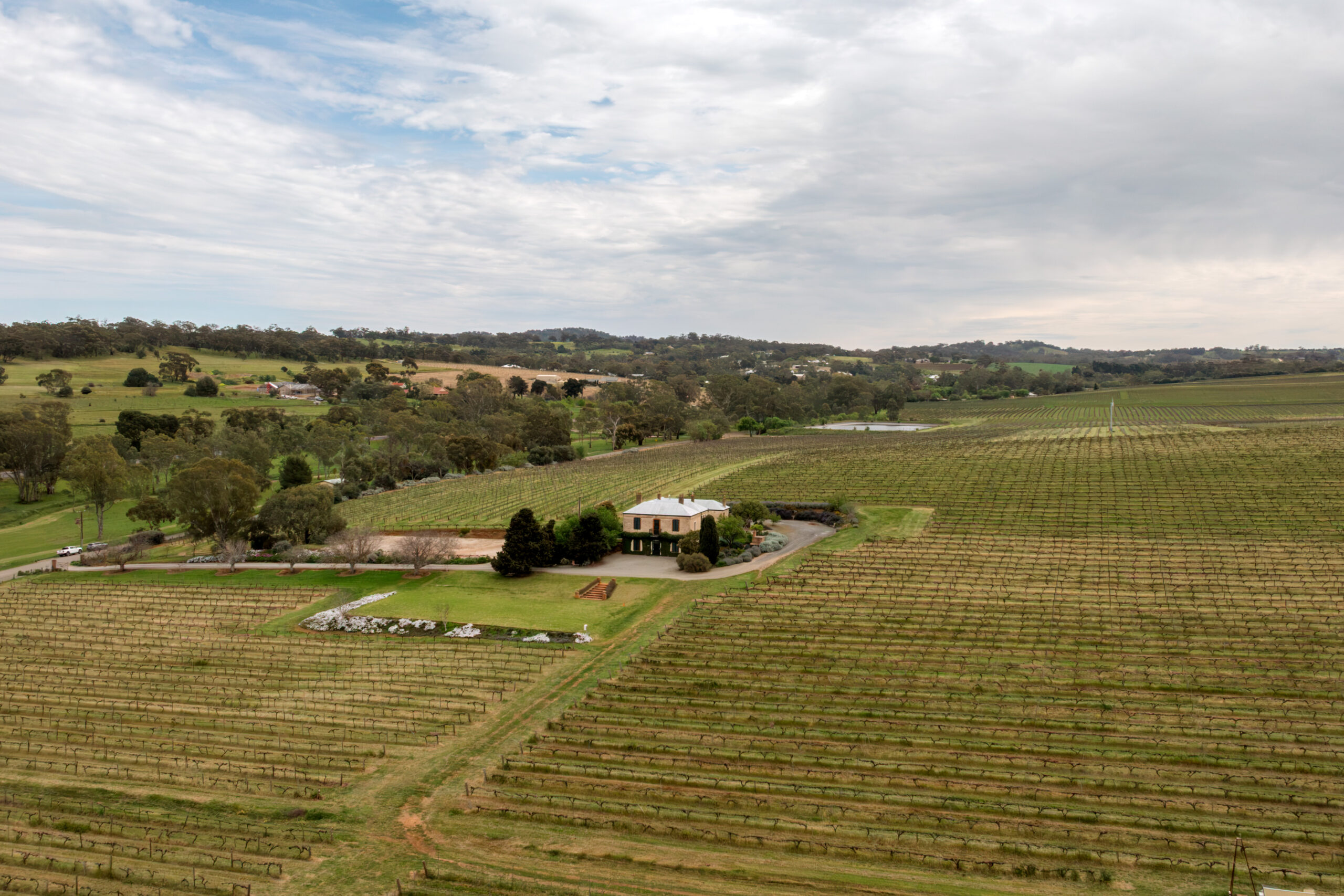
Located fifteen kilometres south of the Clare township in the tiny village of Watervale, the famous Riesling vineyard was planted to Palomino in 1946 for making Fino Sherry and replanted to Riesling in 1962. The birthplace of Leo Buring Watervale Riesling, Florita was where legendary winemaker John Vickery sourced grapes for his great Watervale Rieslings of the 1960s and 1970s. The 80-acre vineyard was sold by globally-owned, multi-national company, Lindeman’s, to Mark, Peter and John Barry on June 20, 1986.
SOIL PROFILE
The Florita Vineyard is characterised by a medium brown, loamy topsoil over a khaki-grey, calcareous siltstone of the Mintaro Shale Formation. A property of gently rolling hills with its best fruit coming from vines planted in the shallow loamy soils, the vineyard has good air-drainage which alleviates the risk of frosts.

A project any sane business person would run from.
It is one that anyone as passionate about driving the evolution of Riesling as the Barrys are couldn’t resist.
Forever students of wine, they’re exploring the history and making of not only Riesling, but the wines of the world too.
There are great examples of long ageing Riesling in large old oak in Germany, Austria and France. To this day Nikolaihoff hold their very best wines in large old oak for extend periods as long as two decades and beyond.
Schloss Gobelsberg have released wines blended across as many as 50 vintage and regularly across 3, 5 & 10 years. Pieropan released their C5 recently that saw 5 vintages of their Calvarino Cru Soave aged for a decade..ish and then before blending and bottling.
When you research the approach of long ageing, Soleras and multi-vintage blending, you discover it has been used for centuries. Yes, in sherry, Champagne too and by some as a wee gimmick (Penfolds G3).
The conviction and intent of the Barry’s with the Florita SLVR project is pure, as are their incredible wines.
The SLVR-3 NV a 5 year blend across 2021-2025 is the first to be released. Sam was kind enough to send me the SLVR-1 2021-2023 and SLVR-2 2021-2024 to devour along side the SLVR-3. What an experience! Tasting them I can see why they are holding back the SLVR-1 and SLVR-2. Insane wines in their own right, they just need more time.
Florita Solera SLRA-3 was drawn from a solera established in 2021, beginning with 1,500L of Florita Riesling matured in seasoned 500L hogsheads before being transferred to a 2,800L fuder in 2022. Since 2023, 900L has been bottled annually as SLR A-1, SLR A-2 and SLRA-3, with the solera replenished each year with the current vintage of Florita Riesling. Prior to bottling, SLRA-3 was freshened with a 5% addition of 2025 Florita Riesling to enhance freshness, vibrancy and balance while preserving the complexity developed through extended solera maturation.
2021 – 18% 2022 – 24% 2023 – 21% 2024 – 32% 2025 – 5%
All of these wines have decades ahead of them. If you are going to drink them young do it over several days and not too cold. 14-18°C.

There are characters we look for in the best wines length, depth, balance, complexity, freshness, development, mouthfeel, delicacy, and overall beauty, personality if you prefer.
Young riesling from fruit of this calibre can have fierce acidity that takes years if not decades to fall into balance. It’s here we see the first win for this wine. During this time the acid forms tartrate crystals on the walls of the barrels, natural sedimentation sees some slowly fall to the bottom.
This changes the texture of the wine and acid, it become incredibly soft and fine, not chalky. Combined with gentle oxidation all of the estery fermentation notes and sweet primary fruit characters shift to a profile of pure vinous fruit. The wine tastes like wine not fruit juice.
Development in bottle is slowed by the high acidity, as it progresses the wine harmonizes, it builds generosity of flavour. Reserve wines for Champagnes are held for this reason to add richness to new blends. This development adds nectar, honey, maple, toasty and nutty aromas and flavours. The texture softens, as the youthful firm acid settles, and phenolic components oxidise and settle out too. All the components integrate, yielding a seamless delicate thing of beauty.
The longevity of fortified wines through the addition of alcohol and their high sugar content allows components 10, 20, 50 even 100 years old to be used in blends.
Here the acidty, and perfect, cold storage conditions in the cellars have offered the same opportunity for a white wine.
When I made the 1996 wines at Yarra Yering, the vintage was extreme, cold and wet. The wines that have naturally high acidity in a normal year had extreme acid levels. We really should have deacidified them. It took near 20 years for them to resolve. The mask of acid was lifted revealing a delicacy, a beauty. They were not YY’s best wines, yet they were much more impressive than I had ever expected they would be, particularly the whites.
The SLRV wines has been beautifully blended, the development is clear yet it is wonderfully vital and fresh with loads of energy. The acid profile and mouthfeel are divine. The length, layering, and complexity offered by so many components is extreme. If there was ever an argument for blending across vintages, varieties and beyond this is it! When blending a young wine, we still need to call it as we see it, project a little into the future, without predicting too much.
To some degree this approach takes a little guess work out and allows the maker to predict the future. Beyond this they can add to the solera additional components for any bottle to complete the wine. As an alchemist would, they can blend precisely, bringing together the earthy, dirty, savoury components with the perfumed, fruity, sweet elements and fine tune balance and texture. With a final flourish add a tiny hit of sulphur to freshen the wine bringing it all together.
This is only the beginning for the Barry’s with this approach. The three wine made to date are stunning!
As to economic viability, well that went out the door when the project started.
Jim Barry Wines are located in the heart of the Clare Valley, South Australia, Australia.

Where in the world does the magic happen?
Jim Barry Wines, Craig Hill Rd, Clare SA, Australia
You must be logged in to post a comment.