The French use the term élévage with reference to both wine and children! It translates to “A good upbringing” or bon élévage “Being well raised”.
For kids, this covers life before adulthood begins.
For wine, it’s the ageing or maturation period of time following the initial alcoholic fermentation right up until the point of bottling. A good maker will be constantly tasting their wine and deciding what they can do to develop the wine. It may be that the wine could do with a little air through a process like racking to help bring it on. The aim here might be to evolve the flavours and aromas from raw and primary to more sophisticated developed ones or to develop the tannins, refining them and improving the texture / mouthfeel.
The wine might be looking a little tired and need a hit of sulphur to freshen it up.
The wine may have enough oak influence from newer wood and need to be transferred to another vessel.
It may simply be a matter of the status quo, patience and waiting.
Wine is not always linear or predictable and often curve balls are thrown our way. It’s important to be agile in your approach to making a wine and work with the cards you’re dealt. This is when the knowledge, experience, wisdom is you will of the maker comes to the fore.
In the Wine Bites Mag article: “Bathtub Winemaking Day 449 – Élévage: Raising the Kids 2017 Wine Decoded Shiraz” I explore the approach to élévage we took making our very own wine.
Some wines are rushed through this process for commercial reasons and are bottled raw, with a bit of puppy fat. Come commercial wine can be released within 2-3 months of harvest. Others are allowed have a more thorough élévage and are much more ready to drink at the end of this process.
Rioja is an extreme example of insane differences in élévage for a red wine. Some Rioja is bottled 12-18months after harvest. In contrast R. López de Heredia bottle their Viña Tondonia Reserva after around 6 years in barrel and then hold it in bottle for another 4-6 years before releasing it to the market. Both of these cases are not necessarily about one wine being better than the other, they are a stylistic interpretation of the fruit in the hands of the maker, one wine fresher the other fully developed.
Weingut Nikolaihof is an extreme example of the exceptionally long aging of a white wine, Riesling, in barrel, aged for as long as 25 years in large old casks before bottling.
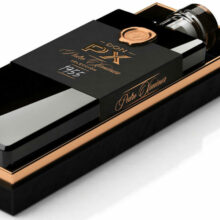
The most extreme examples of the wine world being the fortified wines of Madeira, aged Sherries of Spain and the divine fortifieds of Rutherglen that may see decades even centuries in barrel before bottling.