Size & Type
Other

Burgundy
Mid-way between Beaune and Paris, the Chablis winegrowing region stretches over around 20 communes. Nestled among the valleys and wooded hilltops, the vineyards cover the hillsides running alongside the pretty Serein Valley. The vines sink their roots deep into the clay-limestone soil, drawing on them for their characteristic mineral aromas, to the delight of Chablis drinkers.
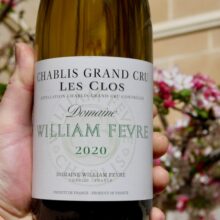
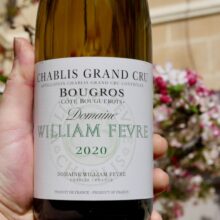
Here, Chardonnay reigns supreme. It is used for all Chablis wines and has made them famous around the world. The most highly prized among them is the wines classified Chablis Grand Cru, with its green-gold color and perfect balance between liveliness, dryness and acidity.
There are 3 other classifications.
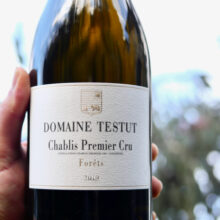
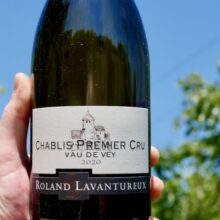
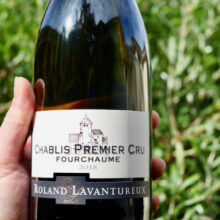
Chablis Premier Cru wines. This appellation encompasses a wide range of aromas from the most mineral to the most floral.
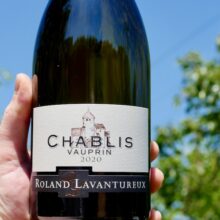
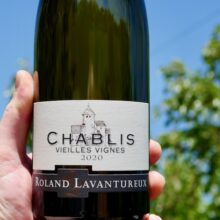
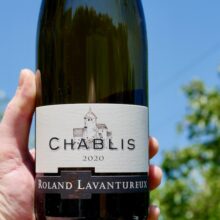
Chablis wines are very dry, and stand out with their freshness and sophistication.
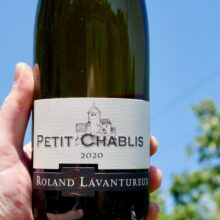
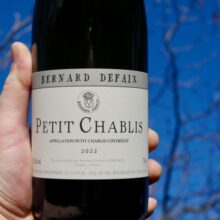
Petit Chablis are wines rich in aromas of white blossom and citrus and are light and full of life.
Back in the early naughties, we were hoovering Chablis from the early 1970’s. When the Tsunami hit, wheelbarrows of Grand & 1er Cru’s were arriving from the auction houses at around $14 a bottle. By the time it receded, after everyone else had caught on, they were up at around $40 a bottle and still a bargain. Purity, complexity, amazing texture, lovely lines of acid were the hallmarks of these incredible wines. Testut et Fréres Grenouille featured! Such a great vineyard.
It’s wines like these that both inspire and excite!
While we were drinking Grand Cru and Premier Cru wines back then, today with dedicated work in the vineyard and winery we are seeing exceptional Chablis and Petit Chablis wines being produced.
The total area under production is 3,367 Ha
Area in production (2018): 100 ha.
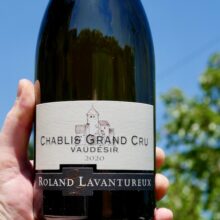
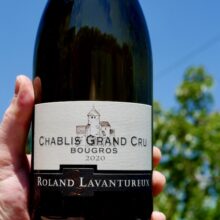
Chablis with seven officially delineated Grand Cru climats, covering an area of 247 acres (100 hectares), all located on one southwest facing hill overlooking the town of Chablis. There is one vineyard, La Moutonne, located on this hill between the Grand Cru vineyards of Les Preuses and Vaudésir that is considered an “unofficial” Grand Cru and it will appear on wine labels. However, the Institut National des Appellations d’Origine (INAO) does not recognize La Moutonne as a Grand Cru.
The seven Grand Cru are Blanchot, Bougros, Les Clos, Grenouilles, Preuses, Valmur, Vaudésir.
Area under production (2018): 783 ha.
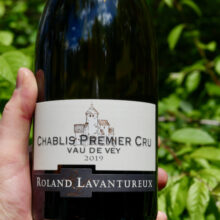
At the turn of the 21st century, there were 40 Premier cru vineyards in Chablis. In 2009, the official list was expanded to 89 vineyards. The names of many of these vineyards do not appear on wine labels because of an INAO allowance that permits the use of “umbrella names” – where smaller, lesser known vineyards are allowed to use the name of a nearby more famous Premier cru vineyard. Seventeen of the most well known “umbrella” vineyards are bolded below.
Chablis + Petit Chablis make up the balance of the area.
White wines only – Chardonnay (locally known as « Beaunois »).
I suspect we will see increasing experimentation with Pinot as the climate warms.
Viticulture in Chablis follows similar lines to that in burgundy with close planted vines low to the ground. As in so many parts of the world we are seeing more and more growers shift to sustainable biological viticutlure with many switching to organics and biodynamics.
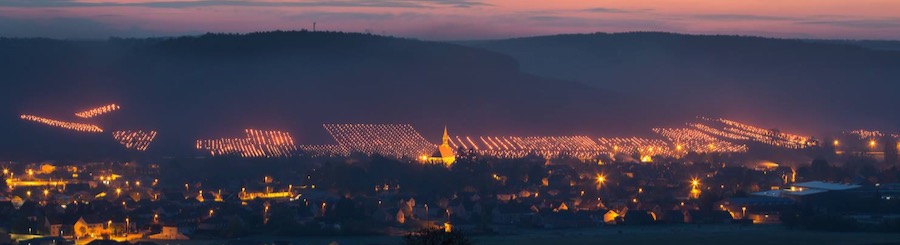
The region is prone to frost risk and it’s not uncommon to see smudge pots burning across the vineyards during the growing season.
Like every wine region of the world Chablis has been exposed to advances in modern winemaking technology, shifts in stylistic interpretations, and, preferences, and of course the impact of climate change.
The most significant areas of change have been in temperature-controlled fermentation, use of malolactic fermentation, use of oak, and, reduction in chaptalisation due to warmer riper vintages.
As you’d expect, those makers looking after their vineyards, achieving flavour ripeness early, able to pick early enough to retain natural acidity and judiciously apply use of oak are making exhilarating wines.
The devil in the detail with key elements including fruit handling to achieve the right levels of phenolic extraction, exposure to oxygen as juice, fermenting wine, and post-fermentation, use of wild yeast, lees contact, lees stirring, tank vs old vs new oak ratios, and time maturing pre-bottling.
Whilst depth, length, balance, complexity, freshness, and, development all play their part, it’s the texture of the great Chablis’ that sets them apart!
Check out the article ‘Getting Your Head Around Burgundy Part 10 – Chablis’. It covers Chablis in more detail, including videos explore the geology, geography and climate + a video 🎥 session with Bernard Raveneau!
Showing of wines
Chardonnay from Chablis, Burgundy
A discreet application of wood suffuses the restrained and beautifully layered nose of mineral reduction, iodine, tidal pool, white orchard fruit and a vague hint of phenolic character. The super-sleek, dense and intense broad-shouldered flavors possess a palate etching mouthfeel while delivering simply remarkable length on the stony, austere and very dry finale that is akin to rolling small rocks around the mouth. The intensity really builds as it sits on the palate and overall, this beauty is
Chardonnay from Chablis, Burgundy
An airier and mildly cooler nose reflects notes of mineral reduction, white flowers and the hallmark citrus influences. The sleeker though not denser middleweight flavors possess a more refined mouthfeel as well as more evident minerality that seems to build on the bitter lemon-tinged, dry and sneaky long finale. Lovely stuff and this generously proportioned effort should also reward up to a decade of keeping. Drink 2030+ ♥ OutstandingAllen Meadows, Burghound 91 Points WK 92-94
Chardonnay from Chablis, Burgundy
Excellent élévage calm, saline, beautiful core of delicate yet flavourful fruit white stone fruit a little citrus oil, a savoury twist all wrapped in a fine flowing texture with just the right amount of phenolic grip.Another example of a Petit Chablis pushing above its standing, a trend we’re seeing with the better producers.Certified organic. Defaix’s Chablis villages is drawn from four parcels of mature, 30-plus-year-old vines situated around Milly and Poinchy, on the left bank
Chardonnay from Chablis, Burgundy
“Here is the only wine that with 100% stainless-steel for all vinification and elevage. All from Lignorelles. That’s a very friendly nose – slightly round and faintly caramel despite tank elevage – an inviting sweetness. A little touch of green in the flavours but also lots of energy and citrus bitters. Very engaging, tasty wine. Long too.”Bill Nanson
Chardonnay from Chablis, Burgundy
“All the domaine’s wines are vinified parcel by parcel – this comes from a single parcel in Lignorelles but a big parcel of 5ha and it’s the biggest cuvée of the domaine. Here starting to see a proportion of older barrels for elevage. A similar roundness and sweet invitation to drink. Mouth- filling, silky – here is a super wine for drinking today! The finish is pure and full of energy – again with lovely citrus-skin complexity. That’s really excellent.”Bill Nanson
Chardonnay from Chablis, Burgundy
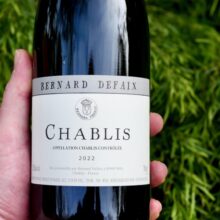
This is very good. Defaix has given us a restrained, detailed expression of Chablis. Mineral with juicy fruit, citrus, and most importantly loads of personality. The fruit drive is impressive, balanced by lightning energy and zippy acid. The mouthfeel is superb, long and refined with great length. A build in depth and length a little more fine saline acid keeping it fresh and mouthwatering.Cleverly built up layer after layer with fruit savoury pops élévage that sees it resolved, together
Chardonnay from Chablis, Burgundy
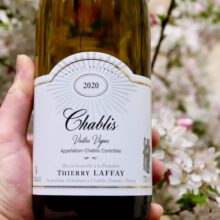
Showing exactly how important vine age is! A step up, an extra zip of salty acid and that mid palate weight with excellent length. Florals, white stone fruit a little citrus pith and plenty of fun. That slight primary edge that disappeared as it opened revealing excellent depth and length with restraint. A little more complexity. Mid palate texture is excellent. Hazelnuts and an extra layer of pleasure here. Excellent.
Chardonnay from Chablis, Burgundy
Sourced from a mosaic of exposures and elevations and incorporating old vines planted between 1969 and 1972, the 2023 Chablis Village offers aromas of pear, white flowers and freshly baked bread. Medium- to full-bodied, ample and charming, it is underpinned by ripe yet racy acidity and concludes with a long, saline finish. Harvested earlier to preserve freshness, this is a well-executed village-level Chablis. Drink: 2026 – 2038Kristaps Karklins, The Wine Advocate 90 Points
Chardonnay from Chablis, Burgundy
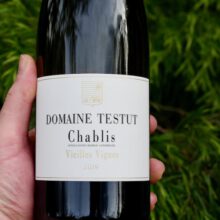
The pedigree of this fruit at the Chablis level is pretty bloody good! It's from a 50 year old parcel adjacent to the Grand Cru, Blanchot!Bloody tasty Village. Beautifully weighted and developed. Often at this level Chablis can be thin and raw. Testut here, as with all his wines shows a deft touch in raise the wine and building generosity. A wine that can be hoovered now, it’ll drink well over the next few years. Great flow across your palate, fine, sophisticated, perfect everyday drinking
Chardonnay from Chablis, Burgundy
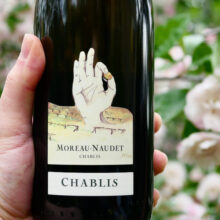
Not all Petit Chablis is created equal! Moreau’s Petit Chablis comes from a single 2.5-hectare site between Courgis and Beine, just outside Chablis on the route to Auxerre. It has a southwest orientation and lies on Kimmeridgian soils (as opposed to the higher Portlandian soils on which most Petit is grown). Half of the plot is home to 25- to 30-year-old vines, while the other half is somewhat older at 45 to 50.The wine ferments spontaneously in large vats of 32 to 100 hectolitres. This re
Chardonnay from Chablis, Burgundy
Not all Petit Chablis is created equal! Moreau’s Petit Chablis comes from a single 2.5-hectare site between Courgis and Beine, just outside Chablis on the route to Auxerre. It has a southwest orientation and lies on Kimmeridgian soils (as opposed to the higher Portlandian soils on which most Petit is grown). Half of the plot is home to 25- to 30-year-old vines, while the other half is somewhat older at 45 to 50.The wine ferments spontaneously in large vats of 32 to 100 hectolitres. This re
Chardonnay from Chablis, Burgundy
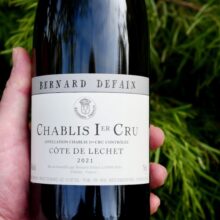
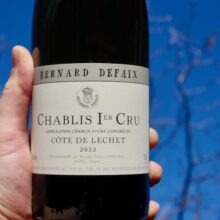
The hallmark citrus aromas of a fine Côte de Léchet are present on the nose of quinine, oyster shell and poached apple scents. There is fine volume to the delicious medium-bodied flavors that flash ample minerality on the saline, youthfully austere and focused finale. Lovely.Burghound ♥ Outstanding 90-93 Points🔥 HOT TIP - Drink it at 12-14ºC or even a bit warmer to get the most from it.
No wines match your filters
Try removing a filter or broadening your selection.
We couldn't load the wines just now.
You've seen all wines
wines