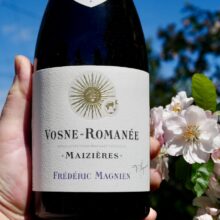
Frédéric Magnien Vosne-Romanée 'Maizières' 2020

Product information

Frédéric Magnien Vosne-Romanée ‘Maizières’ 2020

Pinot Noir from Vosne-Romanée, Côte-de-Nuits, Burgundy, France

$262

$252ea in any 3+
$242ea in any 6+
Alc: 13%
Closure: Cork

Description

The fruit shows the Vosne feel and a line of developed savouriness with plenty of structure weight nicely against the fruit. As this settles and resolves the build in generosity and perceived fruit weight as the acid sttles will see it revealing its full potential. A wine with everything in its place, just a little DJ Time needed for it to dial in. Great example of Village Vosne.

Paul Kaan, Wine Decoded Oct 2026

In stock
Check out all of the wines by Domaine Michel Magnien & Frédéric Magnien

Why is this Wine so Yummy?

In October 2026 I tasted a set of 2019, 2020, 2022 & 2023 Michel & Frédéric Magnien wines. The 2023 was the only white, a Bourgogne Blanc from the famed Bons-Bâtons vineyard just outside the Chambolle-Village boundaries. Impressive, fresh, vital, great core of fruit, a texture with appropriate chew and grip combining to offer up a wine hitting will above its price point. The reds had a consistent them. All were listed at 13% Alc, they were full flavoured, had a transparency and delicacy and showed their terroir. The tannin profiles sit in the 1st half of the spectrum that would be considered ripe and made for grape tannin first mouthfeel particularly, given no new oak is used and the high percentage of Amphora use. In a region where it is becoming more challenging to make wines of delicacy Michel and Frédéric are managing the task well.

About Michel Magnien & Frédéric Magnien

From the village of Morey-Saint-Denis, the Magnien family has been working the vineyards of Burgundy for five generations. Frédéric Magnien joined his father Michel in the early 1990s, returning from winemaking experiences in California and Australia before completing his oenology studies in Burgundy. In 1995, he established his own négociant business, alongside his work with the family domaine.

There are two distinct sides to the Magnien wines. Domaine Michel Magnien, recognised by its dark purple label, comes primarily from the family’s own vineyards, including parcels in some of the Côte de Nuits’ most celebrated Premier and Grand Cru sites. Maison Frédéric Magnien, identified by the white label, is the négociant side of the business, working with carefully selected grapes from growers across Burgundy. What makes Frédéric’s négociant wines particularly interesting is the level of involvement: he works with his growers throughout the growing season, from budbreak through to harvest and bottling, rather than simply purchasing finished fruit or wine. Both ranges are made in Morey-Saint-Denis, under Frédéric’s direction.

​The domaine remains the heart of the family story. Frédéric’s father Michel continues to oversee the vineyards, while Frédéric manages the cellar, bringing together his father’s meticulous vineyard work with his own restless curiosity as a winemaker. This partnership was recognised remarkably early, with the pair named “Wine Personalities of the Year” by The Wine Advocate in just their second year as estate bottlers.

Today, the domaine farms around 19 hectares across Morey-Saint-Denis, Gevrey-Chambertin, Chambolle-Musigny and Vosne-Romanée, with vines in renowned vineyards including Clos de la Roche, Clos Saint-Denis and Charmes-Chambertin. Frédéric has maintained an average vine age of around 50 years and is particularly committed to preserving older vines.

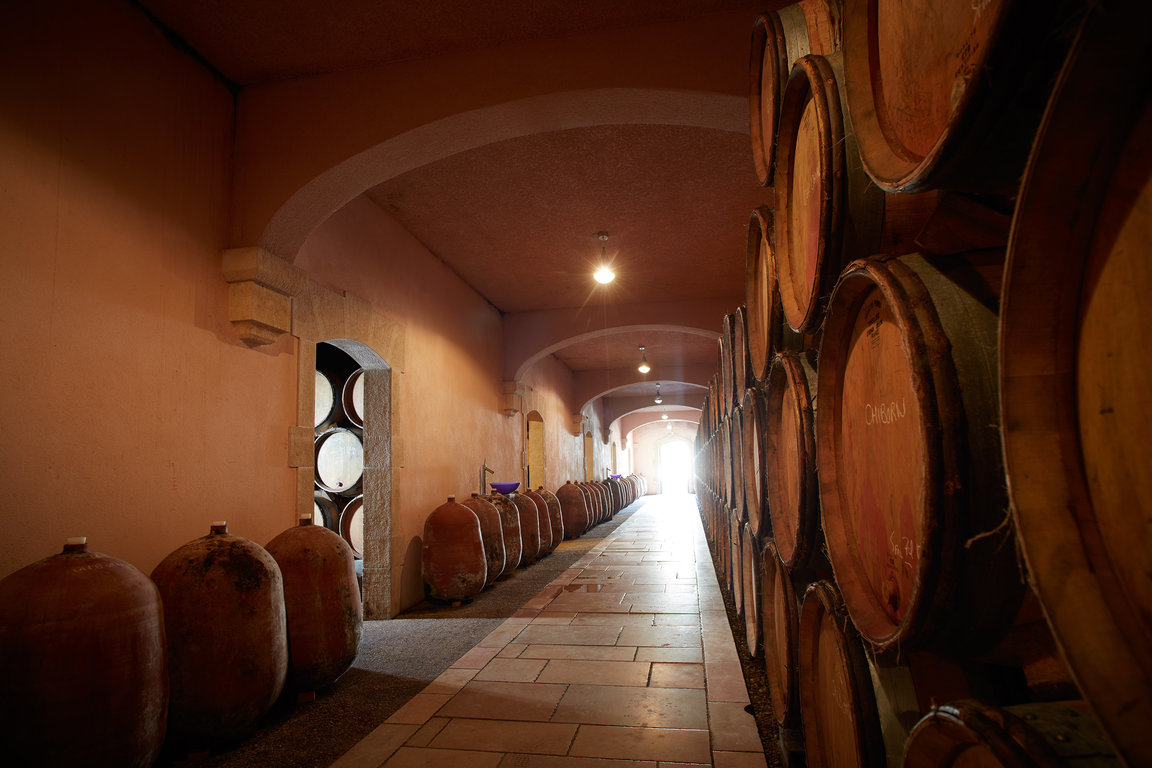
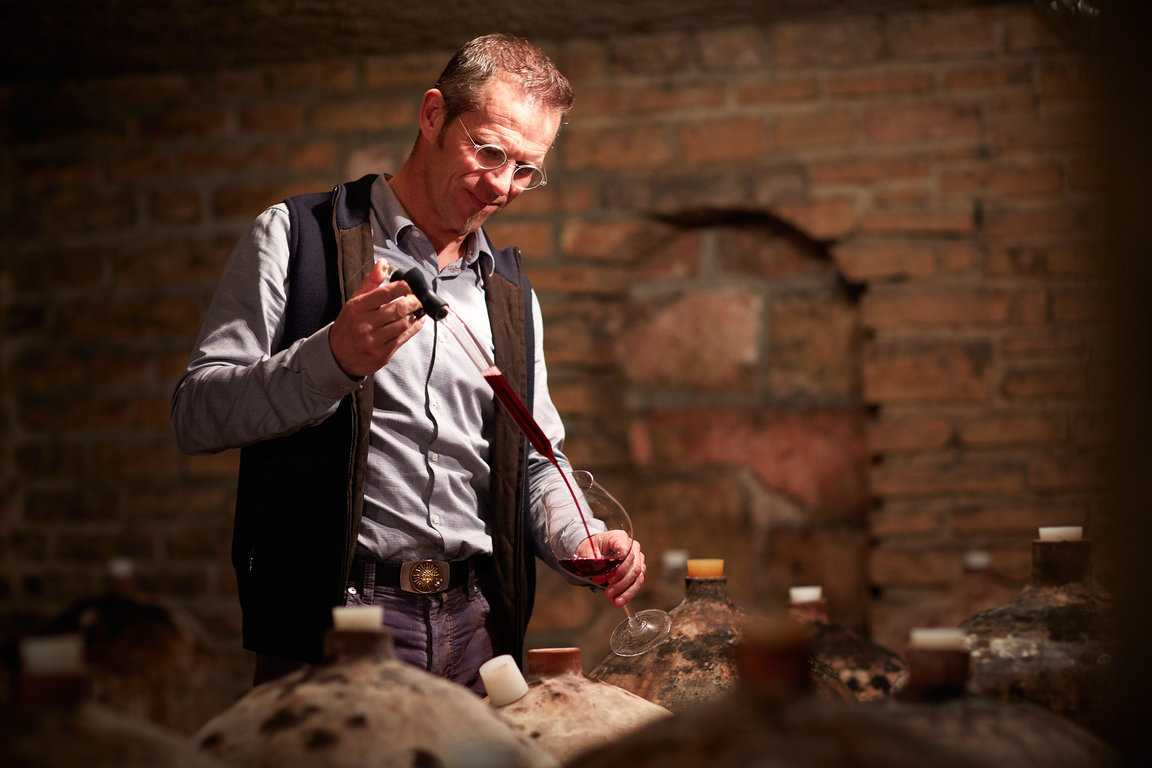
​Frédéric’s approach has evolved considerably over the years. He began experimenting with organic farming in the late 1990s, with the domaine becoming certified organic in 2012 and biodynamic with Demeter in 2015. In the cellar, he has progressively moved away from new oak, believing that too much wood can obscure the character of the vineyard. Since 2015, the wines have been matured in used oak and, increasingly, terracotta jars. Today, the cellar contains around 240 small amphorae, which have become an important part of his pursuit of purity and transparency.

Frédéric is something of a character in Burgundy, endlessly curious and unafraid to question convention. His wines share that sense of personality. As one long-time observer of the domaine put it, the appeal of a Michel Magnien wine ultimately comes down to Frédéric himself: an unusually expressive winemaker whose wines, particularly those made from the family vineyards, have an exceptional ability to communicate the character of their terroir.

​The result is a collection of Burgundies with real clarity and individuality. There is plenty of pedigree here, but what makes the wines compelling is Frédéric’s determination to let that pedigree speak for itself.​

In the Vineyard

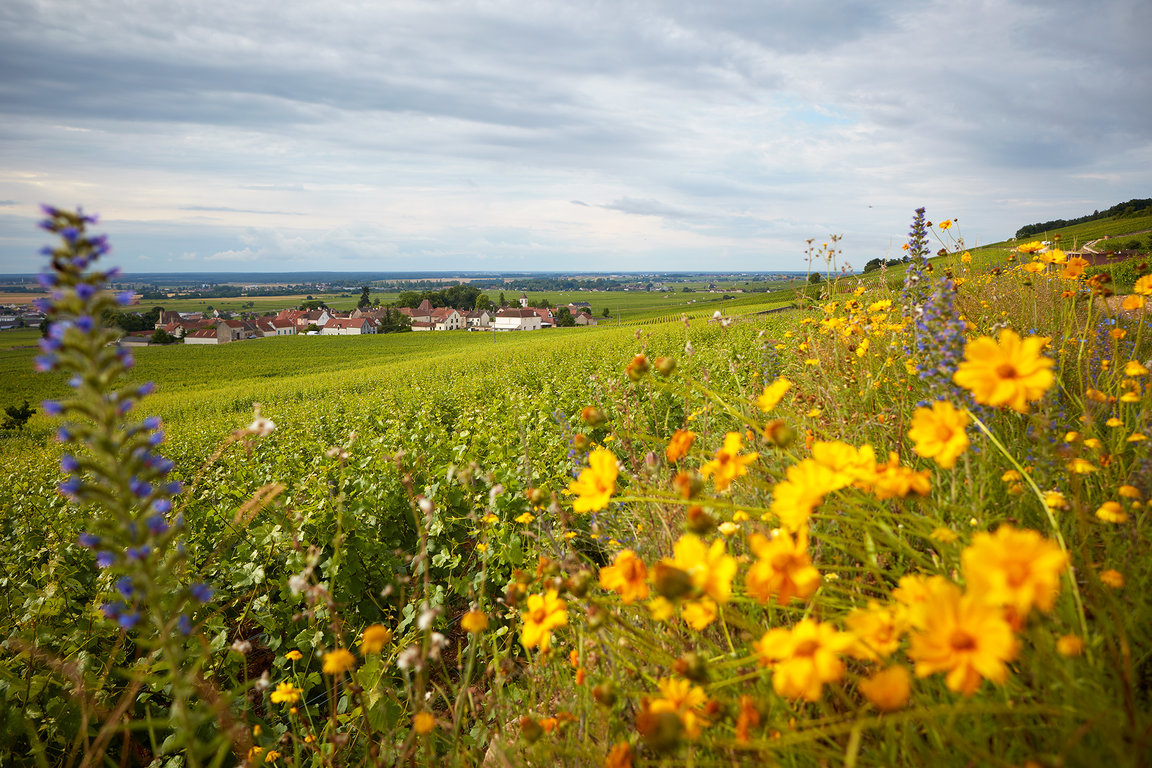
Michel and Frédéric have access to 19 hectares in the Côte de Nuits, spread across 14 Appellations d’Origine Contrôlée — including Grand Crus, Premier Crus, Village and Regional AOCs — giving rise to 32 distinct cuvées.

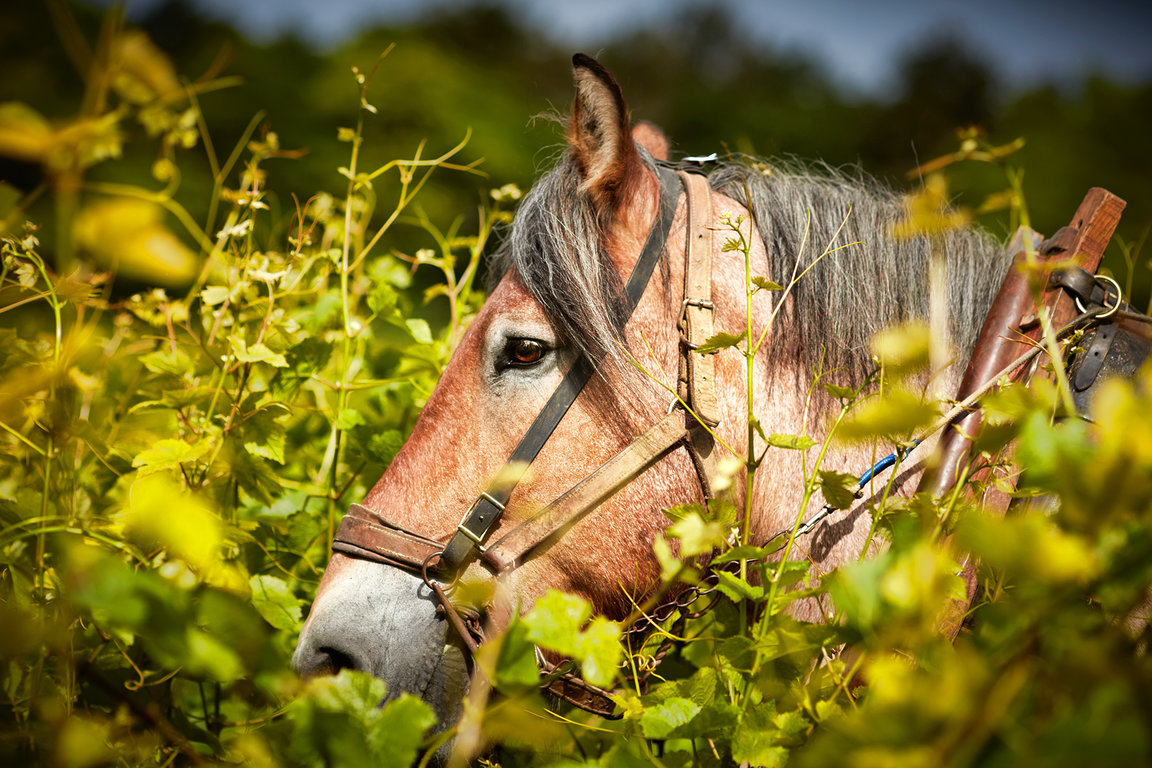
Biodynamic Viticulture is practiced throughout their vineyard holdings.

Biological and biodynamic viticulture is often – and erroneously – confused. They have in common to use no chemical input. However, if the biological viticulture maintains the life in a natural way in the ground; the biodynamic method stimulates it and revivifies soils. Beyond a natural work without pesticides or insecticides, the biodynamic culture is a global approach which works on the valuation of the ground and the vine in its natural environment.
The biodynamy strengthens the vitality and the resistance of plants, by improving the natural exchanges between the ground and the roots on one hand, and between the sky and the plant on the other hand. This method expresses itself by two characteristics: the use of specific preparations in the vine and the consideration of moon phases.

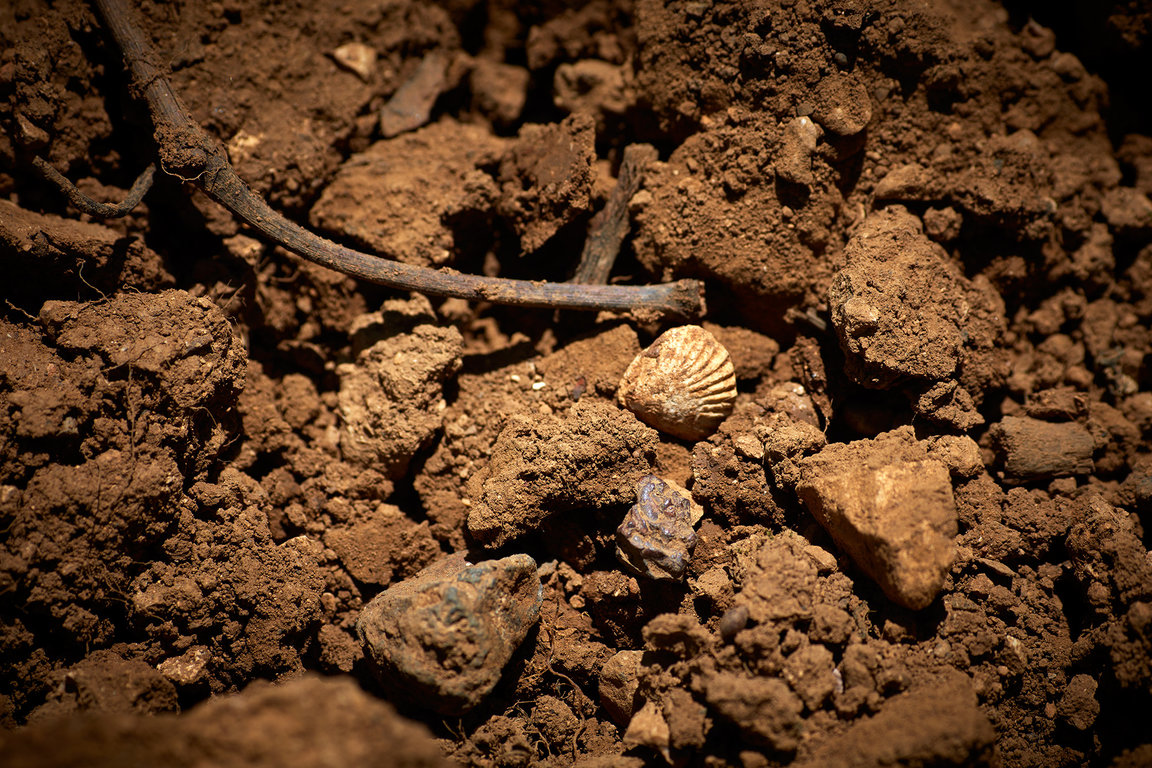
The biodynamic method aims at revitalizing and at intensifying the organic life in the environment where the vine lives. This process has the effect of giving more life to the grounds on which take root and increase vines to reveal the expression of the Burgundy soils in their just translation. The biodynamie so allows a better connection between the plant and the ground. This exchange offers quality grapes and as will be the wine.

The cosmic phase of the biodynamic viticulture allows the plant to strengthen and to energize itself thanks to the natural powers rather than to work it against its nature. The Moon, a strong influence on liquids in particular on sap of vines, brings rhythm each step of Frédéric Magnien’s in the diapason of its cycles.

The rare quality of Frédéric Magnien’s wines lives in the respect of the cosmic elements, the meticulous observation of plants and the listening of the soil. Each bottle translates with loyalty the purity of appellations, the passion of the vine, and the influence of the natural elements thanks to the biodynamic principles.

In the Winery

Ageing Wine in Ceramic

Quite naturally, Frederic was led to find a logical follow-up to this philosophy in his method of winemaking. Ceramic was chosen to partially age the wines starting with the exceptional 2015 vintage.

As an aromatically neutral vessel, ceramic allows Frédéric to craft a more digestible organic wine that honours the purity of the fruit and the truth of its terroir. Revealing wines that are crystalline and true to their origin, ceramic ageing complements traditional ageing in old oak barrels. Today, this balance between wood and ceramic helps refine the identity of his precious cuvées.

The 2020 Vintage at Michel Magnien & Frédéric Magnien

Frédéric Magnien described 2020 as one that “was relatively easy to manage as there was relatively little disease pressure though the extreme dryness of the season did cause some hydric stress, particularly for younger vines higher on the slope where there isn’t much soil depth. I started the harvest with a few pickers on the 27th of August for those parcels that were suffering from the heat and then attacked seriously on the 30th with my full team of harvesters. The fruit was exceptionally clean so, remarkably enough, we were able to finish by the 5th of September. The trick was to harvest parcel by parcel just when they were ripe as it was easy to be a day early or a day late. Yields though were low as the fruit lost a lot of water just due to evaporation. For example, the pinot bunches had a normal number of berries but there was not much juice in them so in total, the pinot harvest was down fully 50% and, unfortunately, even more in 2021. The skins were thick for the pinot but normal for the chardonnay. Potential alcohols were good but not overly so as nothing came in over 14%. While it varied considerably, on average I used 50% whole clusters and I even had my sorting teams destem some of the fruit by hand. I vinified softly because with the thick skins and high ripeness levels, the extractability was easy and happened almost by itself. As to the wines, they are very fresh, and I particularly like their transparency.” I’ve mentioned this before, but it bears repeating that Magnien has become arguably the leading specialist in Burgundy in the use of amphorae and jarres (the difference is essentially one of size) during the élevage. Others, such as Dujac, Pousse d’Or and Jean-Marie Fourrier, are experimenting with them as well though Magnien has made them an essential part of his approach. For example, many of these offerings were raised with significant proportions of amphorae that averaged around 50% with the rest in traditional casks. Magnien believes the amphorae better preserve the freshness and they obviously do not mark the wines with toast or vanilla characteristics. Note: there is often confusion relating to the difference between the wines of Domaine Michel Magnien and those of Frédéric Magnien. All the wines are made by Frédéric and thus the difference between the two names is only one of grape sources. The Domaine Michel Magnien wines are from vines owned directly by Michel (Frédéric’s father). All of the wines labeled as Frédéric Magnien (see directly above) are from purchased grapes (not from purchased must or wine, an important distinction)

Burghound

Where in the World is Michel Magnien & Frédéric Magnien?

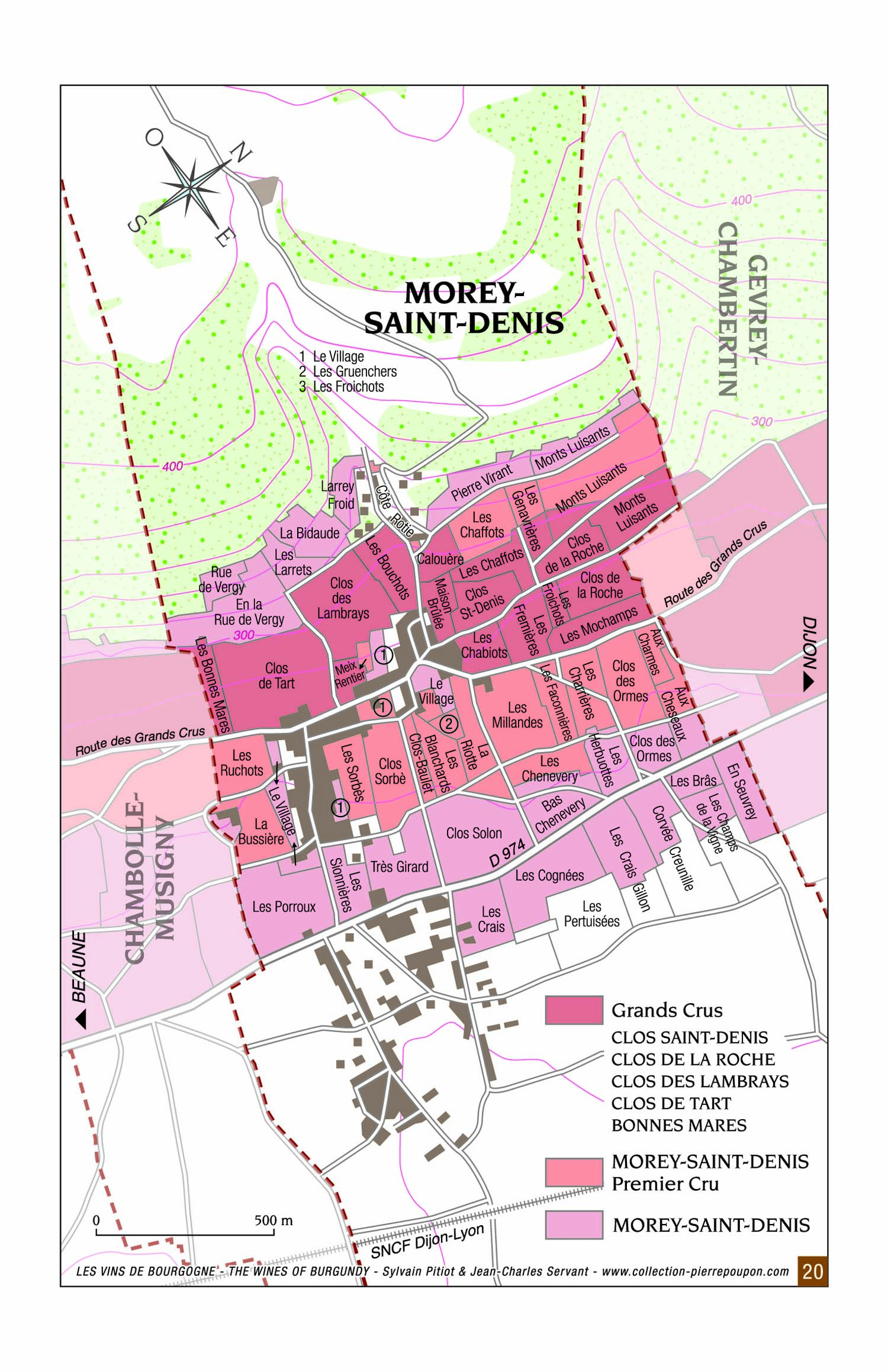
The domaine farms around 19 hectares across Morey-Saint-Denis, Gevrey-Chambertin, Chambolle-Musigny and Vosne-Romanée, with vines in renowned vineyards including Clos de la Roche, Clos Saint-Denis and Charmes-Chambertin. This wine comes from Morey-Saint-Denis, Côte de Nuits, Burgundy, France.

Click to enlarge 🔎

Where in the world does the magic happen?

4 Rue Ribordot, 21220 Morey-Saint-Denis, France

Vosne-Romanée
Côte-de-Nuits
Burgundy
France