Cadia Verduno Peleverga 2023

Product information

Cadia Verduno Peleverga 2023

Pelaverga Piccolo from Verduno, Barolo, Piedmont, Italy

$63

$60ea in any 6+
$57ea in any 12+
Alc: 14%
Closure: Cork

Description

I usually make the call that a sign of a good wine is finishing half the bottle without noticing and wanting to go back for more. In this case we finished the bottle and went back for a 2nd!

Paul Kaan, Wine Decoced


As usual with Cadia, this is a fairly light-colured but very pretty red Pelaverga Piccolo.

Chamomile, anise and white pepper dominate candied violet and sultry red cherry aromas and flavours. Vibrant and saline, this finishes long and lifted, with botanical herb and licorice accents adding interest on the back end.

No behemoth, but I often find Cadia’s Verduno Pelaverga boasts one of the most vibrant, penetrating, sultry perfumes of all. Drinking window: 2023-2029.

ID 93 Points

In stock
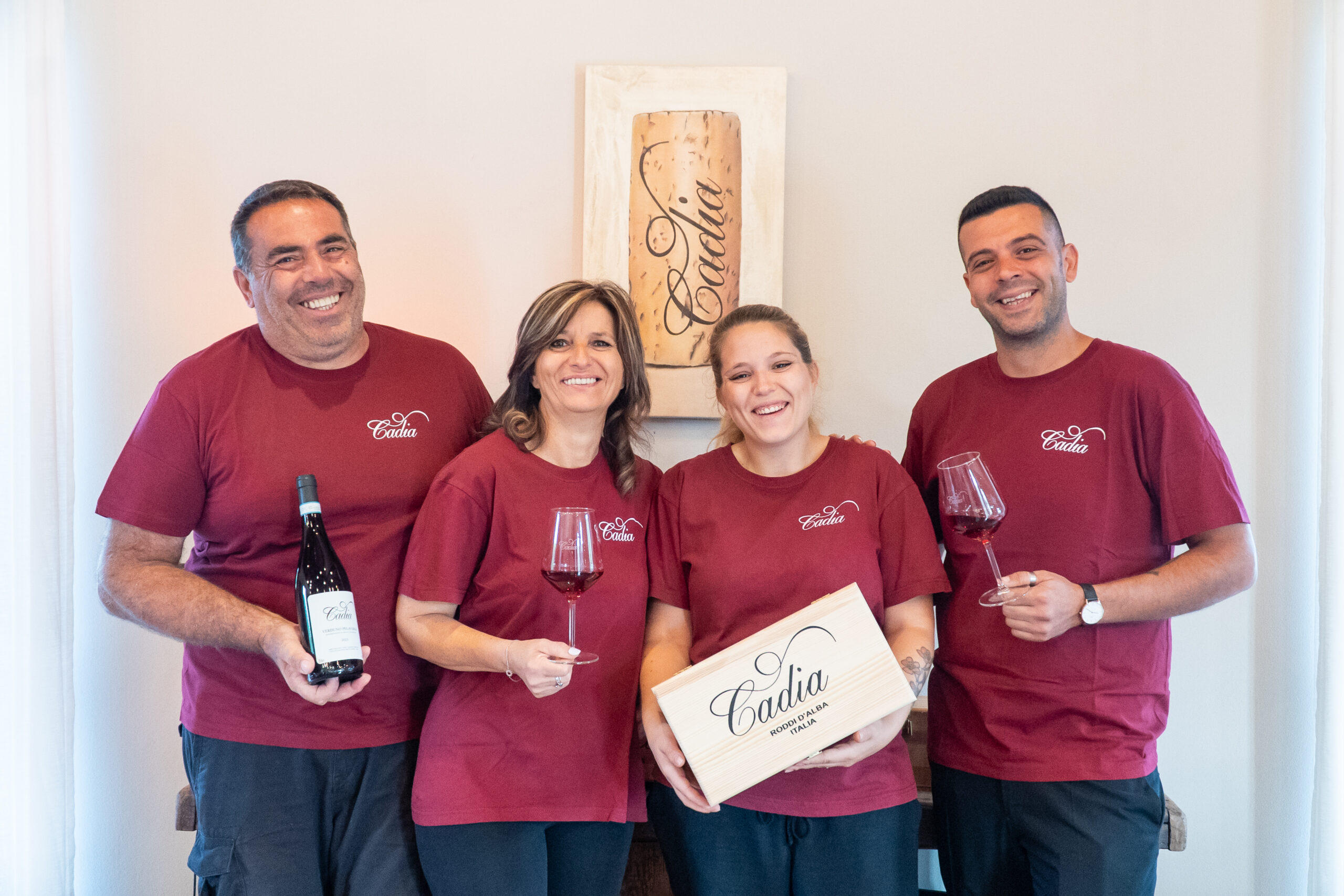
Check out all of the wines by Cadia

Why is this Wine so Yummy?

About Cadia

Cadia is a family-run winery founded in 1913, taking its name from the hill on the southeast ridge between Roddi and Verduno. It has garnered praise for its wines, particularly its Pelaverga di Verduno, a native red grape of Piedmont and one of the smallest DOCs in Italy.

In the Vineyard

In the Winery

Pelaverga Piccolo from vines aged between 15 to 50 years of age. Vinified in steel with a maceration of approx 2 weeks. Aged in steel

Where in the World is Cadia?

Cadia is based in Roddi with holdings in Verduno.

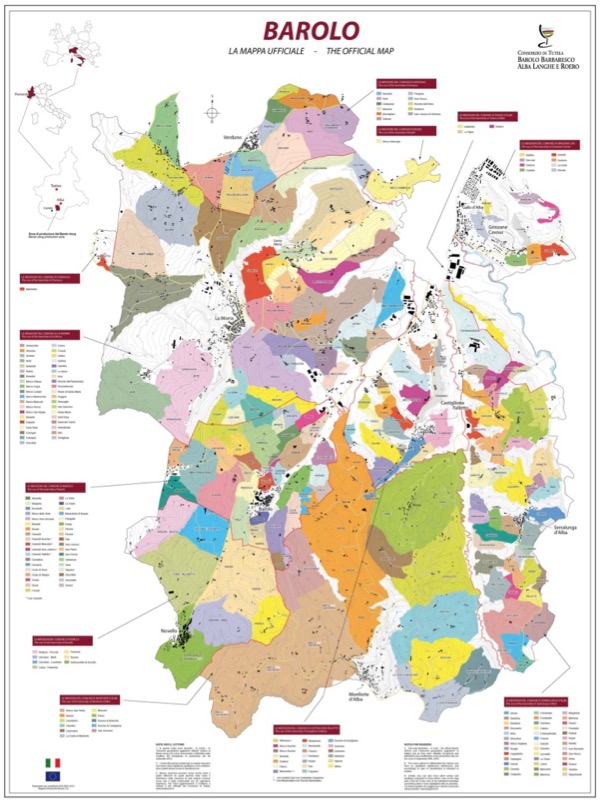
Verduno is located at the northern tip of the Barolo zone and is the closest village to the River Tanaro. It enjoys a special microclimate, influenced by air currents from the river. This, together with the soil composition and all the other elements of the terroir, clearly characterises the wines.

Verduno belongs to the Tortonian side of the Barolo zone and specifically to the La Morra unit. Starting from the Monvigliero sub-zone, this area extends southwards to the end of Monforte, skirting Barolo and including the La Morra sub-zones of Brunate and Cerequio. The soils consist of fossil S. Agata Marl and are of a calcareous-clayey nature, having emerged from the sea some 6-7 million years ago.

Click to Enlarge🔍

This 3D flyover is Epic covering each of the communes you can see just how varied and extreme the aspect of each vineyard is and how in the space of a few metres just how dramatically the change.

Soil formation in the Barolo production area by Pierre le Hong.


Where in the world does the magic happen?

Azienda Agricola Cadia

Barolo
Verduno
Piedmont
Italy