Size & Type
Other

$114
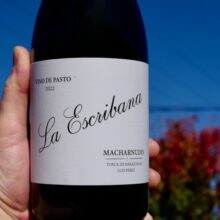
Willy Perez has turned out an absolutely ripping ‘Escribana‘ in 2024. Willy clearly has epic touch eliciting balance, complexity, texture and freshness to give us an entrancing wine. In reference to flavour I typical refer to a core of fruit for most grape varieties and wines. Drinking Vino de Pasto, I prefer to refer to a core of flavour. The 2024 ‘Escribana‘ certainly has flavour to burn. Saline & nutty with grain based flavours. Aging under flor on lees offers us a gentle oxidative handling building complexity. A fine sweep of divine bitterness matches the refreshing acidity. A delicious mouthful of wine, just as unique as Willy himself. If, as Gutiérrez remarks, this is ‘the flavour of Bodegas Luis Pérez’, I’m all in!
UPDATE: On day 2 the wine came together beautifully, taking on a seamless nature with great harmony and flow.
Paul Kaan, Wine Decoded June 2026
The 2024 La Escribana has to be the finest vintage to date for this unfortified white from Macharnudo from grapes picked at full maturity. It fermented at low temperature in stainless steel vats and matured with lees in used Sherry butts for 12 months. It has a very strong Macharnudo character, a full-throttle expression of esparto grass, brine and the soils and a seamless palate with marked salinity that makes you salivate. It comes in at 13.5% alcohol with 5.63 grams of acidity. For them, this represents the flavor of Bodegas Luis Pérez. 22,000 bottles produced. It was bottled in September 2025.
Luis Gutiérrez. The Wine Advocate 95+ Points
🔥Hot Tip: It’s great watching this evolve over a couple of days.
A Vino de Pasto from the laminated Albarizas Barajuelas of Pago Macharnudo.
In stock (can be backordered)
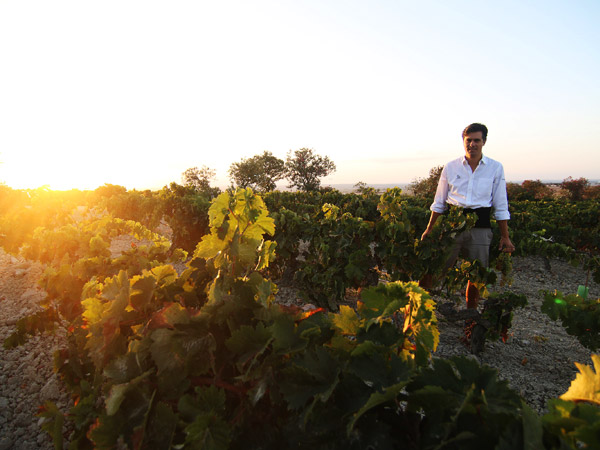
A Vino de Pasto from the laminated Albarizas Barajuelas of Pago Macharnudo. It’s aged in 80 year-old bota with 12 months under velo de flor. It’s 13.5% natural ABV (no soleo used). ‘La Escribana’ is a single parcela wine, facing south-east and at 100metres altitude (one of the highest in Marco de Jerez). There’s a green harvest, for all the normal reasons, but which also gives a reserve ‘green wine’ which Willy uses to correct acidity naturally, and add finesse. ‘La Escribana’ is ‘the writer’, perhaps a chalk board medium for the illiterate, a translator, documentor, faithful witness.
The wine is a new stop along the Palominos-Finos continuum. As we often find with Spanish, there’s a Japanese connection. It’s a wine of green bamboo washed by billy tea, of pistachio skin sake. It’s Japanese like barely beer with a rice lining.

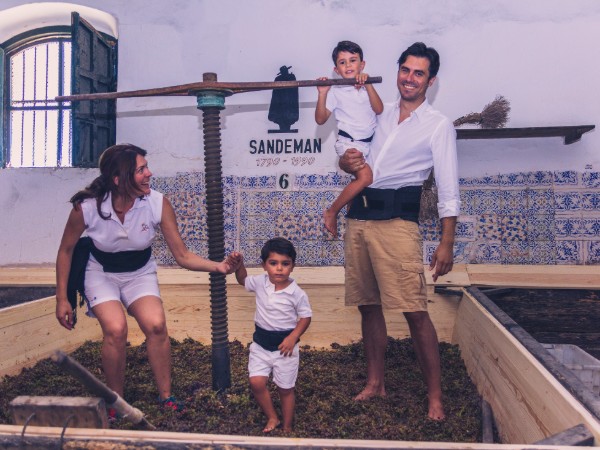
The Pérez family have been viticultores, estate workers and winemakers for several generations. In 2002 Willy Perez and his father Luis, a professor of oenology at the University of Cádiz and former winemaker at Domeq, set up their bodega just north west of Jerez.
Bodega Luis Pérez operates with a singular ambition in mind: that ‘Jerez must focus again on the vineyard.’ They are particularly interested in exploring the historic pagos or single estates that used to define and give character to Jerez wine. Together father and son have worked hard to delve deep and unpick the generic overlays which had become habitual since the crash of Sherry.

Willy Pérez also forms one half of the modern day Bodegas De La Riva, working alongside Ramiro Ibáñez to revive the renowned historic Jerez brand – Manuel Antonio de la Riva – which disappeared under Domecq in the 1980s. Much like the efforts at Bodegas Luis Pérez, this project is similarly driven by returning to the traditional methods of production and single-pago bottlings. Check out the Manuel Antonio de la Riva wines here.
Jerez is commonly seen as a region where terroir isn’t an important factor in defining the wines. This hasn’t always been the case; in the past the region was delineated into Pagos – blocks of vineyards that have similar characteristics – and naturally some vineyards were considered more noble than others and were bottled separately.
The albariza soil in the Jerez region isn’t homogenous, it has many sub-types for example their vineyards in pago Balbaína Alta are on Tosca Cerrada soil which fractures easily allowing the vine roots to spread out, and this pago’s proximity to the Atlantic gives a freshness to wines produced from there. Bodegas Luis Pérez work with the traditional varietals like Palomino Fino, Pedro Ximenez and Tintilla de Rota (genetically related to Graciano) in Balbaína, Añina, Macharnudo and Carrascal. They want the origin of their grapes show over biological and oxidative ageing techniques so they don’t fortify their Fino or Oloroso.
Willy Pérez: Past, Present, and Future of Sherry Wine | The Wine Bunker #13
Check out the video below in which wine writer, Jamie Goode, visits Willy and learns about the history, vineyards and winemaking of this unique region.
Grapes are sourced from Pago Carralscal between Almocadén and Macharnudo Alto, 20km away from the Atlantic ocean. Grapes have been grown on the site since 1414. Current plantings are 45 years old bush trained Palomino vines plus some Pedro Ximénez and Tintilla de Rota. Soils are the Barajuela type of albariza with layers of marl running through like a deck of cards, it’s able to absorb water to sustain the vines through the baking summers.
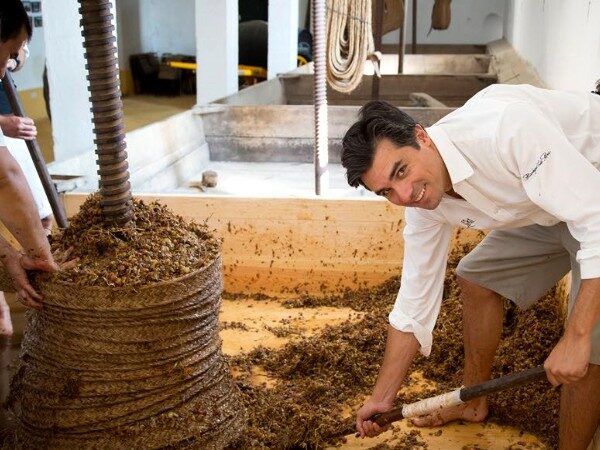
Grapes are handpicked and dried in the sun for 6-7 hours, a process called asoleo. Grapes are pressed in a basket press with the must output limited to 35%. The juice is transferred directly to American oak casks, without any racking where it ferments until December. The wines are racked off the lees in February and then classified (as Fino or Oloroso). Casks are filled almost to the top to limit the formation or flor yeast and emphasising primary aromas. Caberrubia NV is a blend of La Barajuela finos – this was called “Selección de Añadas” in the 19th century.

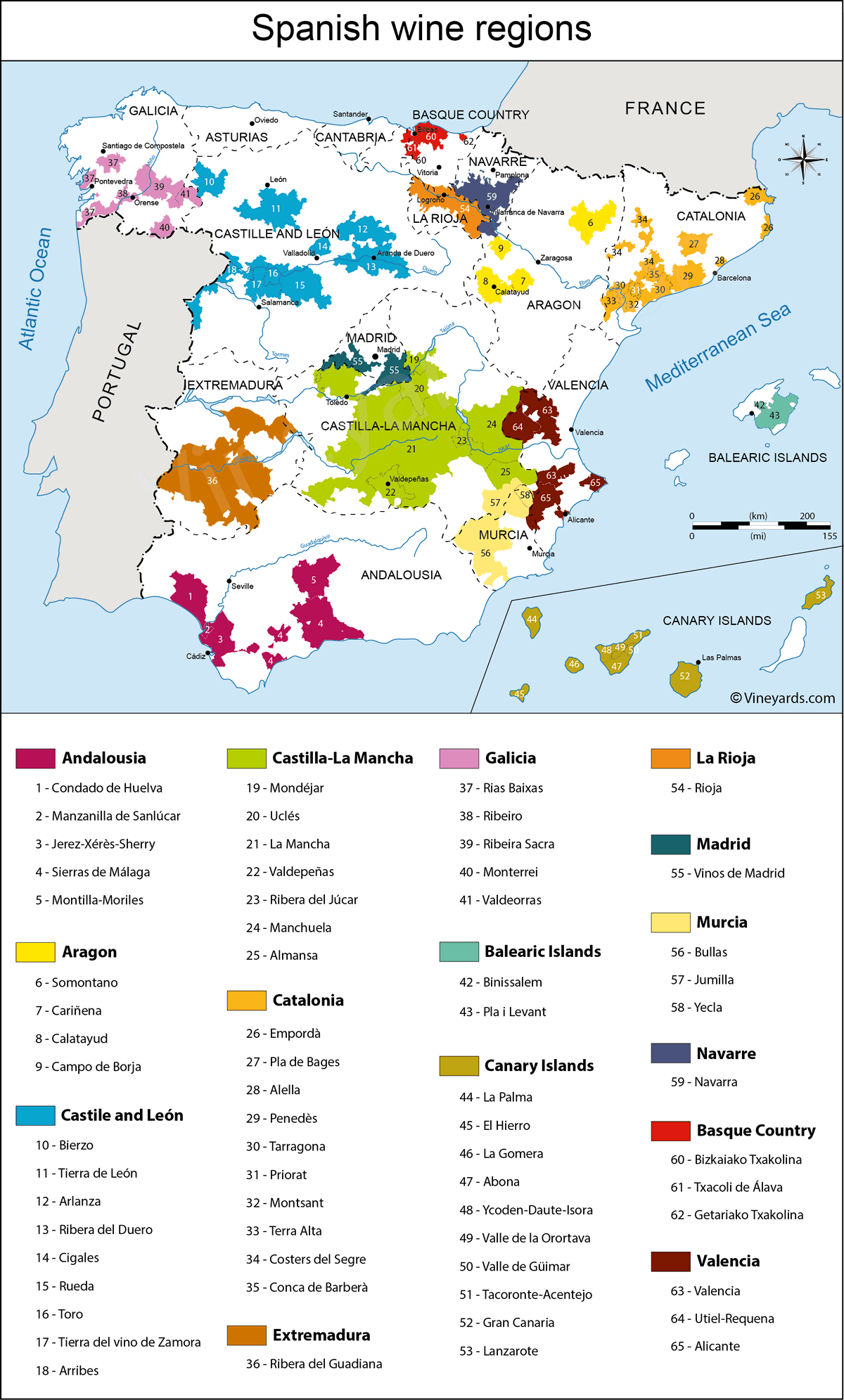
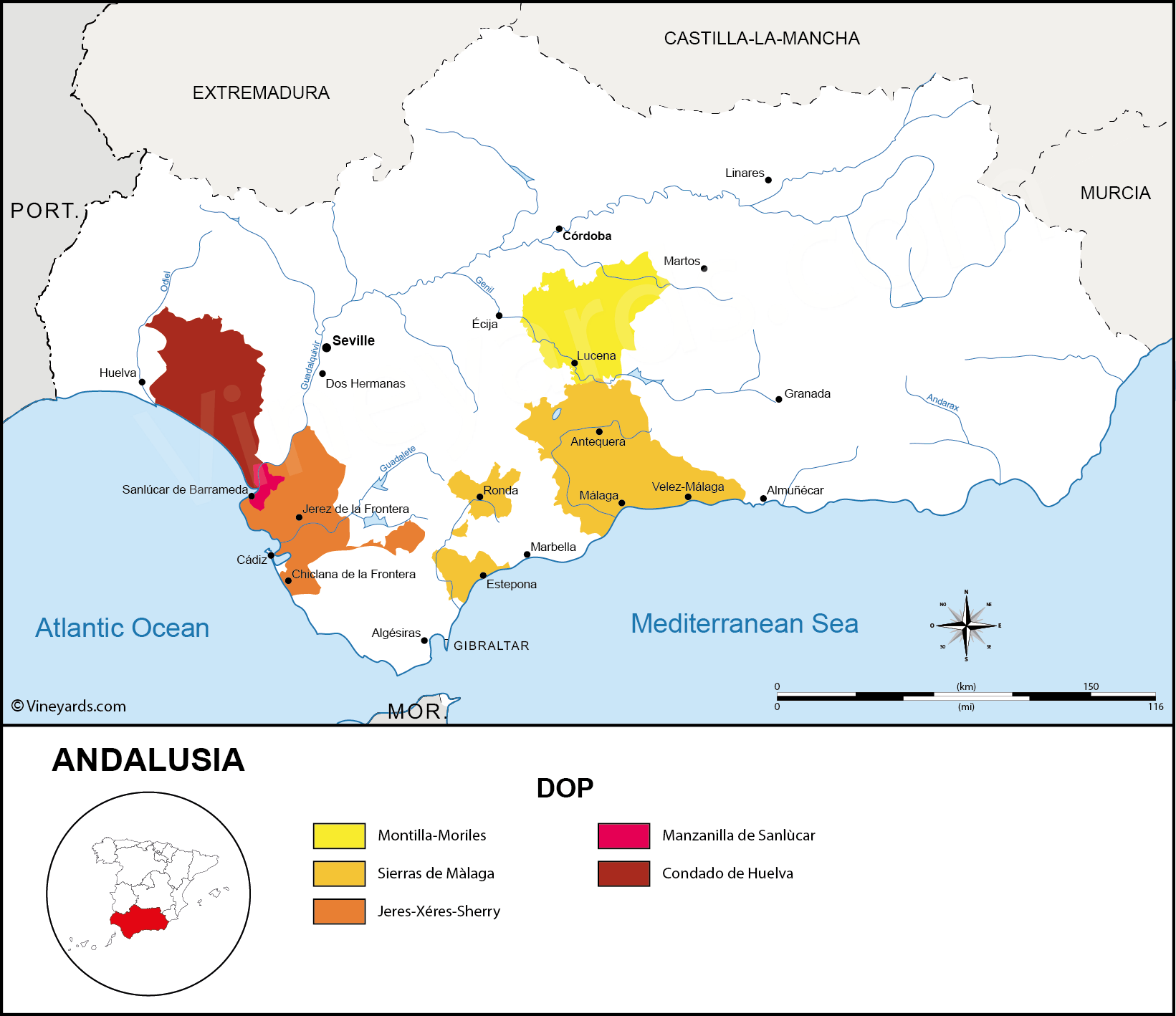
Bodegas Luis Pérez is located in Andalucia, in the Jerez-Xérès-Sherry region.


The 2024 La Escribana has to be the finest vintage to date for this unfortified white from Macharnudo from grapes picked at full maturity. It fermented at low temperature in stainless steel vats and matured with lees in used Sherry butts for 12 months. It has a very strong Macharnudo character, a full-throttle expression of esparto grass, brine and the soils and a seamless palate with marked salinity that makes you salivate. It comes in at 13.5% alcohol with 5.63 grams of acidity. For them, this represents the flavor of Bodegas Luis Pérez. 22,000 bottles produced. It was bottled in September 2025.
Where in the world does the magic happen?
Bodegas Luis Pérez, Hacienda Vista Hermosa, Calle Hermandad del Rocío de Jerez, Jerez de la Frontera, Spain
You must be logged in to post a comment.