Size & Type
Other

White Wine
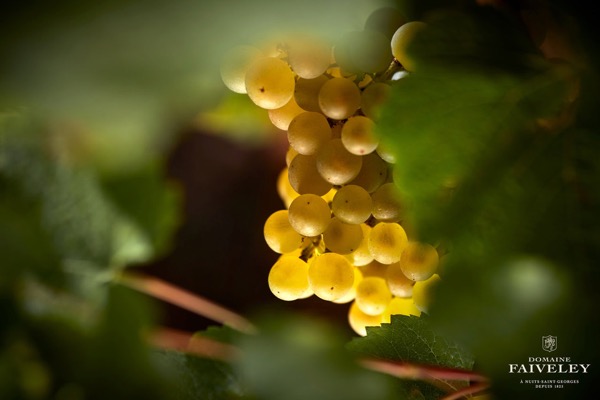
The variety takes its name from the village of Chardonnay near Uchizy in the Mâconnais, in southern Burgundy. A region gaining in reputation for the production of delicious Chardonnay. Thought to have originated from Sâone-et-Loire between Lyon and Dijon.
Burgundy is the mythical home of Chardonnay. From there it spreads far and wide across the world. One of the three main varieties of Champagne production, we also see massive plantings in Australia and North America. You’ll find it somewhere in pretty much every wine growing country.
In Australia 340,000 tonnes of Chardonnay grapes are harvested each year over four times more than the No.2 white grape in Australia, Sauvignon Blanc!
There are a vast array of flavours, aromas, and, textures that Chardonnay can offer from the fruit alone, add in use of solid, fermentation vessels like oak, eggs, and tanks, and, malolactic fermentation, the sky is the limit.
Chardonnay has incredible versatility and can be picked over quite a wide range of sugar levels and flavour ripeness. The same vineyard can be picked with enough sugar to make a wine of 10-11% alcohol for sparkling production and then 14% for table wine with anything in between possible. Picked earlier it tends to have more citrus and green apple characters. Picked ripper the natural acidity drops and the flavours progress through stone fruit, to pineapple, fig and melon.
The hand of the winemaker has been particularly evident in Australia over the last 20 years. Starting with big, broad, alcoholic full malo styles in the 1980’s and 1990’s, the pendulum swung to the lean, acid driven styles in Australia in the mid-00’s, with some down right mean wines produced in the cooler climates like the Yarra Valley, Adelaide Hills, Mornington, and, Tasmania. Currently, styles have found balance with generosity and elegance. Australian Chardonnay is the best it has ever been. Restrained oak use is thankfully the norm, and, globally we are seeing greater use of larger oak barrels, reducing the influence of any new oak.
Use of wild fermentation, malolactic fermentation and grape solids in ferments can add an array of secondary aromas and flavours, nuttiness, creaminess, bakery notes, butteriness, funk.
Some makers have played heavily with reduction in Chardonnay often resulting in flinty, burnt match characters.
In Burgundy, climate change, just as in Australia (along with mature vineyards) has seen picking times bought forward with sugar levels maintaining. The degree of chaptalisation in Burgundy is reducing and is often not required at all.
Check out all the articles in the Wine Bites Mag exploring Chardonnay.
Showing of wines
Chardonnay from Pouilly-Fuisse, Mâcon
“The slightly denser aromas transmit a vague hint of the exotic in the form of melon and pineapple hints on the mostly white fleshed fruit aromas. There is excellent intensity and precision to the solidly concentrated middle weight flavors that exude a refreshing salinity on the equally dry and sneaky long and overtly bitter lemon-inflected finish. This too offers very good quality for its level.”Allen Meadows, Burghound 88 Points“The 2020 Mâcon-Prissé En Chailloux unfurls i
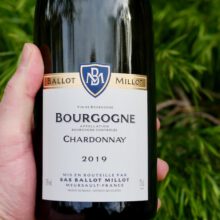
Producer and site … that is all!When your Bourgogne is made from vineyards in Meursault and Puligny it really does make a difference. Ballot-Millot has given us a beautifully balanced wine, with a wonderful texture. An excellent Bourgogne with great fresh flavours & a little funk. Drinking beautifully now and good for a few more years.Update Sept 2024: Drinking beautiful, in a great place. The above note still holds true with an added sense of seamless harmony."Ripe and ni
Chardonnay from Chablis, Burgundy
Showing exactly how important vine age is! A step up, an extra zip of salty acid and that mid palate weight with excellent length. Florals, white stone fruit a little citrus pith and plenty of fun. That slight primary edge that disappeared as it opened revealing excellent depth and length with restraint. A little more complexity. Mid palate texture is excellent. Hazelnuts and an extra layer of pleasure here. Excellent.
Chardonnay from Chablis, Burgundy
Sourced from a mosaic of exposures and elevations and incorporating old vines planted between 1969 and 1972, the 2023 Chablis Village offers aromas of pear, white flowers and freshly baked bread. Medium- to full-bodied, ample and charming, it is underpinned by ripe yet racy acidity and concludes with a long, saline finish. Harvested earlier to preserve freshness, this is a well-executed village-level Chablis. Drink: 2026 – 2038Kristaps Karklins, The Wine Advocate 90 Points
Chardonnay from Chablis, Burgundy
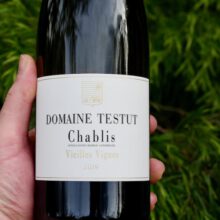
The pedigree of this fruit at the Chablis level is pretty bloody good! It's from a 50 year old parcel adjacent to the Grand Cru, Blanchot!Bloody tasty Village. Beautifully weighted and developed. Often at this level Chablis can be thin and raw. Testut here, as with all his wines shows a deft touch in raise the wine and building generosity. A wine that can be hoovered now, it’ll drink well over the next few years. Great flow across your palate, fine, sophisticated, perfect everyday drinking
White Blend from Macedon, Victoria
“So the wine is two thirds a marsanne and roussanne blend and the rest a considered portion of chardonnay. Fancy oak, as is often the way of POCW, is also applied. I loved this from hello. Texture, weight, a slice of fresh cut, just ripe stone fruit acidity, a fuzz to the overall feel with some dollops of nougat amongst it all. Fragrant, full flavoured yet refreshing, a saline trill that speaks of minerality. It’s a cuddly wine with enough zestiness to refresh with each sip. Delicious drinki
Chardonnay from Picadilly Valley, Adelaide Hills
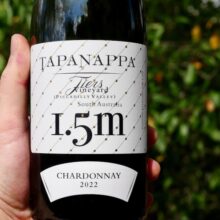
The build in intensity of this very complete wine is clear. Yes the acid is there, it has the depth and length to hold it. The mid-palate weight is exceptional and oak use (⅓ new) refined, layered and harmonious.Perfumed with white flowers, a little baking spice crème pat. Super citrus, white grapefruit and stunning intense lime.Tasting the 3 side by side as a great way to explore depth, length and shape of fruit.The separator from so many Chardonnays on the market is the texture,
Chardonnay from Rully, Côte Chalonnaise
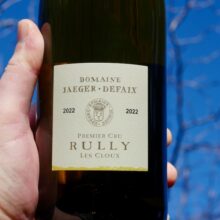
18 months élévage shows in a complete lovely fine expressive, complex Chardonnay. The shift from tasting the Chablis of Bernard Defaix to Côte du Chalonaise wines of Jaeger-Defaix sees an immediate feel of opulence. No bâtonage old oak 100% malo. Again calm and harmonious. Les Cloux remains the tighter and more linear of the Domaine's two Premier Cru whites. Clearly rounder across the palate than the Chablis whilst maintaining clarity and complexity.Here the wood treatment is more su
Chardonnay from Rully, Côte Chalonnaise
Rounder, fuller and richer than the Les Cloux a bolder interpretation of Rully. Soft plush and generous, yet still not heavy. A little broader across the back palate though tightening as it finishes. A great set of flavours. A comforting Chardonnay that envelops you. As seems typical of the two Domaines of the family there is a good deal of complexity.A subtle but not imperceptible application of wood sets off the cool and airy blend of white orchard fruit, citrus confit and a hint of cr
Chardonnay from Chablis, Burgundy
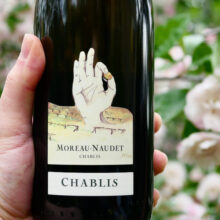
Not all Petit Chablis is created equal! Moreau’s Petit Chablis comes from a single 2.5-hectare site between Courgis and Beine, just outside Chablis on the route to Auxerre. It has a southwest orientation and lies on Kimmeridgian soils (as opposed to the higher Portlandian soils on which most Petit is grown). Half of the plot is home to 25- to 30-year-old vines, while the other half is somewhat older at 45 to 50.The wine ferments spontaneously in large vats of 32 to 100 hectolitres. This re
Chardonnay from Chablis, Burgundy
Not all Petit Chablis is created equal! Moreau’s Petit Chablis comes from a single 2.5-hectare site between Courgis and Beine, just outside Chablis on the route to Auxerre. It has a southwest orientation and lies on Kimmeridgian soils (as opposed to the higher Portlandian soils on which most Petit is grown). Half of the plot is home to 25- to 30-year-old vines, while the other half is somewhat older at 45 to 50.The wine ferments spontaneously in large vats of 32 to 100 hectolitres. This re
No wines match your filters
Try removing a filter or broadening your selection.
We couldn't load the wines just now.
You've seen all wines
wines