Domaine Henri Germain Meursault 'Limozin' 2023

Product information

Domaine Henri Germain Meursault ‘Limozin’ 2023

Chardonnay from Meursault, France, Côte du Beaune, Burgundy

$283

$273ea in any 3+
$263ea in any 6+
Closure: Cork

Description

From lower down the slope, the 2023 Meursault Le Limozin is more exotic, bursting with aromas of honeyed orchard fruit, orange oil and musky peach, followed by a medium to full-bodied, satiny and layered palate that’s pure and enveloping, concluding with a saline finish.

William Kelly, The Wine Advocate 90-92 Points


Naturally exotic aromas are comprised by notes of jasmine tea, acacia and freshly sliced pear. There is more volume, if less minerality, to the generously proportioned and beautifully textured medium weight flavors that display excellent depth and persistence on the balanced finale. This is a lovely Meursault villages this is worth your consideration. ♥ Outstanding Top value

Allen Meadows, Burghound 90-92 Points

In stock
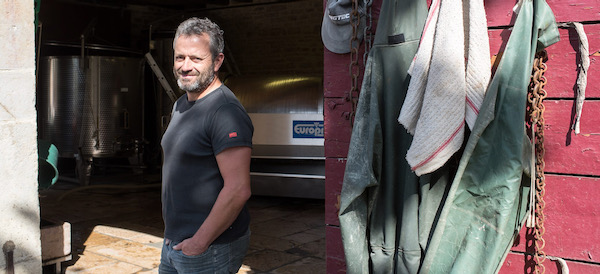
Check out all of the wines by Domaine Henri Germain

Why is this Wine so Yummy?

Wanna do a little deep dive into Meursault? Check out the article “Getting Your Head Around Burgundy Part 5 – The White Village of Meursault” in the Wine Bites Mag.

Limozin is another beautifully positioned lieu-dit, tucked under the Premiers Crus and bordering Les Charmes, Les Genevrières and Les Poruzots. It typically produces a particularly intense, mineral, long-lived Meursault, one of the finest examples of villages Meursault we know. The ancient vines, planted in 1937, bring extra concentration and power.

“I have been saying it for years but I will say it again: if you don’t know these wines, you should because the quality is just too good to ignore.”

Allen Meadows, Burghound

About Domaine Henri Germain

Last year, I argued that Domaine Henri Germain might well be Meursault’s best-kept secret, and this year, despite signs that the world is taking notice, I repeat that claim. This is a superb source for classically balanced, artisanal white Burgundy that’s built to age, and the softly spoken Jean-François Germain is justly one of the village’s most well-respected vignerons. The 2018 vintage has turned out very well at this address, and Germain describes it as “quite classic, with average acidities and no extremes of alcohol.” The wines are harmonious and charming, and they will be unusually approachable by Germain’s standards—no bad thing for readers new to this domaine who wish to acquaint themselves with its unimpeachably classical wines. I have reserved some 2018s for my own cellar, and I encourage readers who appreciate authentic Meursault to do the same. The wines reviewed here from barrel, which I tasted in November 2019, will be bottled in March-April 2020.

“Domaine Henri Germain might well be Meursault’s best-kept secret. This is a superb source for classically balanced, artisanal white Burgundy that’s built to age, and the softly-spoken Jean-François Germain is justly one of the village’s most well-respected vignerons.”

William Kelley, The Wine Advocate

Since Germain remains comparatively under the radar, it’s worth reiterating that viticulture here is organic and vinification decidedly traditional, the wines spending two winters in barrel on the lees, if possible without racking and almost invariably without bâtonnage. In the domaine’s cold cellars, alcoholic and malolactic fermentations are protracted, but Germain is content to take his time. The resulting wines are concentrated but incisive, with fleshy fruit but firm structural bones that demand time in the cellar. In the last decade, the style has become a little less austere and reductive, but the domaine remains old-fashioned in the best sense. Considering the quality to be found here, this seven-hectare estate deserves far greater celebrity, and though I suspect Germain isn’t especially interested in seeking out acclaim, it’s sure to arrive sooner rather than later.

If you have a little French, Jean-François explores the history of the Domaine in the flick below.

In the Vineyard

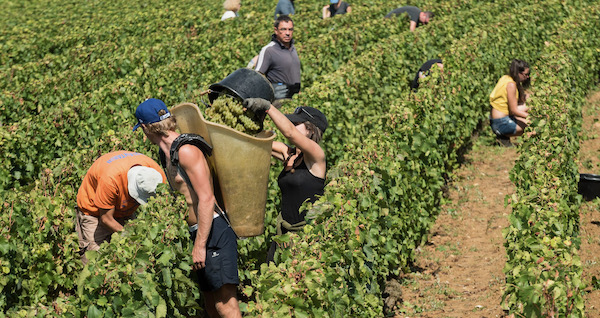
The Germain methods are very traditional with organic farming and low yields, we don’t have much info, but, given what’s in the glass he must be looking after the vineyard well.

In the Winery

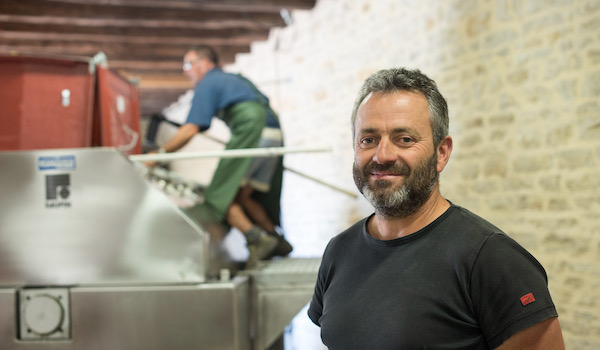
It’s hard to find much about the Domaine’s winemaking practices. At the end of the day it’s what’s in the glass that matters.

However, there are a couple of insights I can glean from the info available. First, it’s clear from the potential alcohols, ranged from 12.5% to 13.5% in white and averaged 13% in red in the warmer 2018 vintage, that Jean-François’ vineyards yield flavour ripe fruit at this level, and he is picking to retain freshness and natural acidity. We should see reflected beautifully in the glass. Jean-François specifically spoke to the low pH and high natural acidity in his wines; there’s loads of science behind this, you can read about some of it in the Wine Bites Magazine article: Q&A with Paul: “Do winemakers need to add tartaric acid to keep it fresh and age-worthy?”

Second, Jean-François spoke of the long slow ferments at the domain, noting that many were still going 10 months into élévage. In a commercial winery a white wine fermented using cultured yeast instead of wild yeast will finish its ferment in a few weeks. Typically new world winemakers often get stressed out of their minds if ferments take much longer than this. However, over time with greater use of wild yeast in the new world, we’ve grown more comfort with longer slower ferments.

Alex Moreau of Domaine Bernard Moreau et Fils, Chassagne-Montrachet, Burgundy joined me at Yering Station for the 1999 vintage. I can tell you one thing, diversity definitely leads to inspiration and creativity, particularly when you throw a young, motivated, thought leader with real world experience like Alex into the mix. What do you do with such an asset? Easy, you unleash them on some decent fruit, sit back and watch. When you’ve got 1400T of fruit to play with, what have you got to lose! Alex did a mini-experiment dragging out the ferments of 4 barrels of Chardonnay over just a couple of months. The end result? A build in mid-palate depth, a trait that differentiates good Chardonnay from great Chardonnay, presenting a more complete and even mouthfeel.

When I see long slow ferment from a European maker, thinking of this time and the impact on the wine takes me to a happy place.

The 2023 Vintage at Domaine Henri Germain

Domaine Henri Germain, where patriarch Jean-François Germain has now been joined by his dynamic daughter, Lucie, put in another strong performance in 2023, producing wines of texture and charm. Readers will remember that viticulture here is organic (though uncertified), and vinification is decidedly traditional, with the wines spending two winters in barrel on the lees, without racking, if possible, and almost invariably without bâtonnage. In the domaine’s cold cellars, alcoholic and malolactic fermentations are protracted, but Germain is content to let the wines take their time. Percentages of new oak are low and derive mostly from Tonnelleries Damy and Trémeaux. The resulting wines are rich but lively, with fleshy fruit but firm structural bones that demand time in the cellar. In the last decade, the style has become a little less austere and reductive, probably as much a reflection of climate as of technique, but the domaine remains old-fashioned in the best sense.

William Kelley, The Wine Advocate

Jean-François Germain called the 2022 growing season “fairly straightforward with the exception of the July hailstorm that hit us in Meursault. But happily the fruit set was so large that the hail didn’t have its usual devastating effect. While hard to ever know for sure, the vines still went into a sort of dormancy immediately afterward and thus maturities really didn’t budge for perhaps 10 days or so. Thankfully we had a heat wave in the second half of August that enabled the vines to bring the fruit to fully maturity. We picked from the 4th of September and the chardonnay was really quite clean as the hail-damaged berries had sufficient time to dry out and fall off prior to the harvest. Yields were still excellent at between 50 to 55 hl/ha with potential alcohols that ranged from 13.5 to 14%. The fermentations presented no problems and we are really quite pleased with the way the élevage is progressing. As to the wines, I frankly expected very ripe wines in the style of say 2018 but that’s not at all how the ’23s are showing at present. I’m honestly not sure what other vintage they might stylistically resemble but they do have both fine vibrancy and terroir transparency, so I would call them promising for now.” I have long been an enthusiastic fan of the domaine, not only in terms of the intrinsic quality of the wines but also how pure they are, and 2023 is a clear success.

Allen Meadows, Burghound

Where in the World is Domaine Henri Germain?

Germain is based in Meursault with fruit coming from Chassagne-Montrachet and Beaune.

Click to view detailed map of Meursault
90-92 Points

From lower down the slope, the 2023 Meursault Le Limozin is more exotic, bursting with aromas of honeyed orchard fruit, orange oil and musky peach, followed by a medium to full-bodied, satiny and layered palate that's pure and enveloping, concluding with a saline finish.

William Kelley, The Wine Advocate

90-92 Points

Naturally exotic aromas are comprised by notes of jasmine tea, acacia and freshly sliced pear. There is more volume, if less minerality, to the generously proportioned and beautifully textured medium weight flavors that display excellent depth and persistence on the balanced finale. This is a lovely Meursault villages this is worth your consideration. ♥ Outstanding Top value

Allen Meadows, Burghound

Where in the world does the magic happen?

Germain Henri et Fils Domaine, Rue du Moulin Judas, Meursault, France

Meursault
Côte du Beaune
Burgundy
France