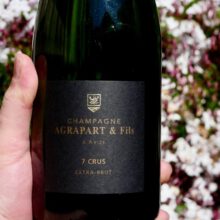
Agrapart 7 Crus Brut (Base 2019/18)

Product information

Agrapart 7 Crus Brut (Base 2019/18)

Chardonnay from Cramant, Côte des Blancs, Champagne, France

$163

$156ea in any 3+
$149ea in any 6+
Closure: Cork

Description

7 Crus is a blend of two different harvests: in this case 60% is 2019 from 1er Cru sites; and 40% is 2018 from Grand Cru sites (the reserve wine was raised in neutral, 600-litre oak cask). The breakdown is 90% Chardonnay and 10% Pinot Noir. Even at this first level, the wine is aged for three years on lees. It was disgorged with five grams per litre dosage. This is the most immediately seductive cuvée in the Agrapart range, yet it is still extremely fine. It’s deep and saline with some gentle grip.


“Based on the 2019 vintage and disgorged in April 2022, Agrapart’s NV Brut 7 Crus wafts from the glass with scents of crisp green apple, freshly baked bread, white flowers and buttery pastry. Medium to full-bodied, fleshy and enveloping, it’s an ample, incisive wine, with racy acids and a saline finish. When the range begins like this, you know you’re in the presence of one of Champagne’s greatest producers.”

William Kelley, The Wine Advocate 93 points

Out of stock
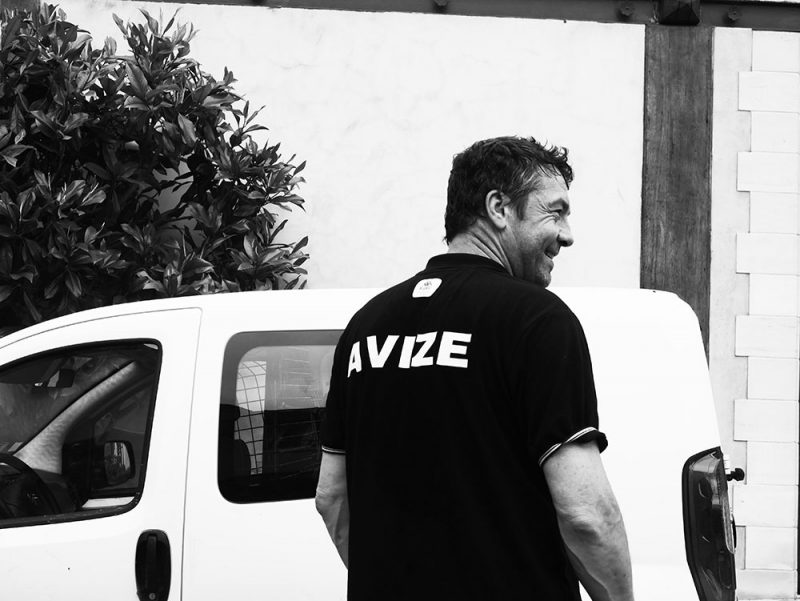
Check out all of the wines by Agrapart

Why is this Wine so Yummy?

Disgorged June 2022. The Agrapart range begins with a non-vintage wine called 7 Crus. The name refers to the seven Côte des Blancs villages from which the wine derives. These include Avize (from younger vines aged 20 to 40 years), Cramant, Oger, Oiry, Avenay-Val-d’Or, Coligny and Vauciennes. Like all Agrapart wines, the fruit is from 100% estate-owned and farmed vineyards.

About Agrapart

Pascal Agrapart is a grower at the top of his game. In France, he is now routinely compared to his neighbour Anselme Selosse, even though the style of wine produced by these two men is markedly different. If you were looking for a Burgundian analogy, you could think of Selosse as Lafon to Agrapart’s Coche. Both in the same village, both exceptional quality, yet both growing wines that are very different. In short, Agrapart picks earlier, uses larger, older wood and bottles earlier, resulting in wines that are less influenced by oxygen. Stylistic differences aside, the quality is on a very similar level which is why La Revue du vin de France is now giving both growers the same three star rating (their highest classification, handed out to only seven Champagne producers in total). Avize has always been a special village, and today, thanks to Agrapart and Selosse, it is at the heart of the great grower movement in Champagne.

•    Vineyards are ploughed (some by horsepower), no chemical pesticides, fertilizers or herbicides are ever used and the fruit is, of course, harvested manually.
•    Production is tiny, with no more than 6000 cases produced in any given year, and vine age is among the oldest in the Côte des Blancs (between 35 and 60+ years old with around 70% of the vines at 40+ years. Yields are kept very low.
•    The average potential alcohol at harvest is very high for the region, normally around 11 degrees, and Agrapart almost never has to chaptalise.
•    The grapes are pressed with a traditional Coquard vertical press, and fermentation is carried out with natural yeasts, which Agrapart feels is crucial to the expression of terroir. Malolactic fermentation is completed for all the wines, and aging is for the most part in old, 600-litre demi-muids.
•    Dosage, which is done with a traditional liqueur d’expédition of cane sugar, varies from wine to wine, although it is usually around 3/4 g/L. Cuvée Venus is non-dosé.

Grower Champagne

I don’t know who coined the term “Grower Champagne”, when you see it, make sure you take a second look before you move on. Champagne producers are split into three groups:

  1. Houses that make over-cropped boring fizz, battery acid with bubbles and a bit of alcohol.
  2. Bigger houses that are pushing hard to make yummy wine, own some of their vineyards, buy a lot of grapes and have some exceptional super cuvées (top wines – think Dom Pérignon).
  3. Grower producers that grow 100% of their grapes themselves and make wines that have bags of personality.

Agrapart sits comfortably in the Grower group. Doing all the little 1 percenters in the vineyard and winery that make the difference between a drink and a pleasure fest!

Visit the vineyards and you’ll see horse-drawn ploughs and during the pruning and harvesting seasons the same faces year after year. That kind of continuity just makes for deep knowledge and empathy for the vineyards that = great wine.

In the winery, the effort goes in with the use of old oak barrels and foudré, large format barrels reaching into the 1000’s of litres each. Lees stirring, re-suspending yeast from fermentation that has settled to the bottom of the barrel to add extra creaminess and complexity. Use of carefully crafted reserve wines in the blends. Reserve wines are older wines that are a blend of several different years, often stored in foudré. Their use imparts complexity and generosity that you wouldn’t see in the wine until it had been aged for much longer in bottle were it not for their use.

All of these things only have a positive impact when the fruit is of quality, has the depth to handle oxygen contact and be improved by it rather than fall apart.

Combined the effort in the vineyard and winery result in layered, complex, yummy wine, with bags of personality.

Where in Champagne are Agrapart’s Vineyards

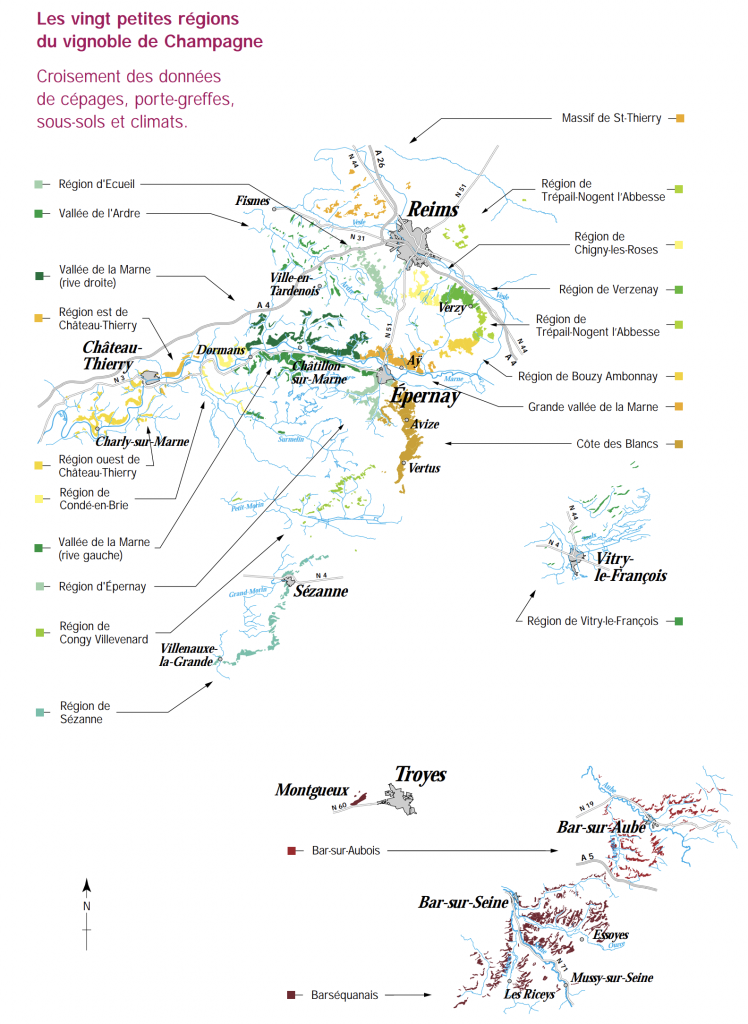
Based in Avize, Agrapart works an astonishing 70 micro-plots in the Côte des Blancs, mostly in Avize yet with plots in Cramant, Oiry and Oger as well. These villages are home to many of the best Chardonnay growing sites in Champagne.

The map below shows the main sub-regions of Champagne

Click to enlarge🔎


From left to right Champagne vineyards by Soil Type, Aspect and Dominant Varietal

Click on a map to enlarge🔎

93 Points

“Based on the 2019 vintage and disgorged in April 2022, Agrapart's NV Brut 7 Crus wafts from the glass with scents of crisp green apple, freshly baked bread, white flowers and buttery pastry. Medium to full-bodied, fleshy and enveloping, it's an ample, incisive wine, with racy acids and a saline finish. When the range begins like this, you know you're in the presence of one of Champagne's greatest producers.” 

William Kelley, The Wine Advocate

Where in the world does the magic happen?

Champagne Agrapart et Fils, Avenue Jean Jaurès, Avize, France

Oiry
Cramant
Oger
Côte des Blancs
Champagne
France