Size & Type
Other

Location
One thing is certain, you’ll never run short of choice!
First Records of Wine Production – Go back millennia!
Founding Figures – The Greek colonisation marked a shift from vine grown in the wild to planned viticulture around 800 BC the Romans dramatically expanded production around 200 BC. The Italians never looked back!
Area Planted – Around 700,000 hectares making around 19% of the world’s wine!
Number of Wineries – Soave alone is made by 3,500 producers. That’s around the same number of wineries as in all of Australia! From gargistes to industrial scale conglomerates every Italian has a winemaker in the family.
Established Regions – Every region in Italy produces wine! The most prestigious region Piedmont is home to the stunning Nebbiolos of Barolo & Barbaresco. The Chianti and Brunello of Tuscany following hot on Piedmont’s heals. These are just a drop in the ocean!
In typical Italian style the classification systems of each region vary and are often skewed by influential persons with much to gain over the quality of the industry. As always we need to rely on our taste buds as the ultimate decider of quality!
Most Common Varieties – In his book ‘Native Wine Grapes of Italy’ Ian D’Agata documents around 500 Italian grape varieties, by no means the complete set! Around 350 of these have been granted authorized status. There’s plenty to try! We’ve seen a push to save some of the notable, rare varietals like the white Nascetta and Arneis from Piedmont.
Whilst we have seen an ingress of French Varietals, the most notable being the Cabernet Varietals + Syrah used to make the Super Tuscans, the Italians have, by and large stayed true to their roots.
White – Whites of note: Arneis (Piedmont), Cataratto (Sicily), Fiano (southwest coast), Friulano (Friuli), Gargenaga (Veneto – the Soave grape), Greco di Tufo (southwest coast), Malvasia Bianca (throughout Italy), Moscato Blanc (Piedmont), Pecorino (Abruzzo), Pinot Grigo (Why?), Ribolla Gialla (Friulli), Trebbiano (Abruzzo), Verdicchio (Marche) and Vermentino (Sardinia, Tuscany and Liguria).
Red – Aglianico (Campania), Barbera (Piedmont), Corvina blended with Rondinella to make Amarone, Dolcetto (Piedmont), Malvasia Nera (Puglia), Montepuliciano (Tuscany), Nebbiolo (Piedmont), Negaromaro (Puglia), Nero d’Avola (Sicily), Primitivo (Puglia), Sagrantino (Umbria) and Sangiovese (Tuscany).
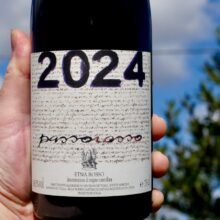
Up and Coming Regions – Beyond Barolo and Barbaresco, around the world we have seen Amarone, Chianti, Soave, Prosecco, Verdicchio and the wines of Puglia gain strong recognition. In recent times the increasing cost of Barolo in particular has seen exploration of Nebbiolo from Alto Piedmonte and Valtellina. At the opposite end of the country, in part due to the investment of heavy hitters like ‘Barolo Boy’ Marco di Grazie (Terre Nere) and Andrea Franchetti (Passopisciaro) the Nerello Mascelese (red) and Carricante (white) wines of Etna, Sicily have become world recognised. Nerello Mascelese being described as some as the Barolo of the South or a cross between Nebbiolo and Pinot. I prefer to call it delicious!
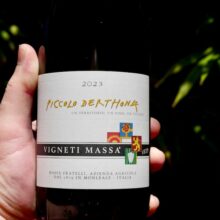
Showing of wines
A more typical Soave style than the Salvarenza, beautifully built on a frame of quality fruit. Pear and citrus are cleansed by a very typical and lovely silvery line of bitterness. Long with a lovely mid-palate. A great mid-palate is a sign of a good wine!
Nebbiolo from Barbaresco, Piedmont
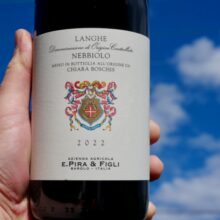
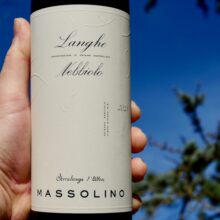
A Langhe Nebb made from young vine Rabajà .. Yes it's true! Always a fun wine. Elegant and juicy fruited, with solid core of fruit wrapped in chewy tannins. It’s a playful Langhe. Typically perfumed with a savoury twang, a little orange. Loads of fun to be had here. Always better after an extra year in bottle & a good decant. Will reward 2-5 years patience.The 2021 Langhe Nebbiolo emerges from young vines in Trifolera. It's a gorgeous entry-level wine with tons of Nebbiolo charact
Nebbiolo from Valgella, Valtellina
Yet another successful 'Costa Bassa' from Fay! Thoughts read pretty much the same as for the delicious 2019. Loads of pleasure here, the harmony, and, the inviting, drink me, nature of the wine is just the beginning. It really has everything in all the right places.Excellent. Got that whole alpine thing going on. Excellent weight and shape to it. Playful dusty chalky slightly chewy tannins with fine boned acid. Sour cherry with licorice a hint of smoke, resinous. A thirst quencher with epic
Dolcetto from Monforte d'Alba, Barolo
The Dolcetto grapes we produce come from our own vineyards, where we find soils typical of the Helvetian region (ancient in origin, calcareous-clayey with shades of pale gray and pink. Alternating layers also include siliceous sandstone, calcium carbonate, and iron). The color is intense ruby red with purple highlights. The persistent floral and fruity aromas of sweet violets and small red fruits give it a pleasant immediacy. Its moderate tannins and balanced, elegant structure make it the quint
Nebbiolo from Valgella, Valtellina
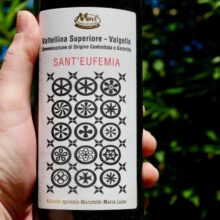
Loads of fun to be had here. The acid balance with the fruit weight is about right. Energy here with vibrant red fruit, sour cherries, a little of that alpine spice. Heston Blumenthal once did mince tarts that were topped with sugar mixed with ground pine needles and it worked. There’s a little of that sitting here in the background. The tannins aren’t quite as polished as those in the wines of Fay or Ar.Pe.Pe. Slightly drying on the mid palate. A little salami or a plate of something roaste
Nebbiolo from Grumello, Valtellina
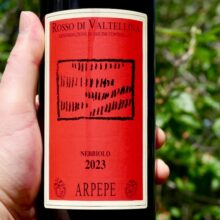
Savoury, ferrous and bloody with a dusting of tannins. Lovely development. Fine a good expression of Chiavanesca from Valtellinas. Dark cherry, lacing of licorice. Beautifully weighted and flowing. Ar.Pe.Pe doing their thing!Paul Kaan, WINEDECODED Oct 2025The 2023 Rosso di Valtellina is a terrific introduction to this range. Aromatic, pliant and supple, the 2023 is inviting right out of the gate. Crushed red berry fruit, white pepper, chalk and flowers all grace this silky, mid-weight
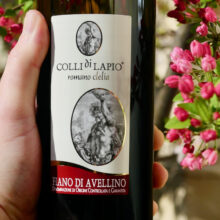
Once again, a stunning example of what Fiano is capable of. , brimming with orchard and stone fruits that complement Fiano’s hallmark notes of smoke and dried herbs. The drive and energy through the palate is superb, yielding a wine that is both a pleasure to consider and to drink.The 2024 from a cooler year show is looking sharp. Fresh and energetic with a fine salty acid line. Flowers, pear, layered creamy lees work. Little ginger and spice. A savoury layer with a garrigue woody herb.
Nebbiolo from Valgella, Valtellina
Yet another successful 'Costa Bassa' from Fay! Thoughts read pretty much the same as for the delicious 2020 & 2019. Loads of pleasure here, the harmony, and, the inviting, drink me, nature of the wine is just the beginning. It really has everything in all the right places.Excellent. Got that whole alpine thing going on. Excellent weight and shape to it. Playful dusty chalky slightly chewy tannins with fine boned acid. Violets, a little plum, sour cherry with licorice and a hint of smoke,
Bordeaux Blend from Orcia, Tuscany
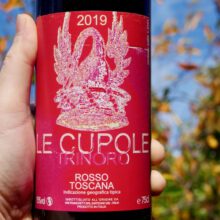
The term "Rosso Toscano" usually indicates an inexpensive wine made for everyday drinking. But in this case, the wine is essentially a Super Tuscan, made from a blend of Cabernet Franc, Cabernet Sauvignon, Merlot and Petit Verdot. Not a drop of Sangiovese, but it's unmistakably Tuscan — intense and concentrated, with a seductive tonal palate and enough body and tannic grip to age and evolve.The second label of Tenuta di Trinoro, Le Cupole was first produced in 1995. It is a blend of Cabern
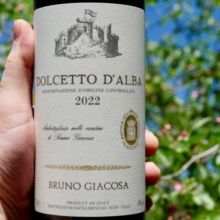
Dolcetto from Neive, Barbaresco
Many of Barolo's greats would argue that you should judge a maker on their Dolcetto before their Nebbiolo! Giacosa does Dolcetto justice. The missing links for Dolcetto are typically sorting reduction and developing the wine sufficiently. Giacosa jumps those hurdles with ease and breezes past the finish line with quality fruit & considered handling to offer us a wine with a refined mouthfeel.Savoury, vibrant, dark, with an excellent core of fruit thirst-quenching and delicious. Straight
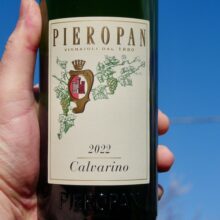
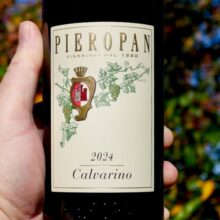
White Blend from Soave, Veneto
The name 'Calvarino' translates to 'small ordeal'. Andrea Pieropan told us it was named after the hill Jesus was crucified on, reflecting how difficult the soil is to work and the tortuous path which winds from top to bottom.A ripping Calvarino. A smidge fuller than general with the acid to hold it. As usual, the fresher of the 2 Cru wines. Excellent core of vibrant fruit with loads going on. It feels like there's been a little more work on textural components and mid-palate weigh
No wines match your filters
Try removing a filter or broadening your selection.
We couldn't load the wines just now.
You've seen all wines
wines