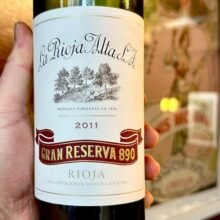
La Rioja Alta 890 Gran Reserva 2011

Product information

La Rioja Alta 890 Gran Reserva 2011

Red Blend from Spain, La Rioja, Haro

$575

$555ea in any 3+
$535ea in any 6+
Alc: 14%
Closure: Cork

Description

As only the second vintage of 890 I’ve tried I was immediately struck by the contrast the 2011 has compared with the 2010. Share a glass with the importer, he remarked that the 2011 is a more typical vintage for the 890. While 2010 presented with a richness and generosity, the 2011 has the hallmarks of a great Claret. Vibrant fruit with a subtle underlying lacing of oak, building in the glass, fruit slowly shining through. A fine line of acid adds to the impression of delicacy and restraint. Lower in alcohol than the 904 and less bold. The secondary characters really comesthrough as it opens. A delight to devour.

Paul Kaan, Wine Decoded May 2026


There’s no new 890 until 2028, so this year, I once again tasted the 2011 Gran Reserva 890, their longest-aging red, which matured in used American oak barrels for six years, and produced just three or four times per decade. It’s mostly Tempranillo with 3% Graciano and 2% Mazuelo, with the Graciano vinified separately. 2011 was a warm and ripe year, but the wine has medium ripeness and 14% alcohol, with a pH of 3.7 and 5.8 grams of acidity. It has a tertiary nose, with notes of wet fur, leather, truffles, spices, earth and forest floor, decayed leaves and a hint of smoke. The palate is velvety, with fully resolved tannins and a long, very tasty finish. It’s by far the most evolved of the wines I tasted this time, with some rustic character, starting to show notes of iodine and an earthy touch. It might not be as long lived as I initially anticipated. It finishes with a slight bitterness.

Luis Gutiérrez, The Wine Advocate 95 Points


The 2011 Gran Reserva 890 (95% Tempranillo, 3% Graciano, 2% Mazuelo; Rioja Alta) was aged six years in barrel with 10 traditional rackings, the final selection made through tasting and analysis. Its nose opens in a tully tertiary register, with tar, ink, camphor, damp earth, clove, mushroom and menthol. On the palate, intensity is matched by poise, moving toward dried fruits and balsamic tones before finishing on dried flowers. A wine built on bouquet rather than primary fruit, it is refined in form and deeply expressive.

Joaquín Hidalgo, Vinous 95 Points


If you’re a fan of the wines of Viña Tondonia & Viña Bosconia from R. López de Heredia the wines of La Rioja Alta will be in your zone!

Straight 6 Pack orders will come in a wooden box

Check out all of the wines by La Rioja Alta

Why is this Wine so Yummy?

NOTE on OAK: Many traditionalists rail against the use of American oak in any wine. La Rioja Alta is a benchmark in oak handling. Whatever they are doing with their tree selection, in-house seasoning and cooperage the impact in their wines is incredibly nuanced. All of the oak for their top wines has been seasoned for at least 1 year with other wines prior to use here. It’s more like the difference between adding a pinch of salt to porridge than a tablespoon of treacle!

Tempranillo (95%) and Mazuelo (2%) from our own vineyards in Briñas, Labastida and Villalba and Graciano (3%) from our Montecillo vineyard in Fuenmayor.

About La Rioja Alta

The Bodega was formed in 1890 as a partnership of 5 quality-conscious growers keen to exploit the export potential for well-made, ‘modern’ Rioja. At this time, French vineyards were ravaged by phylloxera, and connoisseurs were having to look elsewhere for supplies of fine wine. Rioja, with its excellent climate and soils, had already attracted attention, and experiments with Bordeaux-style vinification and barrique-aging were proving very successful. The region’s only real disadvantage was its remoteness, cut off from the lucrative markets to the north by the same mountains that ensured its favorable climate. This problem was solved by construction of the rail link to Bilbao, and it is no coincidence that Bodegas La Rioja Alta was established next to the Haro railway station in the same year it opened.

In 1904, La Rioja Alta absorbed Bodegas Ardanza, and gained access to some of the finest vineyards in the Rioja Alta district. The luxury 904 bottling commemorates this important milestone in the company’s development. Since then Rioja has seen more bad times than good, and many producers have harmed the reputation of the region and its production methods, releasing sloppily-aged wines which were never good enough to support a long time in cask. But La Rioja Alta has never let standards slip, and continues to this day the tradition of careful long-aging that gives Rioja its unique character. These wines offer a wonderfully complex bouquet, rich flavors, a seductively smooth texture, and are all ready to drink on release.

In the Vineyard

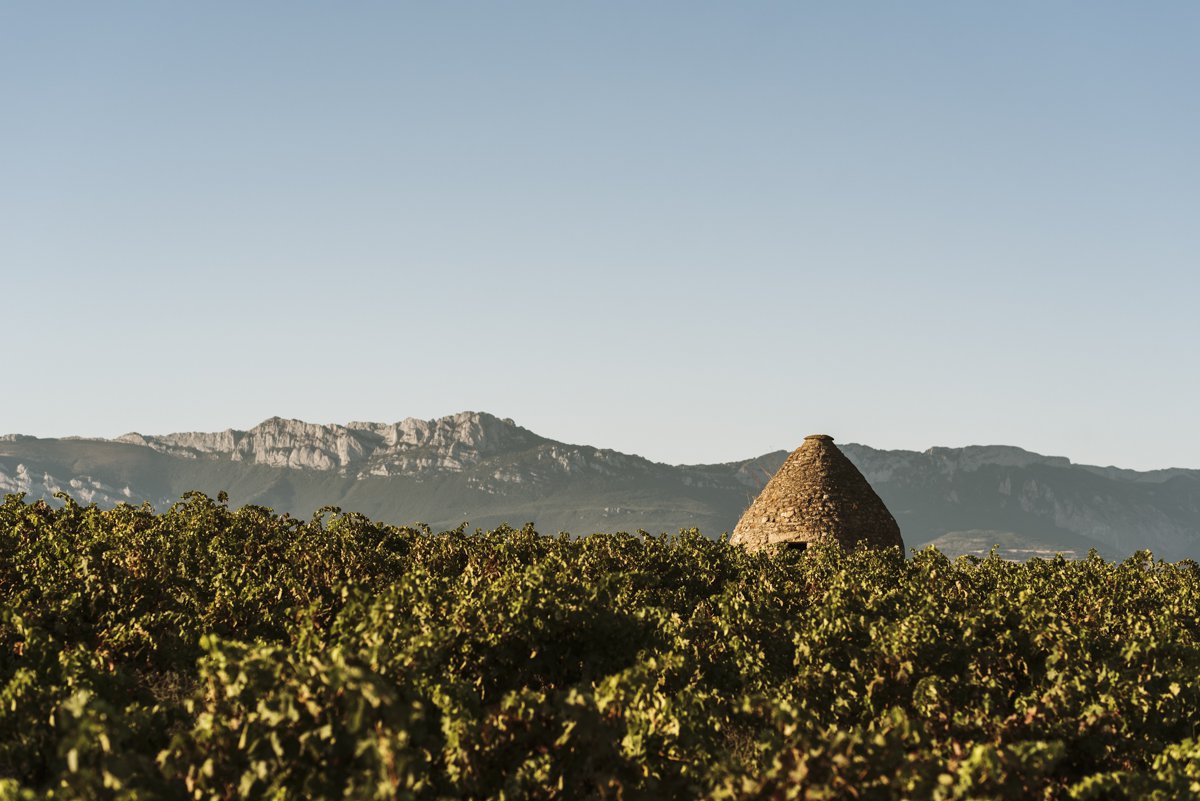
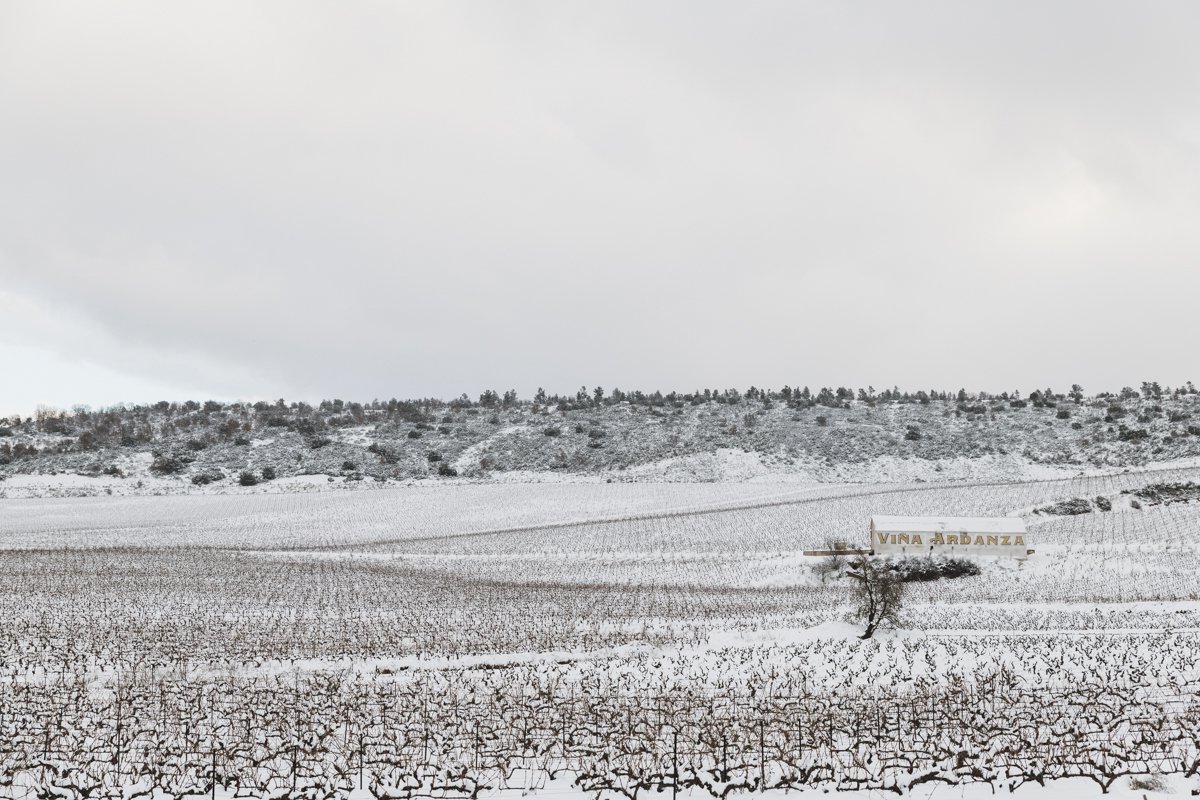
The company owns 300 hectares of vineyards in different parts of the best zones of the Rioja Alta region. La Rioja Alta S.A. is specialized in red wines. The leading grape variety is the Tempranillo with small doses of Mazuelo and Graciano. The Vina Ardanza differs from the other wines with some 25% Garnacha in the blend.

Sustainability in the Vineyard

Our 900 hectares are cultivated with integrated production methods, minimizing chemical use through natural alternatives like insect shelters, biotechnological traps, and ground cover. We plant vineyards at elevations above 800 meters to adapt to climate change, preserving the freshness and acidity essential to our wines.

Organic viticulture is a priority, with free-roaming horses and cows fostering biodiversity, while bat colonies provide natural pest control. Additionally, our “Artisanal Vineyards” project focuses on reviving century-old vines, safeguarding the heritage of Rioja Alta.

The people from La Rioja Alta are looking for older vineyards in the Rioja Alta zone, mostly around Elvillar, in principle for the sister project Torre de Oña. As they think they have done all the technical improvements possible, they believe the improvement has to come from the vineyards, so they are experimenting in that direction. In those vineyards, there is more white interplanted with the red. And they are also experimenting with white wine.

In the Winery

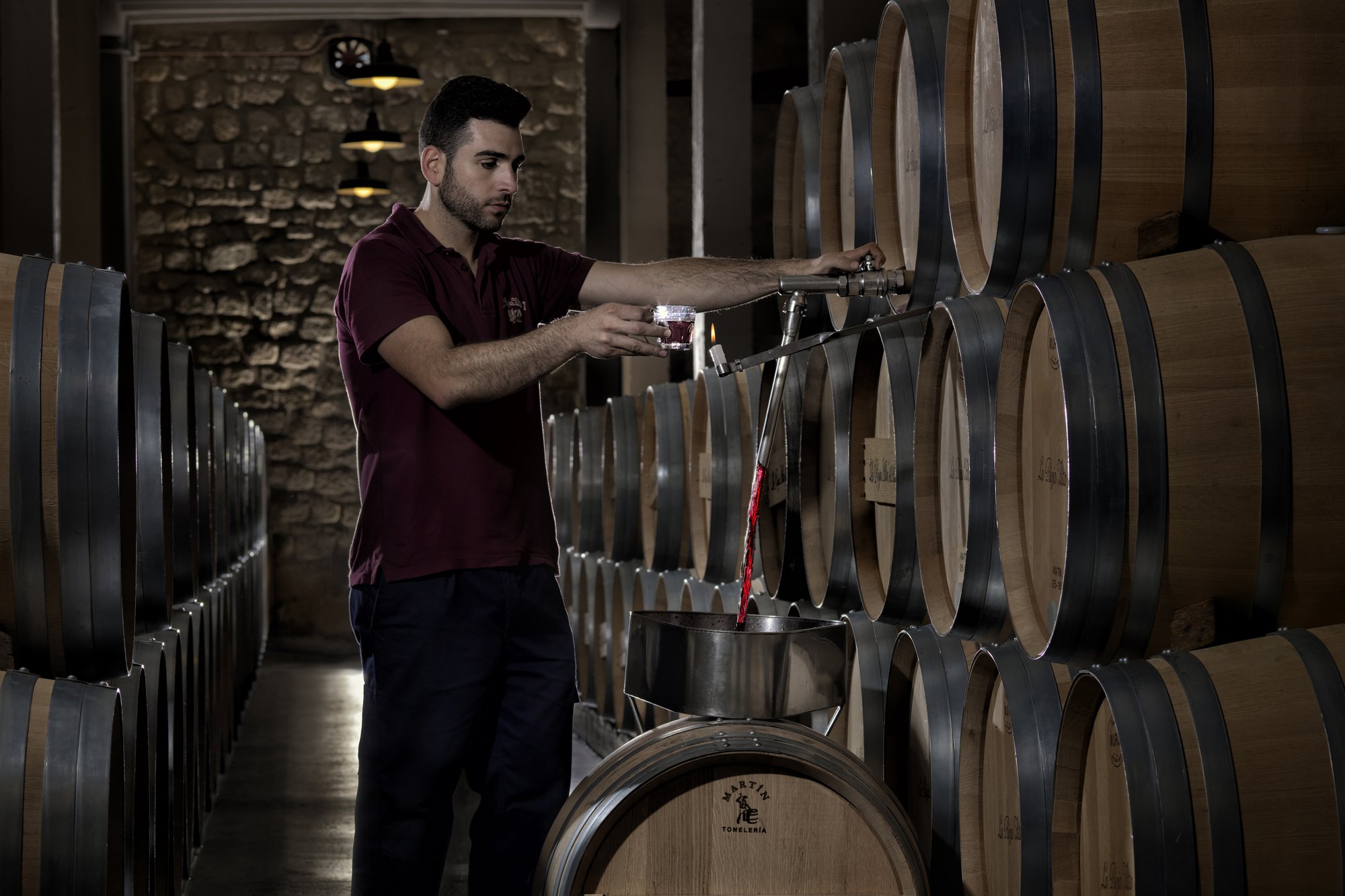
Tempranillo was the first to be harvested, followed 23 days later by the Graciano from Montecillo. All the grapes were placed in small boxes and transported in refrigerated vehicles to preserve the integrity of the fruit. This vintage was the first that the grapes were optically selected, berry by berry, so only those that met our strictest quality standards were chosen for this wine. Alcoholic fermentation in tanks lasted 21 days and was followed by malolactic fermentation. In January 2016 we selected the finest wines to age them in American oak barrels with an average age of four and a half years and made by our own in-house coopers. After four years in these barrels and traditional rackings —by hand and candlelight— every six months, the final blend was bottled in February 2020.


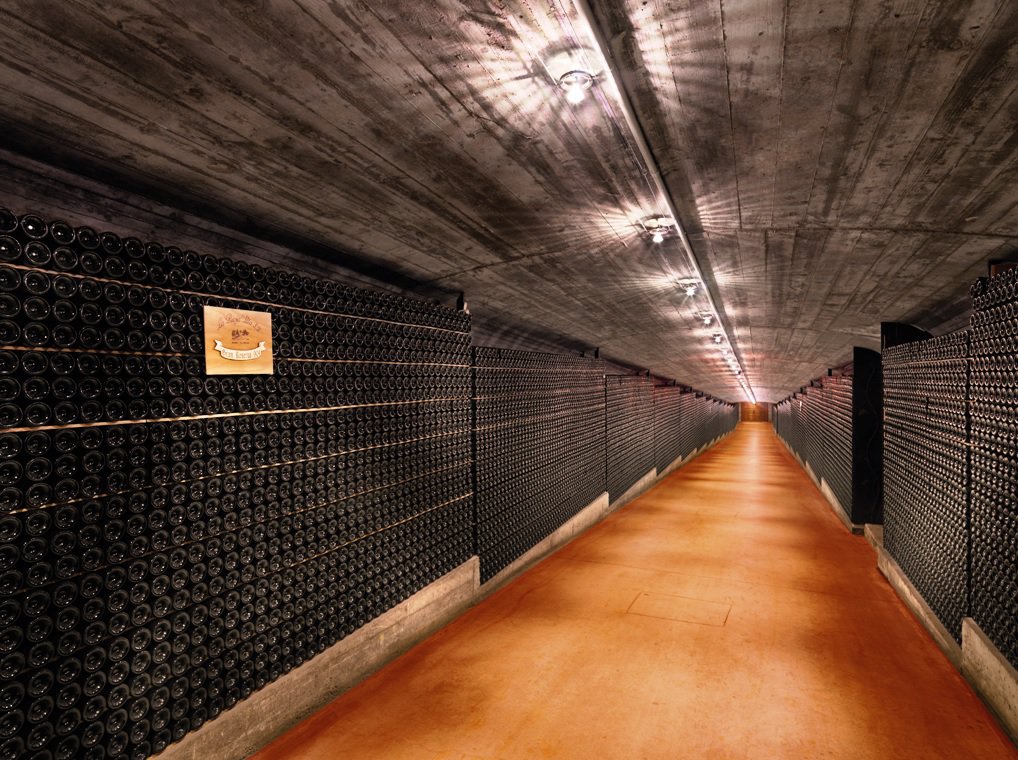
After vinification in the new ultra modern vinification plant near Haro, aging is in traditional Bordeaux casks, all made from American oak. Racking is by hand every 6 months with 8 teams working full time racking the 51,000 casks. There is no filtration prior to bottling and further long aging in bottle before release.

In short the wines are made in the traditional Rioja manner. The company is adamant about not using French oak, keeping the unique Rioja style which has been developed since the end of the 19th century. In spite of the varying amount of time in cask and bottle the wines all display a wonderful rich ruby color, gorgeous aromas of oak, spices and fruit followed by a sensational feel on the palate, with a wonderful smooth texture, clean rich oaky/fruity flavors and a long lingering finish. All the wines are ready for consumption on release but will keep for many more years in bottle. This situation is almost unique in the world of wine and is the reason why so many restaurants list La Rioja Alta’s outstanding range of truly classic Rioja wines.

The 2011 Vintage at La Rioja Alta

From the Winery

After an initial period of water scarcity, our high-altitude vineyards in Rioja achieved balanced growth thanks to the reserves accumulated. The end of the cycle was marked by sunny days and cool nights, with significant temperature variation that benefited the ripening process. We highlight the excellent color intensity, significant polyphenolic richness, and outstanding grape health, resulting in exceptional wines ideal for long aging. Officially rated as Excellent.

The 2016 Vintage at La Rioja Alta

From the Winery

An outstanding vintage in both quality and quantity, with wines that stand out for their depth and persistence. Moderate and well-distributed rainfall throughout the cycle mitigated the effects of drought and summer temperatures. The wines exhibit remarkable acidity-alcohol balance, high aromatic intensity, and excellent tannin maturity.

Where in the World is La Rioja Alta?

La Rioja Alta is in Haro, Rioja Alta. Rioja and it’s three current subzones Alta, Alavesa and Baja achieve no meaningful distinction between vineyards and wines.

Baja translates to Low and is being replaced with Oriental given the negative quality conation of the word.

There is a growing push to better recognise quality terroir by define the:

  1. Quality soils in Rioja at a macro level, equivalent to Appellation Bourgogne in Burgundy;
  2. The individual villages or Pueblo of Rioja equivalent to a village in Burgundy like Gevrey-Chambertin or Chassagne-Montrachet; and
  3. The special places (like lieu dit in Burgundy) & individual vineyards within the villages.

Only time will tell how this unfolds. In the meantime we’ll be including information on all of the wines we list from Rioja.

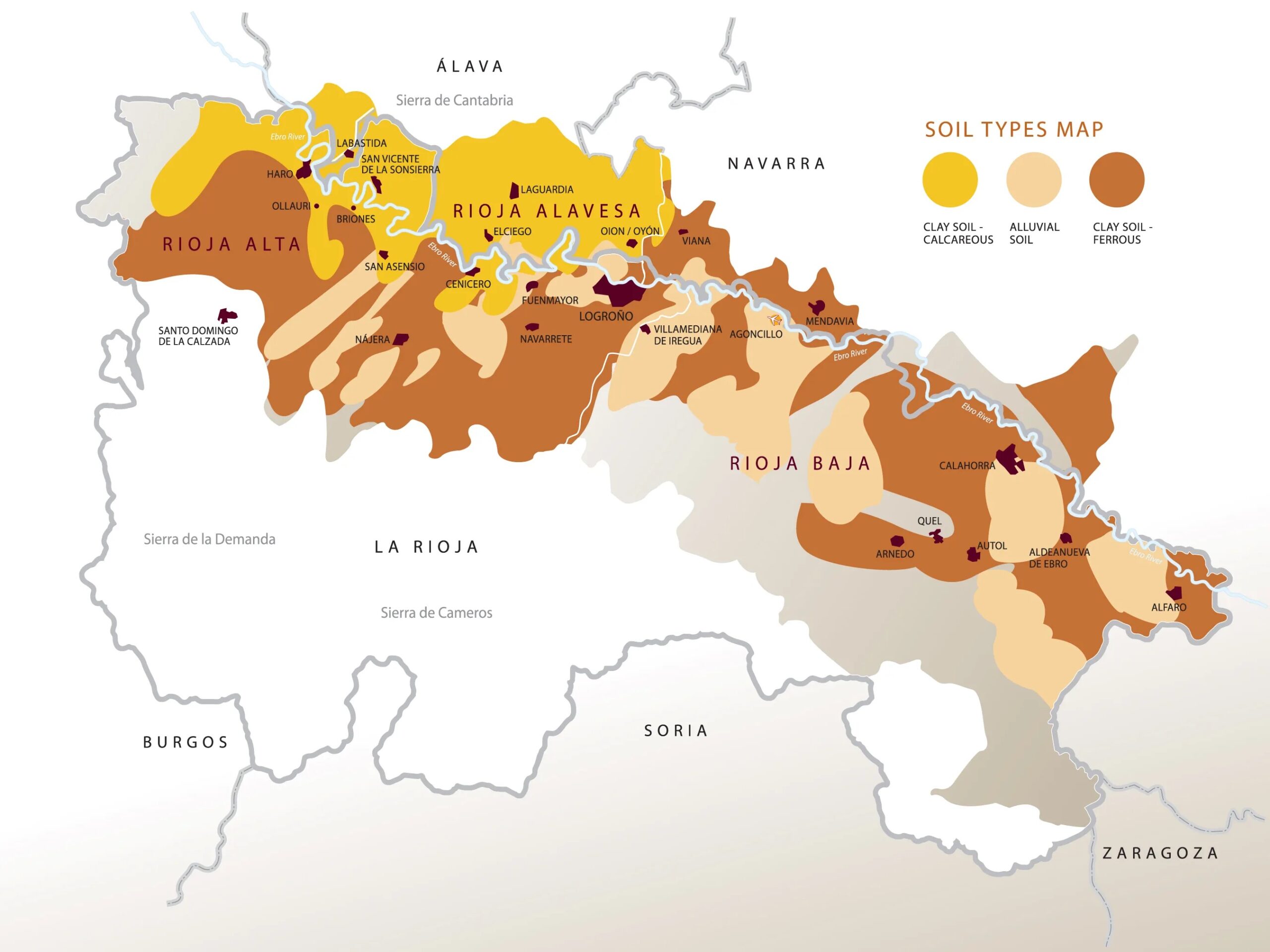
The area is vast with over 60,000Ha of vines planted. As Scott Wasley puts it, it’s the equivalent of using South East Australia to classify the wines NSW, Victora, SA and Tasmania. In the flyover below at the 20sec mark you’ll see a high level geological map of general soil types, it’s clear they run perpendicular to the general sub-region orientation along a number of rivers, valleys and sub-plains. The fact that I’ve mentioned both the split in soil types, and, significant geological changes if enough for any vigneron worth their salt to call for a more detailed differentiation between key viticultural areas of Rioja. Politics, corruption and a bias toward bland mass-produced wines the adversaries of progress on mapping the region. Without more appropriate classification of vineyards we have to rely on the reputation of quality producer and their track record in the glass. Perhaps not a bad thing for an individual wine. Not great for the reputation of a region as a whole.

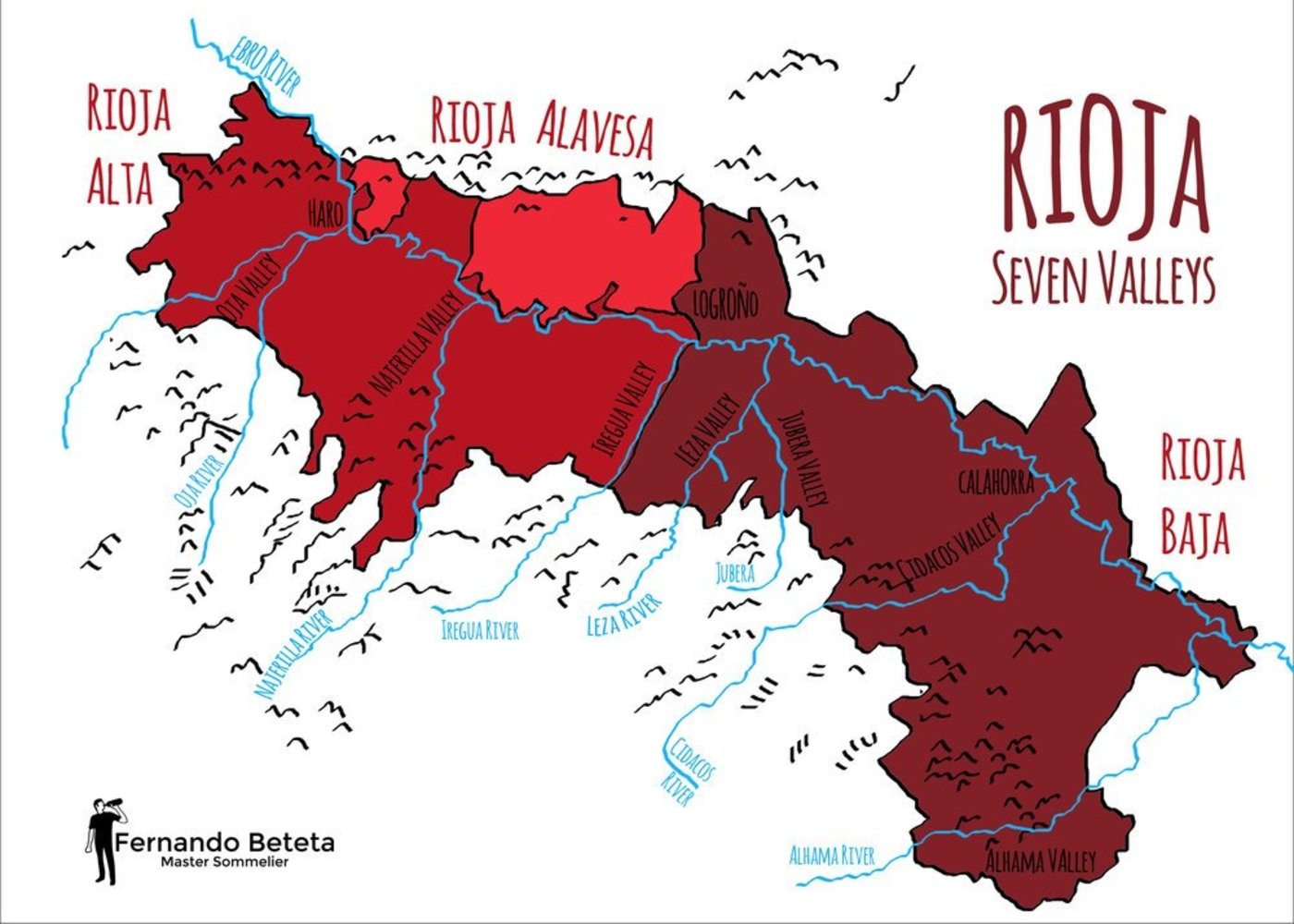
Although not an official classification the map below would be a start to delineating between different areas of Rioja based on the Valleys within it. You can clearly see the rivers running through each of the valleys.

Click to enlarge🔎

General in nature the soil map below offers some guidance on the geology of Rioja.

Click to enlarge🔎

95 Points

There's no new 890 until 2028, so this year, I once again tasted the 2011 Gran Reserva 890, their longest-aging red, which matured in used American oak barrels for six years, and produced just three or four times per decade. It's mostly Tempranillo with 3% Graciano and 2% Mazuelo, with the Graciano vinified separately. 2011 was a warm and ripe year, but the wine has medium ripeness and 14% alcohol, with a pH of 3.7 and 5.8 grams of acidity. It has a tertiary nose, with notes of wet fur, leather, truffles, spices, earth and forest floor, decayed leaves and a hint of smoke. The palate is velvety, with fully resolved tannins and a long, very tasty finish. It's by far the most evolved of the wines I tasted this time, with some rustic character, starting to show notes of iodine and an earthy touch. It might not be as long lived as I initially anticipated. It finishes with a slight bitterness.

Luis Gutiérrez, The Wine Advocate

95 Points

The 2011 Gran Reserva 890 (95% Tempranillo, 3% Graciano, 2% Mazuelo; Rioja Alta) was aged six years in barrel with 10 traditional rackings, the final selection made through tasting and analysis. Its nose opens in a tully tertiary register, with tar, ink, camphor, damp earth, clove, mushroom and menthol. . On the palate, intensity is matched by poise, moving toward dried fruits and balsamic tones before finishing on dried flowers. A wine built on bouquet rather than primary fruit, it is refined in form and deeply expressive.

Joaquín Hidalgo, Vinous

Where in the world does the magic happen?

Bodegas La Rioja Alta, S.A., Avenida Vizcaya, Haro, Spain

Haro
La Rioja
Spain