Size & Type
Other

Location
One thing is certain, you’ll never run short of choice!
First Records of Wine Production – Go back millennia!
Founding Figures – The Greek colonisation marked a shift from vine grown in the wild to planned viticulture around 800 BC the Romans dramatically expanded production around 200 BC. The Italians never looked back!
Area Planted – Around 700,000 hectares making around 19% of the world’s wine!
Number of Wineries – Soave alone is made by 3,500 producers. That’s around the same number of wineries as in all of Australia! From gargistes to industrial scale conglomerates every Italian has a winemaker in the family.
Established Regions – Every region in Italy produces wine! The most prestigious region Piedmont is home to the stunning Nebbiolos of Barolo & Barbaresco. The Chianti and Brunello of Tuscany following hot on Piedmont’s heals. These are just a drop in the ocean!
In typical Italian style the classification systems of each region vary and are often skewed by influential persons with much to gain over the quality of the industry. As always we need to rely on our taste buds as the ultimate decider of quality!
Most Common Varieties – In his book ‘Native Wine Grapes of Italy’ Ian D’Agata documents around 500 Italian grape varieties, by no means the complete set! Around 350 of these have been granted authorized status. There’s plenty to try! We’ve seen a push to save some of the notable, rare varietals like the white Nascetta and Arneis from Piedmont.
Whilst we have seen an ingress of French Varietals, the most notable being the Cabernet Varietals + Syrah used to make the Super Tuscans, the Italians have, by and large stayed true to their roots.
White – Whites of note: Arneis (Piedmont), Cataratto (Sicily), Fiano (southwest coast), Friulano (Friuli), Gargenaga (Veneto – the Soave grape), Greco di Tufo (southwest coast), Malvasia Bianca (throughout Italy), Moscato Blanc (Piedmont), Pecorino (Abruzzo), Pinot Grigo (Why?), Ribolla Gialla (Friulli), Trebbiano (Abruzzo), Verdicchio (Marche) and Vermentino (Sardinia, Tuscany and Liguria).
Red – Aglianico (Campania), Barbera (Piedmont), Corvina blended with Rondinella to make Amarone, Dolcetto (Piedmont), Malvasia Nera (Puglia), Montepuliciano (Tuscany), Nebbiolo (Piedmont), Negaromaro (Puglia), Nero d’Avola (Sicily), Primitivo (Puglia), Sagrantino (Umbria) and Sangiovese (Tuscany).
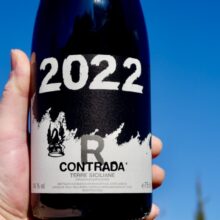
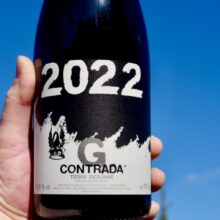
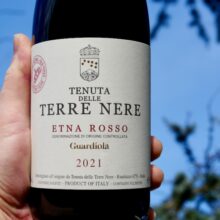
Up and Coming Regions – Beyond Barolo and Barbaresco, around the world we have seen Amarone, Chianti, Soave, Prosecco, Verdicchio and the wines of Puglia gain strong recognition. In recent times the increasing cost of Barolo in particular has seen exploration of Nebbiolo from Alto Piedmonte and Valtellina. At the opposite end of the country, in part due to the investment of heavy hitters like ‘Barolo Boy’ Marco di Grazie (Terre Nere) and Andrea Franchetti (Passopisciaro) the Nerello Mascelese (red) and Carricante (white) wines of Etna, Sicily have become world recognised. Nerello Mascelese being described as some as the Barolo of the South or a cross between Nebbiolo and Pinot. I prefer to call it delicious!
Showing of wines
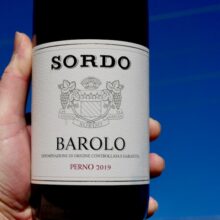
Nebbiolo from Monforte d'Alba, Barolo
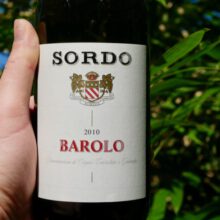
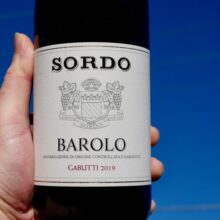
All of those Monforte tannins offering up a delightfully edgy mouthfeel. Understanding of how Sordo's Perno evolves, you can see exactly where this will end up. Grap a 2015, 2010 Riserva, 2008, 2004 or 2001 from our museum collection and you'll see!Yes it’s tight now. Give it 5 years and you will go to a very happy place. The 2010 Perno Riserva and 2008 Gabutti Riserva where the first 2 Sordo Barolos I drank. They lit a fire and I see everything in the 2019 that excited me about the 2010.
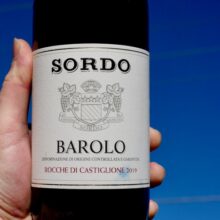
Nebbiolo from Castiglione Falletto, Barolo
Wow! A sensational Rocche. At this early stage in its life it sit with harmony, together. Expressive, a long even palate, stunning tannins that caress. The perfume is intoxicating, faded flowers of Castiglione Falletto. A superb core of fruit of exceptional length.Year in year out this is in the top 3 of Sordo 8 Barolo Crus. It looks like this year will be no different. Savoury, a little salty and earthy. This will be long lived. Beautifullly composed
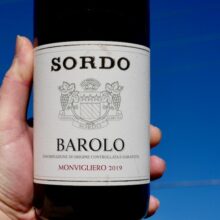
Greater complexity than Ravera at this early stage in its life. Florals, earthy, truffled layers on red fruits with classic roses and woody herbs at play. Hints of baking spice, it feels a little more relaxed at this stage compared to the Ravera.Excellent tannins, fine, precise, long and even matching the fruit through the full length of the palate. Outstanding purity. A superb expression of Verduno.
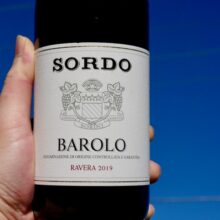
Juicy red fruits that heart shaped Ravera profile, the fruit start broader across the palate and tapering away. Supple refined tannins, long juicy acid with a pleasing tang. Again grape first, tight-knit and pure.The most overtly acid of the Crus, it has loads more to come as the acid resolves with time and secondary development sees this relax and build generosity and complexity. A wonderful Ravera
Nebbiolo from Commune di Barolo, Barolo
The 2017 Barolo Coste di Rose is pretty, supple and inviting. Some of the tannins need to resolve, but this is a young Barolo after all. The Coste di Rose doesn't have the sensuality of the Albe or the pedigree of the Viole, but it nevertheless has so much to give. Crushed flowers, sweet red berry fruit, mint, crushed rocks and sage are some of the many notes that linger. I won't be surprised if the 2017 is even better than this note suggests once it softens a bit. Galloni
Nebbiolo from Bussia, Monforte d'Alba
Oh so pretty! This is very well played. Bussia is right in the north of Monforte, which as a whole was very poorly defined during the MGA classification. It tends to produce wines of more elegance than many of the Crus further south in Monforte. Barale’s 2018s have been beautifully composed. The Bussia tannins are fine and restrained. The development and oxidative handling demands quality fruit and it has that with a solid core of red fruits layered in with savoury, earthy notes. I’m enjoyin
Nebbiolo from Castiglione Falletto, Barolo
A blend of fruit from 30% the plush La Morra Rive, 30% the flowing tannins of Castiglione Falletto’s Scarrone, & 40% structural acid-driven Serralunga vineayrds of Baudana & Broglio.A classic blend of Nebbiolo from three villages, La Morra, Castiglione Falletto and Serralunga, the 2021 Figli Luigi Oddero Barolo is a beauty, starting with its aromas of red berry, blue flower and eucalyptus. The vibrant palate is elegant and youthfully austere - a great characteristic for a wine
Nebbiolo from Barbaresco, Piedmont
Wow! Tagged as the best holding of the estate you can see why! The Albino Rocca 2021 Barbaresco Ronchi shows a dusty mineral quality that adds to the elegance of the bouquet. Beyond that, you get nicely ripened Nebbiolo fruit with wild cherry and redcurrant. It fleshes out over the palate with tart flavors and chalky tannins.Monica Larner, The Wine Advocate 94 PointsThe 2021 Barbaresco Ronchi comes across as a bit youthfully austere relative to some of the other wines in the range.
Nebbiolo from Treiso, Barbaresco
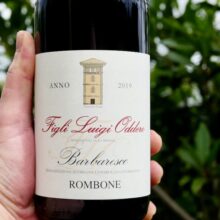
With Luciano in the vineyards, Francesco and Dante in both vineyard and winery some sort of crazy wine magic is happening! The dream team has been at it again!The Figli Luigi Oddero 2018 Barbaresco Rombone opens to tart cherry fruit and plum, with some sweet earthy tones or tobacco at the back. The wine feels rich and well concentrated to the palate, with a touch of extra ripeness that comes as a surprise for a vintage that was relatively cool and cloudy overall. If you love the bright prima
Known above all for the exceptional quality of the wines Giacosa has produced over the years, Valmaggiore still represents the peak of value in the current range. A wonderful vineyard site now popularised by a handful of producers including Giacosa, the Valmaggiore bottling displays a noticeable step up in nuance and structure to the ‘regular’ Nebbiolo d’Alba which comes from various sites in Roero.Nebbiolo’s typical red fruits and red rose are abundant in the Nebbiolo Valmaggiore, w
Fruit for the Fratelli Alessandria 2021 Barolo del Comune di Verduno comes from five vineyard sites in Verduno: Riva Rocca, Rocche dell'Olmo, Campasso, Pisapola and Boscato. This was the first Barolo del Comune di Verduno to hit the market (with the 2017 vintage). The bouquet focuses on redcurrant and tart cherry, and there is a pinch of cinnamon buried in there as well. This is a pretty Barolo that manages elegance and an easy-drinking style. This 20,000-bottle release ages in Slavonian and Fre
Nebbiolo from Barbaresco, Piedmont
Wow! Tagged as the best holding of the estate you can see why! “The 2017 Barbaresco Ronchi is terrific. Dark, ample and resonant, the Ronchi envelops all the senses from the very first taste. Succulent red cherry, plum, rose petal, spice, mint and licorice all build as the Ronchi shows off its considerable allure. Readers will have a very hard time keeping their hands off this jewel of a wine from the Rocca family.” Antonio Galloni
No wines match your filters
Try removing a filter or broadening your selection.
We couldn't load the wines just now.
You've seen all wines