Toro Albalá ~ Pre-Arrival Offer
Orders to be paid in full on confirmation in May 2026
Delivery ETA August 2026


200ml Packaging Shown Above
The Wines
Toro Albala 100 Centenario Single Cask PX
1931 Toro Albala Don PX Convento Seleccion
1943 Toro Albala Don PX Gines Liebana
1952 Toro Albala Amontillado Convento Seleccion
1956 Toro Albala Don PX Convento Seleccion
1964 Toro Albala Don PX Convento Seleccion
1964 Toro Albala Palo Cortado Marques de Poley
1973 Toro Albala Don PX Seleccion
1977 Toro Albala Don PX Convento Seleccion
1980 Toro Albala Don PX Seleccion
1984 Toro Albala Don PX Seleccion
The museum releases of vintage-dated Pedro Ximénez wines represent the most profound and concentrated expressions of PX from the Toro Albalá stable.
Produced by the first two generations of Toro Albalá, the Convento Selección bottlings represent the very finest, oldest and rarest selections from their inventory, while the Selección wines were vinified by the second generation and Antonio Sanchez Romero—third generation and current head of the Estate. The Ginés Liébana label is reserved for older lots that have been purchased and raised by Toro Albalá. Its ‘current’ release (1943) has been maturing in their Aguilar de la Frontera cellars since 1960.
For those who have not had experience with PX of this age, these wines are incredibly intense and infinitely complex. These are very different to the younger blended examples—not only in their complexity but also their more savoury nature. Luckily, only small serves are required of these elixirs and they will keep for months—even years—once opened, provided they are stored carefully (at cellar temperature for added longevity). They’re a rare treat on a degustation menu or at the end of a meal. The Amontillado and Palo Cortado present as very intense aperitifs, while the PX wines are pretty much the ultimate pairing for chocolate or coffee or anything loaded with these ingredients.
Those who have been lucky enough to taste Toro Albalá’s astonishing old PX and Amontillado will be delighted that they have also continued to bottle a small volume of their rare and ever-dwindling stocks in 200ml bottles. Obviously, this format makes these rare wines more affordable and therefore accessible, and that can’t be a bad thing! We have just been offered the wines below and we know from experience to get in quick. To help you make up your mind, we’ve included notes by Spanish critic Luis Gutiérrez, who writes for The Wine Advocate, and arguably knows these wines better than anyone outside of Andalucía.
As a whole, these are some of the most multi-faceted and fascinating wines we work with. Far from being vinous curios, these wines are also insanely delicious.
About Toro Albalá
The Toro Albalá winery began in the heart of Southern Cordoba in 1922, which is famous for its wine region Montilla-Moriles. Our history begins with the story of a small wine grower José María Toro Albalá who had the great idea of keeping aged wines to create wine treasures destined for the most demanding palates and whose family values are still founded on this philosophy today. Although considered a risk in view of the economic situation at that time, his idea was a great success and Toro Albalá wines are now to be found on the best tables in the world.
“Fino” wines were the most popular wines in the 1930s amongst mainly rural Andalusian workers who frequented the local bars. The “bodega”, or winery, was situated in a former regional power plant, which gave rise to the Andalusian joke that the wine was electric or possessed electricity, hence the famous name “Eléctrico” – still used today – for its “fino” wine.
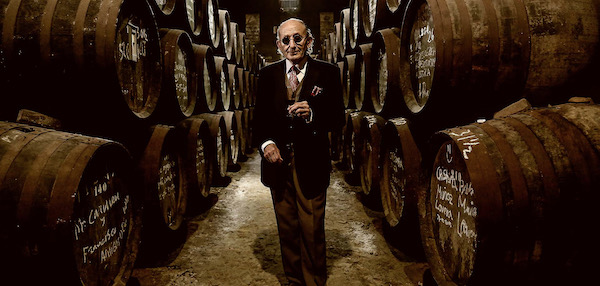
A generational change in the 1960s at the hands of enologist Antonio Sánchez was to give the brand an identity of its own. From then on, its focus was the recovery of the art of the tradition of ageing wines and adherence to the old ways of the “crianza” system. The founder’s nephew, the now well-known Antonio Sanchez, was to bring fresh ideas from his training, which he undertook primarily in France, as well as enthusiasm for a project of which he had been part since the age of six.
The legacy of this winemaker, never seen without his sunglasses, is not only the creation of wine masterpieces with a unique style all their own, but also an understanding of viniculture, surrounded by works of literature, archaelogy and paintings, as well as the constant aroma of amontillado casks. With consistent quality and a classic taste, his specialities are the very pungent amontillados and unsurpassed Don Pedro Ximénez wines.
In the Vineyard
Toro Albalá’s old, bush vine Pedro Ximénez is planted on the bleach-white, chalky soils of the region. This albariza soil type is not unique to Montilla-Moriles—Sherry’s other capitals of Sanlúcar de Barrameda and Jerez de la Frontera share the spoils. However, the combination of these light soils, altitude, and the hot, dry climate—that can sufficiently ripen Pedro Ximénez—set Montilla apart from its maritime-influenced sister regions.
In the Winery
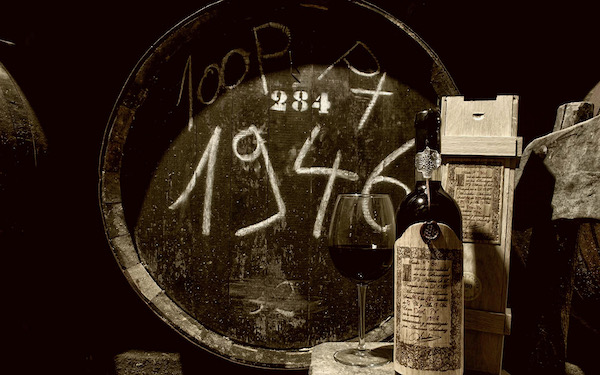
The three Artisan Ranges
The Viejas Cosechas Range
Amongst these Don PX old vintage wines are wine rarities that have been monitored throughout the ageing process and bottled at the optimum time. Carefully controlled by the vineyard manager and winemaker, the quality of these wines is assured. More accessible old wines, not as extreme as the Convento or Convento Selección ranges of extremely old wines.
The Selección range
The Selección range, known as the double label, was always designated for a long process of maturation in a static system from the time of harvest, grape desiccation and maturation. In general, the approximate number of bottles is usually around 4000- 6000, each numbered per vintage.
The Convento Selección range
Convento Selección comprises aged wines from various generations, which have been left to age in amontillado barrels for a specific ageing process, which allows wine and wood to blend, with spectacular results.
Our bottling system is called Convento Selección (convent range) after the Cistercian monks’ serialisation system. All production is carried out by hand according to the Rule of Saint Benedict, “living off the work of human hands”.
The Pedro Ximenez Wines of Toro Albalá
Toro Albalá is arguably the most important producer of Pedro Ximenez in the world today, with the finest vineyard holdings in Montilla (the region for Pedro) as well as the oldest, “legendary” stocks. Toro Albalá was the first Montilla producer to commercialize bottled, dessert-styled Pedro Ximénez in 1970, and remains the world’s only specialist in 100% vintage PX.
The key to understanding Toro Albalá’s reputation lies in their ability to balance the extraordinary sun-ripened richness and depth of old vine P.X. with a bright, savoury quality, which never allows the wines to veer into the cloying end of the spectrum. This is managed though strict quality control that few in the region can—or are willing to—match, from the old vines and great soils, through to their very long aging process. Additionally, one of the many eccentricities of this producer is their rare vintage-only P.X. wines (the overwhelming majority of P.X. bottlings are blends).
Where in the World is Toro Albalá?
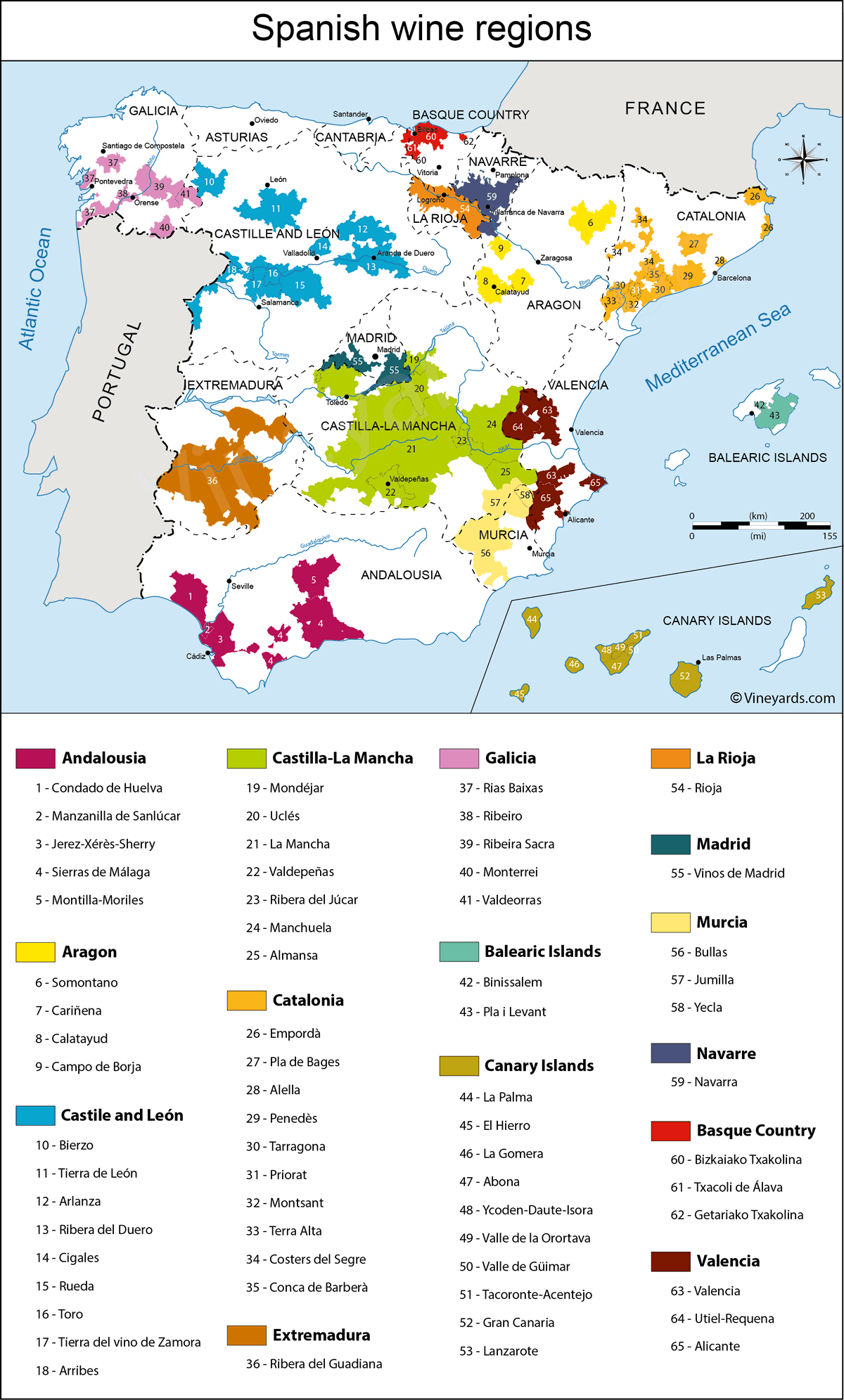
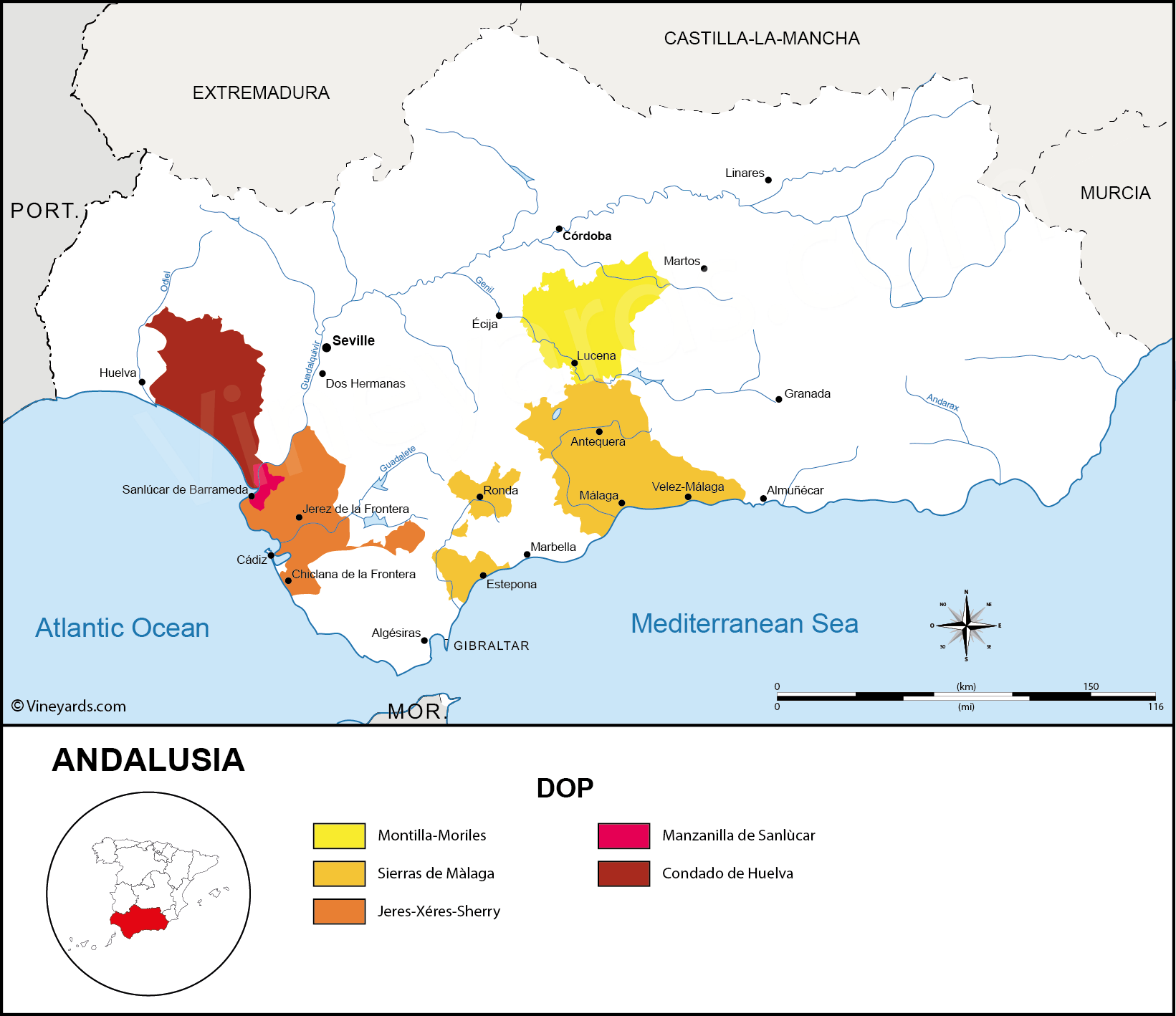
Toro Albalá’s home is the D.O. Montilla-Moriles in the wine region of Analucia. Cousin of the D.O. Jerez-Xérès-Sherry. It may be lesser known by the general public, but both regions have a common tradition, they produce similar wines in the same variety of styles and they share most of the production methods. It’s impossible to avoid their resemblance, yet there are also a few interesting differences.
The wines from Montilla-Moriles cannot be called sherry (even though they can be virtually identical) simply because this name is protected by European law and can only be used for wines from the designated sherry area. Montilla-Moriles is about 150 km. away from Jerez. It lies to the south of Córdoba, with the small towns of Montilla and Moriles at its centre. The region is generally a bit drier than Jerez, with more drastic diurnal shifts, less rainfall and particularly hot summers.
About the Wines
Pedro Ximenez
Toro Albala 100 Centenario Single Cask PX
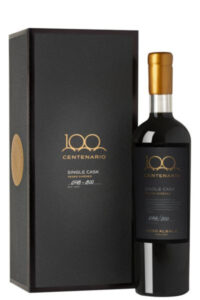 The Centenario wines convey the character and spirit of the winery. They are the result of Antonio Sánchez and each of the workers’ efforts and care for years.
Both the Amontillado and the Pedro Ximénez are wines selected by Antonio Sánchez decades ago, with a very special purpose, to share them during Holy Week with his friends and family. They were only opened on those dates, the rest of the year they wouldn’t allow anyone to touch them. Today, Antonio has decided it’s time to share them with the rest of the world.
The Palo Cortado is a selected butt from the many that we have in the cellar as a result of the desire for collecting. This wine has been chosen because it has all the characteristics of a good palo cortado and reflects the character of Toro Albalá. We have bred palo cortado for decades, but it was not until relatively recently, when we began to market it.
WINE TYPE: Raisined grape sweet wine.
GRAPE VARIETY: Pedro Ximénez.
NUMBER OF BOTTLES: 800 bottles.
17% ABV. “Sometimes prices seem disparate even if the wines are unique, and that seems to be the case for a one-off NV 100 Centenario Single Cask Pedro Ximénez, a sweet and dense wine with 17% alcohol and 490 grams of sugar. It's an extremely old wine from a single cask believed to be centenary, so it's to celebrate the first 100 years of the winery. It was bottled into 800 hand-numbered bottles. The wine has the characteristics of a very old Pedro Ximénez, very dark, opaque, dense and sweet but terribly balanced and elegant. Scarce, unique and expensive.”
Pedro Ximenez
1931 Toro Albala Don PX Convento Seleccion
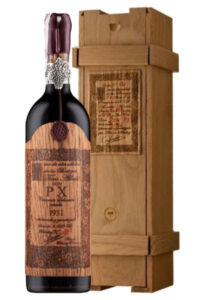
18% ABV. “If someone told you they kept a wine for 84 years in barrel before bottling, you'd think they are nuts, right? Well, that's what the folks at Toro Albalá in Aguilar de la Frontera - in the province of Cordoba, part of the Montilla Moriles appellation - did with their 1931 Don PX Convento Selección. This is part of what they call 'vinos olvidados,' which means 'forgotten wines.' The border is amber, with green tints that denote very old age. Such old age provides an array of unusual aromas and flavors, including iodine and salt that compensate the sweetness (403 grams) and even the alcohol (18%). It's terribly balsamic, with notes of dry herbs and spices, cigar ash, carob beans (algarrobas), incense and noble woods. The palate is very, very sweet and concentrated, unctuous, dense, with a chewy texture. This goes beyond a glass of wine, a drop of it is like having a piece of cake. I don't think this reaches the complexity and depth of the 1946, which remains the benchmark for these old sweet PX, but it's truly terrific! 9,650 bottles were filled in June 2015.”
Pedro Ximenez
1943 Toro Albala Don PX Gines Liebana
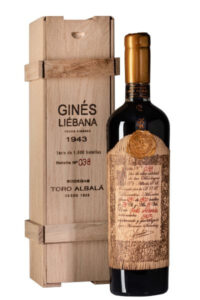
15% ABV. “The oldest, most concentrated, nuanced and serious from the range of single-harvest sweet wines I tasted this time was the 1943 Don PX Ginés Liébana, which comes from six butts that had been aging in the cellars without being blended. It has 15% alcohol and a whopping 440 grams of sugar, but the truth is, it doesn't come through as that sweet. It's super concentrated, layered and complex, thick and dense, like honey. This is the more serious and canonical, dare I say it, closer to the Jerez style of the old single-harvest PX here this time. This is more austere and conventional but very good indeed. 1,800 bottles produced. It was bottled in January 2022.”
Amontillado
1952 Toro Albala Amontillado Convento Seleccion
22% ABV. “Names of the old bottlings tend to vary (they are highly creative at Toro Albalá!) and the old Amontillado is now presented as 1952 Amontillado Convento Palma. It has the character of a very old wine, with traces of the biological aging under flor, certainly more pungent and sharper than the Palo Cortado I tasted from 1964. There is, as I have seen in other vintages, a sensation of sweetness on the finish (but no aromas of sweet wine), that kind of softens the sharpness. It could very well be the pure concentration from old age. They expect to eventually fill some 3,400 bottles with this wine.”
Amontillado
1954 Toro Albala Amontillado Convento Seleccion
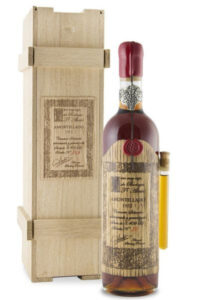
“The 1954 Amontillado is one of the singular wines with a wooden label. It has a mahogany color and a very volatile nose with pungent notes of low tide, seaweed, rusty nails and old wood. It has characteristics of a very old wine, similar to other styles, even some rancio wines. It has an explosive palate with volatility that makes you salivate (it has 10 grams of acidity too), dense and concentrated with reminiscences of seawater, hazelnuts, peat and old Cuban cigars and a salty and bitter finish. It's a wine for sipping rather than drinking, on the verge of being painful. There are 2,750 hand-numbered bottles of this wine. It was bottled in October 2023.”
Pedro Ximenez
1956 Toro Albala Don PX Convento Seleccion
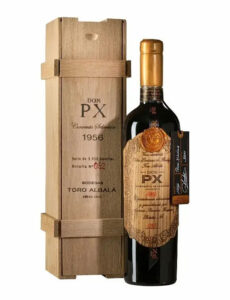 This Don PX 1956 is a wine of high persistence and complexity, made from sun-dried Pedro Ximénez grapes to obtain their high sugar content. After pressing, it was left to rest for twelve months in stainless steel tanks and, after that time, it was stored inAmerican oak casks for almost 70 years in static conditions
16.5% ABV. “The 1956 Don PX Convento Selección has a smoky note of coal, bitter chocolate and licorice and, with time, becomes creamier, with echoes of milk chocolate and café au lait, with a clearly lactic/creamy note. It has 16.5% alcohol and 390 grams of sugar. It's thick and dense, complex, with flavors of licorice, powder cocoa, hot chocolate and dark raisins. Apparently, the barrels were never moved from the same, cooler part of their cellars where the wine matured for over 65 years. This is elegant and nuanced; it gives more pleasure than the 1943, but it's not necessarily better. 3,850 numbered bottles were produced. It was bottled in November 2023.”
Pedro Ximenez
1964 Toro Albala Don PX Convento Seleccion
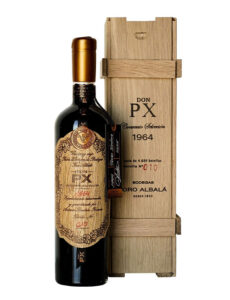 After harvesting the grapes in the month of August, with temperatures up to 45ºC, and after the sun drying process, a must was produced and, after remaining at rest for a year, went into wood. It was made in the first week of September. After raisining for 9 days and subsequent pressing, a must with a high sugar content was obtained which, after a rest period, was alcoholized before being aged in American oak casks.
15.5% ABV. “My favorite of all the old sweet PXs I tasted this time was the perfumed and showy 1964 Don PX Convento Selección, which still has the wooden label, but it has also been modernized and made easier to read. It is denser than any of the other wines and has a brighter edge, amber, because the center is opaque and black. It has an incredible perfume; it's floral and spicy with fresher aromas than I remember in the other sweet PXs. It fills your mouth, goes down your throat like liquid gold and explodes in the eternal finish. It's an amazing PX with 15.5% alcohol, lower that most, and with 377 grams of sugar, also lower than most. Elegant and intense, simply delicious. There are 4,630 bottles of this wine, all bottled in February 2022.”
Palo Cortado
1964 Toro Albala Palo Cortado Marques de Poley
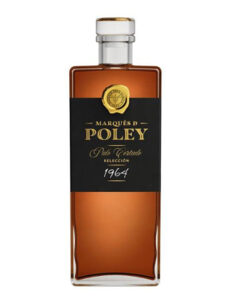
This wine’s origin is the result of Antonio Sánchez personal choice over fino wine butts that had a different profile from the rest. In 1964 it began its long stage of oxidative and static ageing. After that long period, it acquired a great aromatic complexity
Pulled from one of the oldest soleras at Toro Albalá, this 1964 Palo Cortado Marqués de Poley is a remarkable example of what time can do in Montilla Moriles. Founded in 1922, the estate has become a reference point for long aged wines, and Palo Cortado is where things get particularly interesting, starting under flor before moving into oxidative ageing, gaining depth while keeping a lifted, almost ethereal edge.
The aromatics feel almost endless. Toasted almond, hazelnut and citrus peel sit at the core, layered with dried fig, spice and something distinctly savoury. With this level of age, more complex notes take over, antique wood, tobacco leaf, old leather and a refined rancio character that adds depth without heaviness. There’s also a faint saline note that keeps everything feeling alive.
It carries itself with elegance. Bone dry, yet incredibly expressive, with a silky texture that seems to float rather than sit heavy. Flavours of roasted nuts, caramel, citrus oil and spice unfold slowly, held together by a subtle line of freshness. The finish is long, savoury and slightly bitter, in that way that makes you want another sip.
22% ABV. “The 1964 Palo Cortado Marqués de Poley Selección was aged in a solera system of which 50 botas remain. It's a very old fortified wine produced with Pedro Ximénez grapes, aged in well-seasoned American oak barrels. It is full-bodied, which hints at an Oloroso origin, and has the aromas of a very old wine with rusty nail, saltpeter, low tide, phosphor and matchstick notes with a volatile twist. Wines like this are not meant to be consumed by the general public (the price already prevents that) as their style is not easy to appreciate and might seem aggressive to some. There are 24,000 liters of this wine.”
Pedro Ximenez
1973 Toro Albala Don PX Seleccion
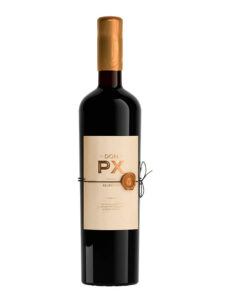
17% ABV. “The 1973 Don PX Selección is part of a new range of more accessible old wines, not as extreme as the Convento or Convento Selección ranges of extremely old wines. This is slightly lighter in the palate with a little less sugar, some 320 grams per liter. The vineyards that produced these grapes do not exist today; they were on very soft marls soils. The dehydrated grapes fermented between 3% and 9% and then the wine was fortified and today bottled at 17%. It's somehow reminiscent of the 1987, very perfumed and aromatic, a little exotic, with even some minty notes. There are 16,000 liters of this wine, which is available in bottles and magnums. The palate is very concentrated, round, with an oily texture that fills your mouth. This is more elegant, but at the same time it's not as fresh as the 1987.”
Pedro Ximenez
1977 Toro Albala Don PX Convento Seleccion
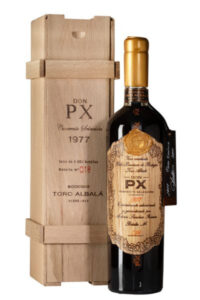
After the grapes were harvested in August, with temperatures up to 45ºC, and after the sun-drying process, a must was produced that, after remaining at rest for a year, entered the wood. It was made in the first week of September. After raisining for 9 days and subsequent pressing, a must with 406 grams of sugar per liter was obtained which, after a period of rest, was alcoholized to 17% degrees of alcohol before being aged in American oak casks.
16% ABV. “The 1977 Don PX Convento Selección has a high-pitched and acute note of caramelized orange peel that gives it a distinct and perhaps more forward profile. It matured in Amontillado casks for over 45 years without being blended, and it aged in different parts of their cellars throughout its life, which they say might add to its complexity. It has 16% alcohol and 395 grams of sugar, not as dense as the others and with a distinct note of cinnamon in the finish. This is gentler, showier, perhaps with a little more makeup but certainly very attractive. They filled 4,800 numbered bottles in January 2024.”
Pedro Ximenez
1980 Toro Albala Don PX Seleccion
A sweet and elegant wine, produced from the “asoleo” process of Pedro Ximénez grapes to obtain a great richness in sugars. After the press, it was left to rest for 12 months and, when the period came to an end, it was stored in American oak butts to age for more than 20 years.
17% ABV. “The 1980 Don PX Selección is said to come from a warm and dry year that favored the raisining of the Pedro Ximénez grapes. This has lots of candied fruit and spice and combines the 17% alcohol with a whopping 340 grams of residual sugar. This aged in American oak butts until its bottling in September 2018. It surprised me with a complex and somewhat savory nose, reminiscent of bitter chocolate, licorice and roasted coffee, carob beans and black pepper. It's super concentrated, dense and pungent, with a savory component, meaning the sugar is not as noticeable as you might think. It came through as complex and layered, very complete and intense.”
Pedro Ximenez
1984 Toro Albala Don PX Seleccion
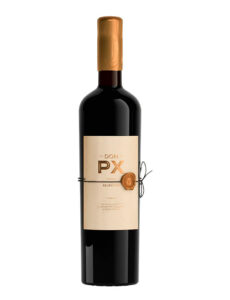 Don PX 1984 is a wine of high persistence and complexity, made from sun-dried Pedro Ximénez grapes to obtain their high sugar content. After pressing, it was left to rest for twelve months in stainless steel tanks and, after that time, it was stored inAmerican oak casks for almost 40 years in static conditions.
Don PX wines are our speciality. We take exclusive care of each one, from harvesting to raisining, giving them a unique personality.
16% ABV. “The 1984 Don PX Selección has tons of cinnamon and vanilla. It was supposed to be a 20-year-old wine, but it shows unusual finesse and complexity, and they kept it apart and gave it a longer élevage. There is a perfumed and floral note here too, reminiscent of violets, but with time, the dark chocolate dominates the nose. The wine is produced with raisins that have been sun dried, pressed and fortified and kept for two years in concrete, during which time it was fortified to reach the desired alcohol, because they feel it gets better integrated that way. Later, the wine matured in ancient American oak casks, where it aged for decades. It has 16% alcohol and 385 grams of sugar, dense and sweet with a bitter note of dark chocolate in the finish. It was bottled in December 2023.”
Place Your Order
Pre-Arrival Offer
You must be logged in to post a comment.