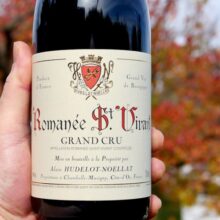
Domaine Hudelot-Noëllat Grand Cru 'Romanée-Saint-Vivant' 2022

Product information

Domaine Hudelot-Noëllat Grand Cru ‘Romanée-Saint-Vivant’ 2022

Pinot Noir from Vosne-Romanée, France, Côte-de-Nuits, Burgundy

$2,485

$2465ea in any 3+
$2445ea in any 6+
Closure: Cork

Description

A highly restrained and decidedly cool nose requires aggressive swirling to coax the wonderfully spicy red pinot fruit, floral and exotic tea scents from the glass. On the palate the super-refined, energetic and well-detailed middleweight flavors possess a lilting, pure and highly refined mouthfeel thanks primarily to the beautifully fine-grained tannins supporting the striking long, balanced and lightly austere finale. This is very classy juice. Don’t miss!

Allen Meadows, Burghound 94-97 Points


The 2022 Romanée-Saint-Vivant Grand Cru unfurls in the glass with scents of cherries, wild berries, rose petals and exotic spices. Full-bodied, fleshy and perfumed, its velvety attack segues into a fleshy, layered, almost unctuous core of lively fruit that’s framed by sweet, powdery tannins, concluding with a long, resonant finish.

William Kelley, The Wine Advocate 94-96 Points

Only 2 left in stock
Check out all of the wines by Domaine Hudelot-Noëllat

Why is this Wine so Yummy?

Hudelot-Noëllat Richebourg and Romanée st Vivant represent the summit of Charles’ considerable achievements and follow, though in a more complex and powerful manner, the general Hudelot-Noëllat line.

Although the 93 year old vines in Romanée st Vivant give it an extra dimension of depth, neither wine is overbalanced by clumsy fruit, which might threaten the underlying finesse. The Richebourg is altogether bigger than the Romanée st Vivant, with great power and majestic depth. The Romanée st Vivant, in contrast, has more obvious refinement and elegance yet with underlying, restrained power.

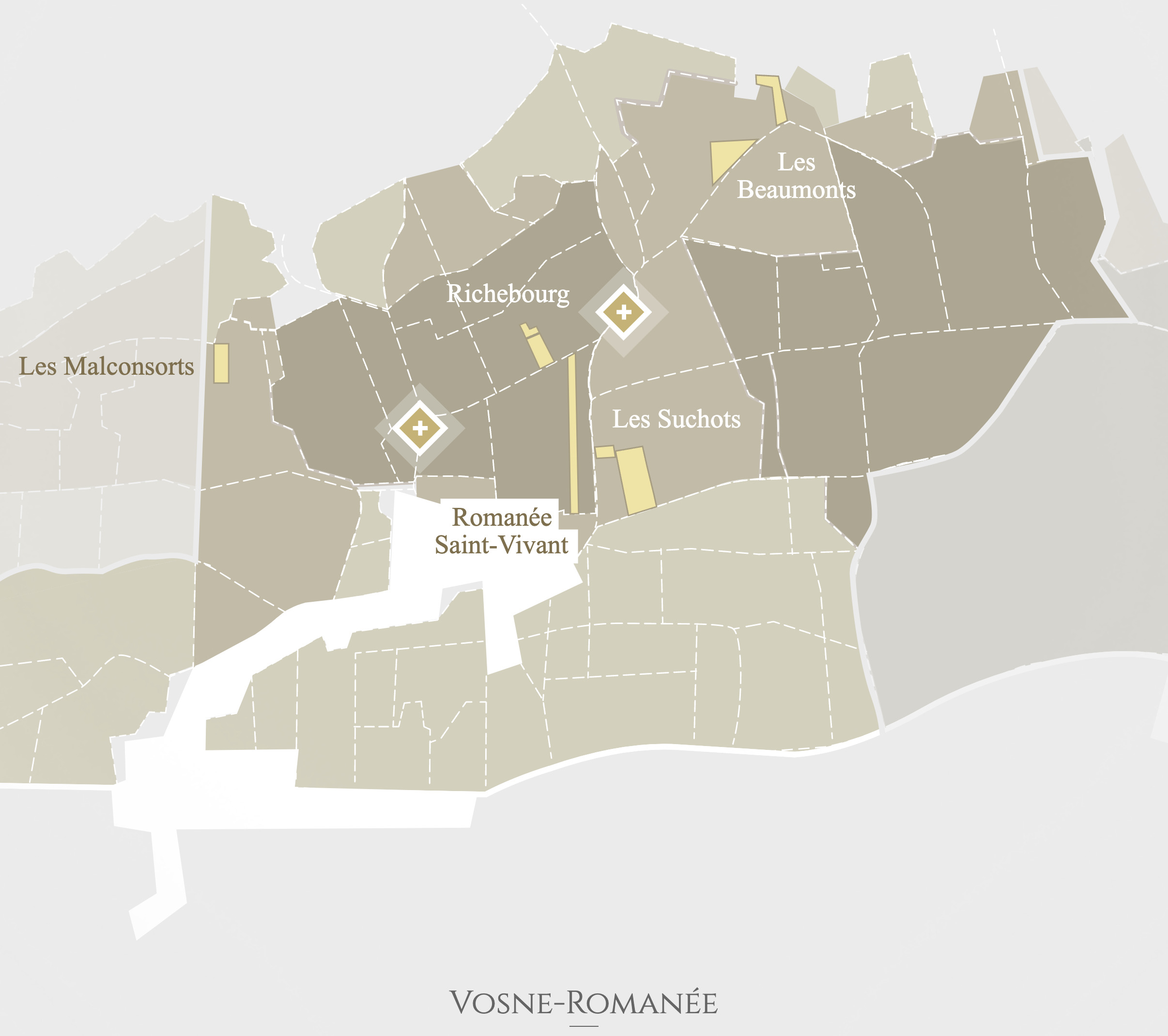
Surface Area: 0.48 ha

Exposure: East

Subsoil: Calcareous Limestone

Production: 2400 bottles

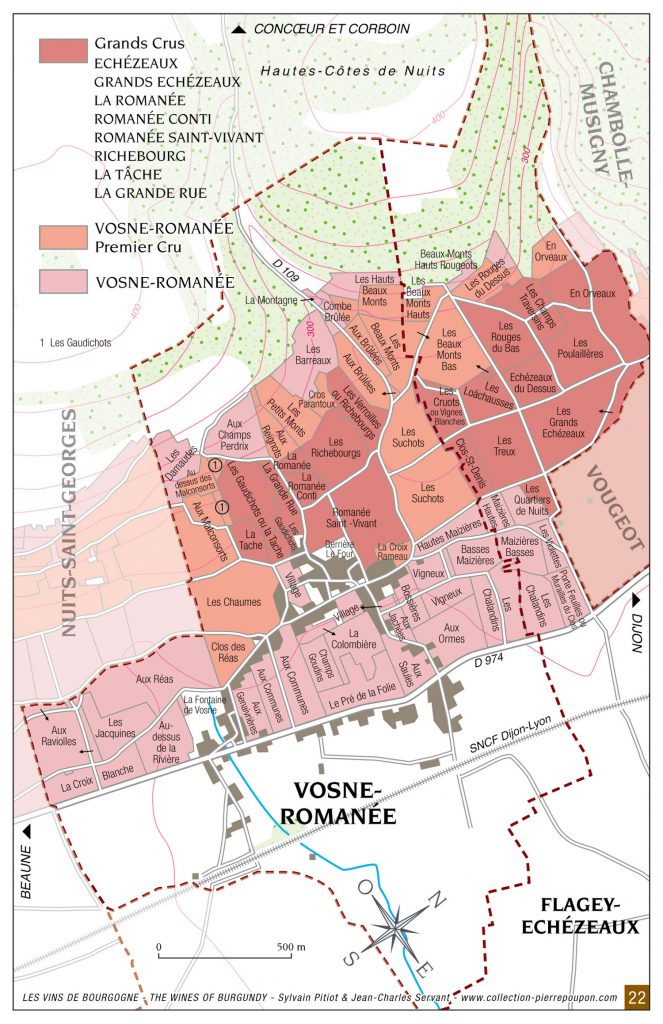
Description: Romanée-Conti lies on brown calcareous soil which is very clayey (60 cm). Romanée-Saint-Vivant has neighbouring soils but deeper (90 cm). Higher on the hillside, La Romanée has a sharp slope (12 %) and a less clayey texture. La Tâche and La Grande Rue share the brown calcareous soils which are not very thick in the upper part, deeper in the lower part (rendzines). It is the same for the Le Richebourg depending on the slope and the side. Sub-foundations: hard calcareous of the Premeaux. Geological origin: Jurassic (175 million years).

Vinification:
– 80% Destemming
– Punching down during grape fermentation
– Fermentation only with indigenous yeasts
– Wines are not clarified or filtered
– Wines are kept for 16 months in oak barrels
– 50% new barrels

About Domaine Hudelot-Noëllat

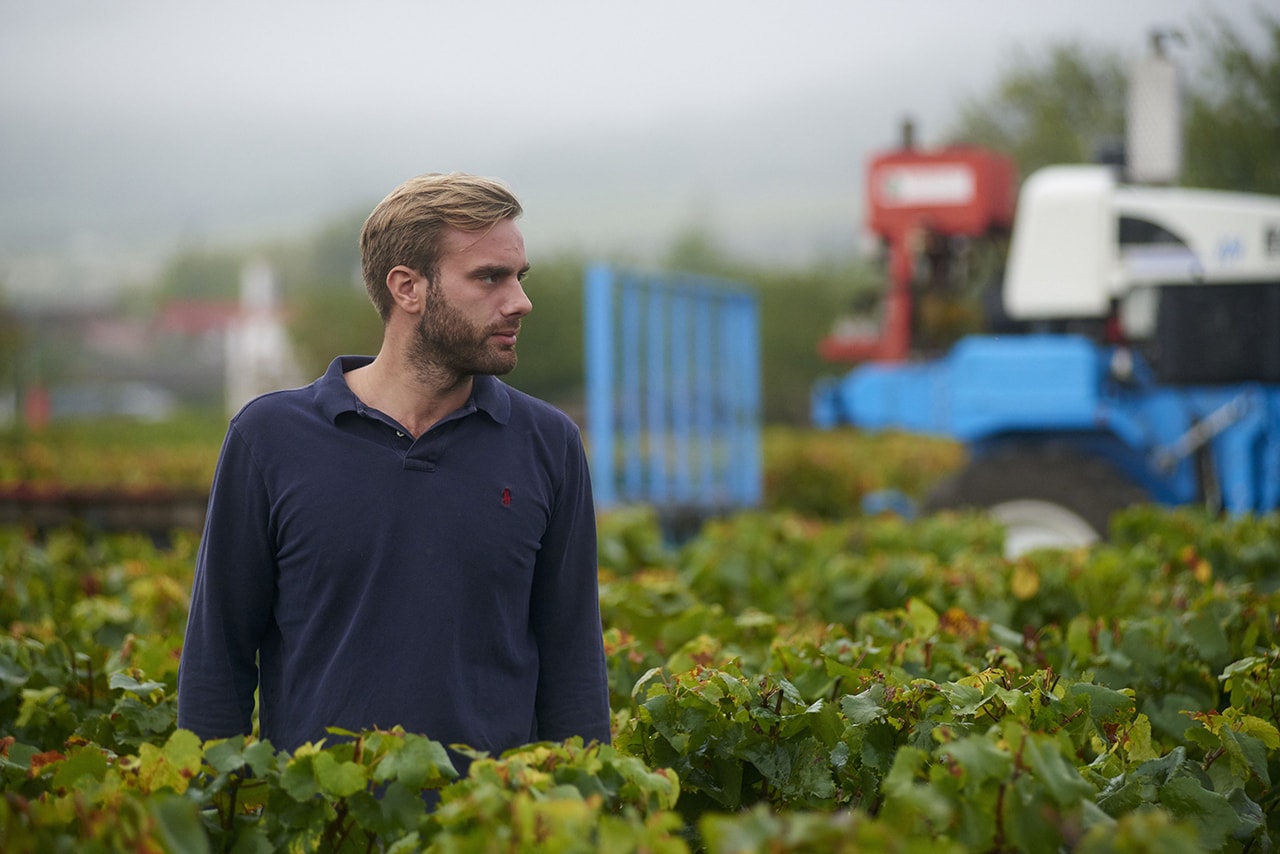
Founded in 1962 by Alain Hudelot, the domain covers 10 hectares spread over 4 villages and 15 designations. Today it is run by his grandson, Charles van Canneyt. Since 2005 Alain had been helped by Vincent Meunier, who continues to work with Charles.

The Romanée St Vivant wines were planted in 1920, and most other crus including Richebourg were planted between 1920-1950.

The Premiere Crus, Vosne Romanée Les Beaumonts, Les Suchots and Malconsorts all consist of almost 100 year old vines and produce the finest examples of these fine terroirs.

In the Vineyard

No work is spared in the vineyards. The philosophy of having healthy vines to lead to healthy grapes in order to make better wines is carefully followed.

In the Winery

During vintage, careful sorting is done in the vineyards followed by detailed further sorting in the winery before the juice is carefully brought into the concrete enameled fermentation tanks. Charles’s philosophy is to keep up to 20% of the stems with the juice, especially in vintages and appellations where the fruit can support the extra tannins. The wines are aged in casks particularly from Allier, with some from the Vosges and local Citeaux.

The 2022 Vintage at Domaine Hudelot-Noëllat

Charles Van Canneyt described 2022 as “one that was certainly less challenging than 2021 but still one that had some challenges anyway, especially after the huge June rainstorm. Even though the summer was hot and dry, there was just enough rain at just the right times to
avoid undue hydric stress. Even so, it wasn’t easy to properly gauge maturities as the ripeness of the tannins seemed to lag that of potential alcohols.

In the end, I chose to wait to pick, figuring that a little extra sugar was better than risking underripe tannins. This is to say that we picked between the 7th and the 12th of September and brought in super-clean fruit that averaged, across all of our appellations, right at 40 hl/ha. Even by waiting, potential alcohols really weren’t all that high as they ranged from 13 to 13.3%, which is pretty much perfect.

For the vinifications I chose to do a saignée of about 10%. I then did a roughly 3-week cuvaison using no whole clusters. The acidities, while by no means high, are respectable as the post- malo pHs averaged 3.55, which again is perfectly good. As to the wines, I am really quite happy with them, particularly since I expect more of a very ripe 2018 style but in fact, they’re cool, balanced and faithfully reflect their terroirs.”

I agree with Van Canneyt regarding the quality of his 2022s as they are indeed excellent.

Allen Meadows, Burghound


Charles Van Canneyt has produced a beautiful range of 2022s—but that won’t surprise readers familiar with this estate’s consistent excellence. Van Canneyt has had the reins here for over a decade now, and his approach has crystalized: the predominantly destemmed fruit, retained intact, is fermented in cement tanks for a classical maceration of two to three weeks.

Élevage is in barrels now predominantly sourced from Cavin, with Cadus in a supporting role, and lasts fully 18 months, with the exception of the Bourgogne Rouge, which is bottled before harvest. These uncomplicated methods, combined with an enviable palette of appellations planted with notably old vines, produce elegant, charming wines with impressive substance and aging potential. I’ve been buying them for my own cellar since my student days, so this is an address I warmly recommend.

William Kelley, The Wine Advocate

Where in the World is Domaine Hudelot-Noëllat?

Domaine Hudelot-Noëllat is based in Chambolle-Musigny with an impressive array of vineyards through Vougeot, Vosne-Romanée, Chambolle-Musigny, Nuits-Saint-Georges & Meurault.

Click to enlarge 🔎
Click to enlarge 🔎
94-96 Points

The 2022 Romanée-Saint-Vivant Grand Cru unfurls in the glass with scents of cherries, wild berries, rose petals and exotic spices. Full-bodied, fleshy and perfumed, its velvety attack segues into a fleshy, layered, almost unctuous core of lively fruit that's framed by sweet, powdery tannins, concluding with a long, resonant finish.

William Kelley, The Wine Advocate

94-97 Points

A highly restrained and decidedly cool nose requires aggressive swirling to coax the wonderfully spicy red pinot fruit, floral and exotic tea scents from the glass. On the palate the super-refined, energetic and well-detailed middleweight flavors possess a lilting, pure and highly refined mouthfeel thanks primarily to the beautifully fine-grained tannins supporting the striking long, balanced and lightly austere finale. This is very classy juice. Don't miss!

Allen Meadows, Burghound

Where in the world does the magic happen?

Domaine Hudelot Noellat, Ancienne Route Route Nationale 74, Chambolle-Musigny, France

Vosne-Romanée
Côte-de-Nuits
Burgundy
France