Size & Type
Other

Burgundy
Mid-way between Beaune and Paris, the Chablis winegrowing region stretches over around 20 communes. Nestled among the valleys and wooded hilltops, the vineyards cover the hillsides running alongside the pretty Serein Valley. The vines sink their roots deep into the clay-limestone soil, drawing on them for their characteristic mineral aromas, to the delight of Chablis drinkers.
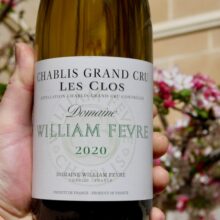
Here, Chardonnay reigns supreme. It is used for all Chablis wines and has made them famous around the world. The most highly prized among them is the wines classified Chablis Grand Cru, with its green-gold color and perfect balance between liveliness, dryness and acidity.
There are 3 other classifications.
Chablis Premier Cru wines. This appellation encompasses a wide range of aromas from the most mineral to the most floral.
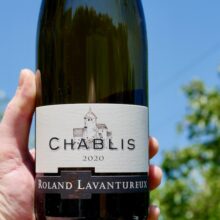
Chablis wines are very dry, and stand out with their freshness and sophistication.
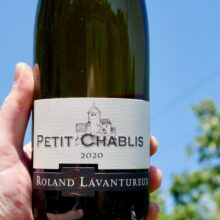
Petit Chablis are wines rich in aromas of white blossom and citrus and are light and full of life.
Back in the early naughties, we were hoovering Chablis from the early 1970’s. When the Tsunami hit, wheelbarrows of Grand & 1er Cru’s were arriving from the auction houses at around $14 a bottle. By the time it receded, after everyone else had caught on, they were up at around $40 a bottle and still a bargain. Purity, complexity, amazing texture, lovely lines of acid were the hallmarks of these incredible wines. Testut et Fréres Grenouille featured! Such a great vineyard.
It’s wines like these that both inspire and excite!
While we were drinking Grand Cru and Premier Cru wines back then, today with dedicated work in the vineyard and winery we are seeing exceptional Chablis and Petit Chablis wines being produced.
The total area under production is 3,367 Ha
Area in production (2018): 100 ha.
Chablis with seven officially delineated Grand Cru climats, covering an area of 247 acres (100 hectares), all located on one southwest facing hill overlooking the town of Chablis. There is one vineyard, La Moutonne, located on this hill between the Grand Cru vineyards of Les Preuses and Vaudésir that is considered an “unofficial” Grand Cru and it will appear on wine labels. However, the Institut National des Appellations d’Origine (INAO) does not recognize La Moutonne as a Grand Cru.
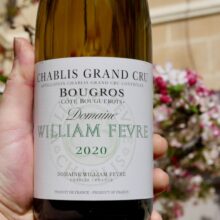
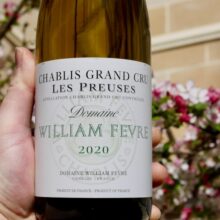
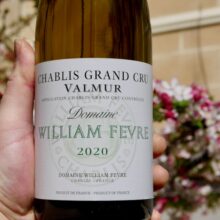
The seven Grand Cru are Blanchot, Bougros, Les Clos, Grenouilles, Preuses, Valmur, Vaudésir.
Area under production (2018): 783 ha.
At the turn of the 21st century, there were 40 Premier cru vineyards in Chablis. In 2009, the official list was expanded to 89 vineyards. The names of many of these vineyards do not appear on wine labels because of an INAO allowance that permits the use of “umbrella names” – where smaller, lesser known vineyards are allowed to use the name of a nearby more famous Premier cru vineyard. Seventeen of the most well known “umbrella” vineyards are bolded below.
Chablis + Petit Chablis make up the balance of the area.
White wines only – Chardonnay (locally known as « Beaunois »).
I suspect we will see increasing experimentation with Pinot as the climate warms.
Viticulture in Chablis follows similar lines to that in burgundy with close planted vines low to the ground. As in so many parts of the world we are seeing more and more growers shift to sustainable biological viticutlure with many switching to organics and biodynamics.
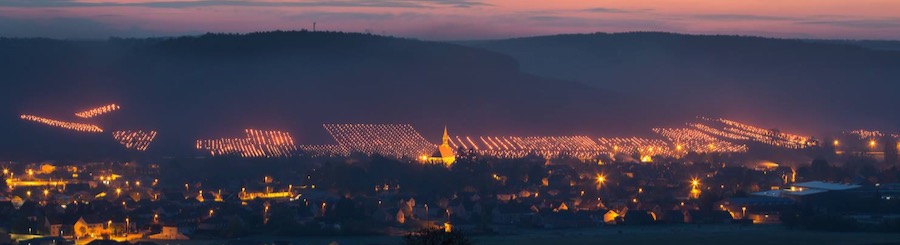
The region is prone to frost risk and it’s not uncommon to see smudge pots burning across the vineyards during the growing season.
Like every wine region of the world Chablis has been exposed to advances in modern winemaking technology, shifts in stylistic interpretations, and, preferences, and of course the impact of climate change.
The most significant areas of change have been in temperature-controlled fermentation, use of malolactic fermentation, use of oak, and, reduction in chaptalisation due to warmer riper vintages.
As you’d expect, those makers looking after their vineyards, achieving flavour ripeness early, able to pick early enough to retain natural acidity and judiciously apply use of oak are making exhilarating wines.
The devil in the detail with key elements including fruit handling to achieve the right levels of phenolic extraction, exposure to oxygen as juice, fermenting wine, and post-fermentation, use of wild yeast, lees contact, lees stirring, tank vs old vs new oak ratios, and time maturing pre-bottling.
Whilst depth, length, balance, complexity, freshness, and, development all play their part, it’s the texture of the great Chablis’ that sets them apart!
Check out the article ‘Getting Your Head Around Burgundy Part 10 – Chablis’. It covers Chablis in more detail, including videos explore the geology, geography and climate + a video 🎥 session with Bernard Raveneau!
Showing of wines
Chardonnay from Chablis, Burgundy
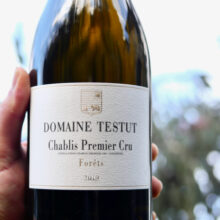
The richest of the 1ers! Richer and more out to play there’s plenty of fruit drive here. Honeyed, a little nutty with maple at play, crème patissere. Generosity from this warmer site is tempered by a line of acid. That long ferment mid-palate with a little baking spice, pop of cracked yeast. Long.
Chardonnay from Chablis, Burgundy
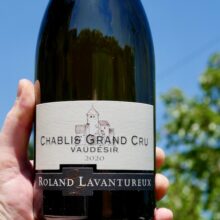
“A dollop of wood sets off a ripe mix of both white and yellow orchard fruit laced with nuances of iodine and seashore. There is fine mid-palate density to the intense and saline-suffused flavors that terminate in an agreeably clean and dry finish. This could use better depth but since it always seems to age extremely well, more should develop if giving a chance. Worth checking out.❤️ Outstanding ”Burghound
Chardonnay from Chablis, Burgundy
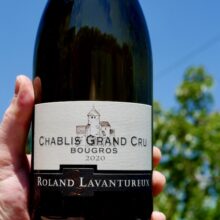
“A deft touch of wood sets off the ripe aromas of white orchard fruit, sea breeze and a hint of shellfish. The delicious and slightly richer flavors possess a touch more volume on the seductively textured, mouth coating and firmer finale. This is also lovely for its level and worth checking out." Drink 2025+ ❤️ Outstanding Top valueAllen Meadows, Burghound 89-92 Points
Chardonnay from Chablis, Burgundy
The name of this appellation comes from Mont de Lieu which marks the border between Burgundy and Champagne, illustrated by a marker stone dividing the two duchies which can be found on its summit. With a double exposure moving from south to southeast facing, this terroir benefits from a higher average temperature and more sunshine than the other Premiers Crus.
Chardonnay from Chablis, Burgundy
The name of this appellation comes from Mont de Lieu which marks the border between Burgundy and Champagne, illustrated by a marker stone dividing the two duchies which can be found on its summit. With a double exposure moving from south to southeast facing, this terroir benefits from a higher average temperature and more sunshine than the other Premiers Crus.The 2019 Chablis 1er Cru Mont de Milieu unwinds in the glass with notions of orange oil, clear honey, beeswax and white flowers. M
Chardonnay from Chablis, Burgundy
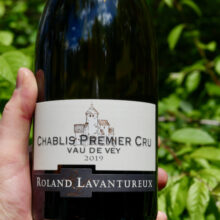
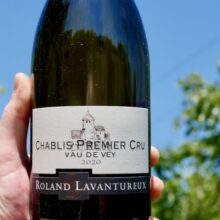
“A relatively young estate, Lavantureux is definitely a domaine to watch. Arnaud and David are now running things, with a recent 0.95ha acquisition in Vau de Vey. Farmed by hand, this is a delightful Premier Cru which emphasises the character of this steep, stony climat. Lovely density on the palate with an intriguing lime character, balanced by mineral, flinty notes and a touch of creamy oak adding more complexity. Subtle and nuanced.”Decanter
Chardonnay from Chablis, Burgundy
“Pure mid yellow. Soft fruit on the nose. Lean with lemons and lime but enough volume of fruit with a salivatory fresh acidity behind, and very good length.”Jasper Morris 90-93 Points
Chardonnay from Chablis, Burgundy
Smoky aromas of shellfish and Granny Smith apples gives way to more voluminous flavors that enjoy better acid support on the balanced and sneaky long finish. This isn't exactly classic in style but it's close and is a wine that offers fine quality for its level. Allen Meadows, Burghound 89-91 Points
Chardonnay from Chablis, Burgundy
Aromas of apples, peach, toasted nuts and iodine introduce the 2023 Chablis Village, a medium to full-bodied, satiny and suave wine that's round and seamless, concluding with a sapid finish.William Kelley, The Wine Advocate 90 PointsMineral reduction and citrus dominate the more complex and slightly freshy nose at present. There is equally good freshness and energy to the delicious, rich and sappy medium weight flavors that possess better depth and persistence on the balanced finale.
Chardonnay from Chablis, Burgundy
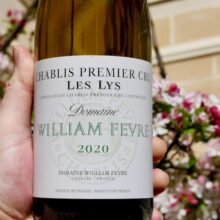
The 2020 Chablis 1er Cru Les Lys is also especially good this year, delivering aromas of white flowers, citrus oil, freshly baked bread and bee pollen. Medium to full-bodied, satiny and incisive, with a fleshy core of fruit and racy girdling acids, this cool, marl-rich site has evidently excelled in 2020.William Kelley 93+ points – The Wine Advocate
Chardonnay from Chablis, Burgundy
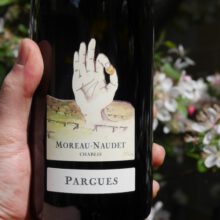
Les Pargues is a Chablis lieu-dit situated on a ridge between Montmains and Vosgros. It has the same exposure as the 1er Crus of Vaillons and Montmains, so it’s a very handy site. The story goes that this site was originally classified as a 1er Cru level vineyard (pre-AOC), before being largely abandoned during WWI (when there was a labour shortage). Regardless of this story, locals rightly speak very highly of this site. The vines in Moreau’s tiny parcel average 50-plus years old and 15-
Chardonnay from Chablis, Burgundy
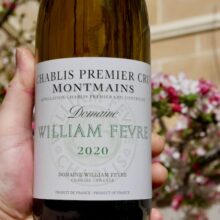
A domaine wine composed of <40% Butteaux plus some Forêts and Montmains proper in roughly equal amounts.Consisting of roughly equal parts Montmains, Butteaux and Forêts (the three sous-climats of Montmains), the 2020 Chablis 1er Cru Montmains offers up aromas of crisp green apple, white flowers, bee pollen and oyster shell. Medium to full-bodied, satiny and concentrated, it’s taut and precise, concluding with a saline finish. Drink: 2023 - 2045William Kelley, The Wine Advocate
No wines match your filters
Try removing a filter or broadening your selection.
We couldn't load the wines just now.
You've seen all wines
wines