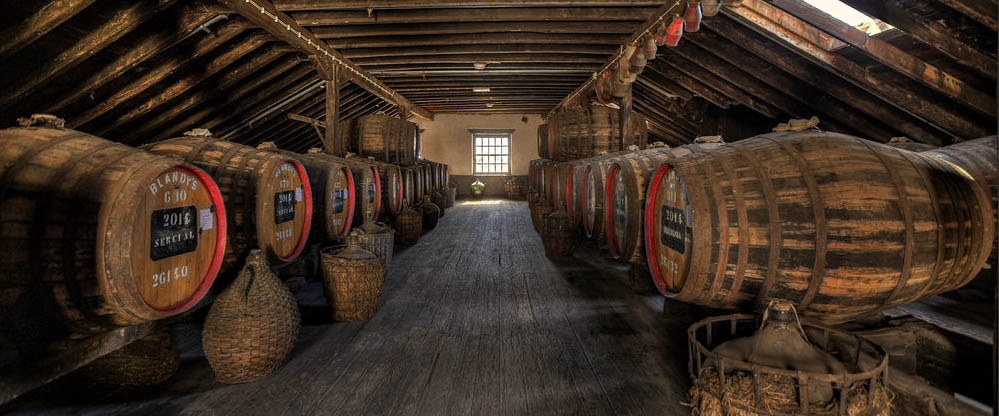

Estufa is a Portuguese word meaning ‘hothouse’ or ‘stove’, which is also applied to the tanks used to heat wine on the island of Madeira, thereby accelerating its development and maturation. The heating process itself is called estufagem.
The estufagem process is what makes Madeira wine so unique. Estufas simulate the effects of the long tropical sea voyages in the 18th and 19th centuries when Madeira was (at first accidentally and then deliberately) stowed in the hold of a ship to age prematurely as a result of the temperature changes involved in a round trip across the tropics. This madeirisation – the combination of heat and oxidation – is what produces Madeira’s distinctive profile, producing flavours of dried and cooked fruit, caramel, smoke and rancio characters.
Production revolves around the use of the estufa system and its natural alternatives. There are three main methods are used to heat age the wine, used according to the quality and cost of the finished wine: Cuba de Calor, Armazém de Calor and Canteiro.
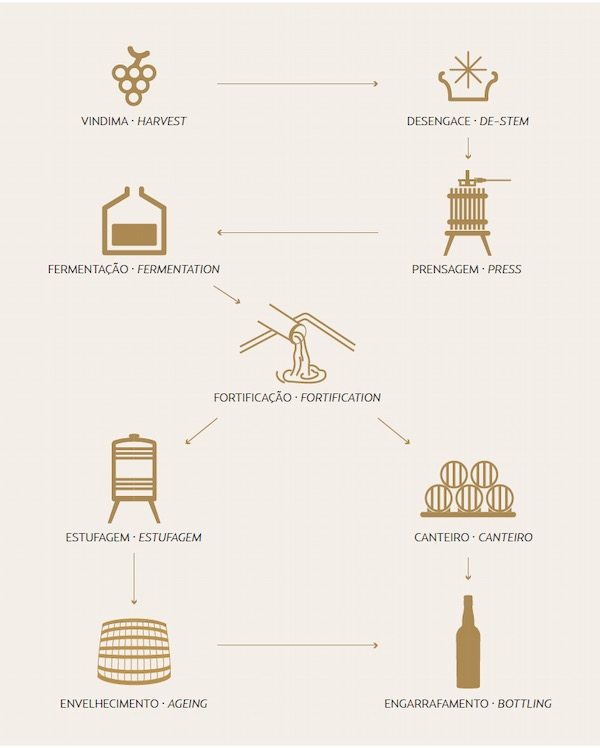
The image below illustrates the key steps involved in the Madeira winemaking, including the different estufagem processes:
Cuba de Calor
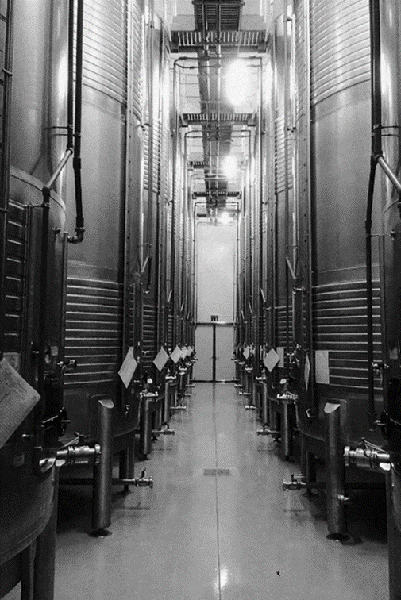
The most common method, used for low cost Madeira, is bulk aging in low stainless steel or concrete tanks surrounded by either heat coils or piping that allow hot water to circulate around the container. The wine is heated to temperatures as high as 55 °C for a minimum of 90 days as regulated by the Madeira Wine Institute. However, the Madeira is most commonly heated to approximately 46 °C.
Armazém de Calor
This process is used exclusively by the Madeira Wine Company and method involves storing the wine in large wooden casks in a specially designed room outfitted with steam-producing tanks or pipes that heat the room, creating a type of sauna. Temperatures usually range between 30 °C and 40 °C. This process more gently exposes the wine to heat, and can last from six months to over a year.
Canteiro
The highest quality Madeiras wines are aged without the use of any artificial heat at all. These Madeiras are left to age naturally in 600L pipes (oak casks) stowed under the eaves of lodges in Funchal, heated only by the sun. These vinhos de canteiro mature in cask for at least 20 years, although some may remain in this state for a century or more before bottling, and are usually destined for vintage lots.
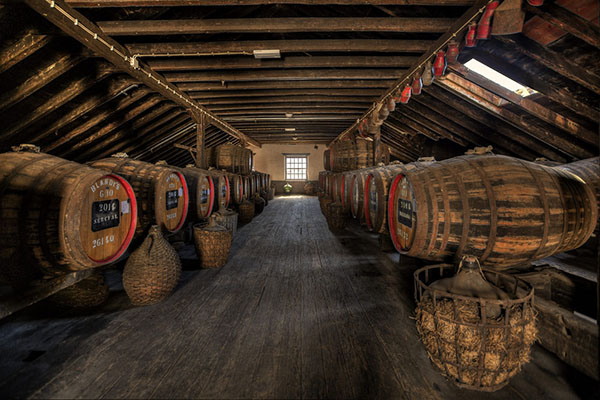
The word “canteiro” derives from the name of the traditional supporting beams on which the oak casks are placed. This unique process consists in the ageing of the wines in seasoned oak casks for a minimum period of four years. The casks are never 100% full, which allows the wine to slowly oxidize and to transform the primary aromas into tertiary aromas or the classical “Madeira Bouquet” of spices, roasted nuts, dried fruits smoke, amongst many others. On average, the company loses 7% of volume of wine per year through evaporation and it is the winemaker’s decision when to transfer the wine from the hottest attic floors to the lower cooler floors that ensures that this loss of volume is controlled. This natural heating over time also leads to the progressive concentration of the wine. Wines produced in the canteiro system are stored in casks by the variety name and vintage year.
This process is used by many of the top Madiera brands, including Broadbent and Justino’s. Justino’s produces more than 50% of all Madeira. Adding in the other brands owned by Justino’s, such as Henriques & Henriques, the family which owns Justino’s is responsible for producing over 70% of all the Madeira on the island.
When I was at Yarra Yering we set up an Estufa, using the Canteiro process kicking of with a few barrels made from Viognier. Not quite sure what ever happened to it!
« Back to Wine Words Index

You must be logged in to post a comment.