Size & Type
Other

Italy
Like many regions around the world, a warming climate has seen vignerons in Piedmont having to refine their viticulture and winemaking to produce wines with freshness and energy.
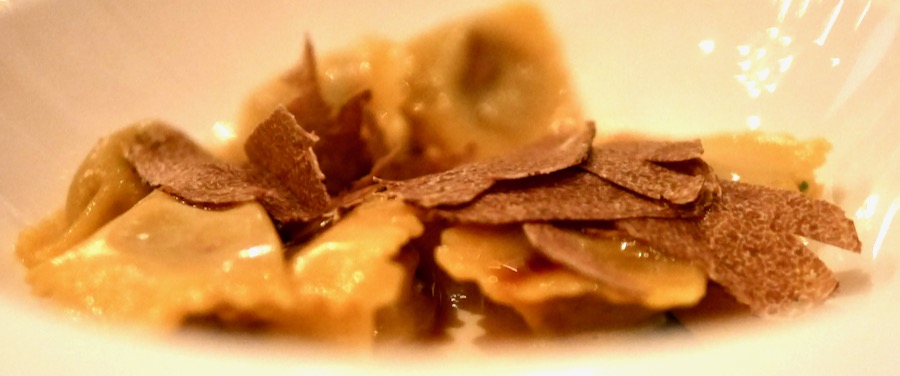
Piedmont is also home to Nutella, the hazelnuts from the region are insane, the truffles of Alba and the industry titan FIAT.
First Records of Wine Production
Early records of wine production in Piedmont date back to the 14th century. In those days the wines being produced were very different. Sweet reds were the norm. Giuseppe Rinaldi recounting the history of Barolo talks of sweet reds being produced well into the early 20th century. Very different to the great Barolo and Barbaresco wines made today!
Production
Piedmont produces somewhere between 200-300 million liters of wine each year.
Including 42 DOC’s and 17 DOCG’s, the quality classifications the Italian’s use DOCG being the best DOC the next best.
It incorporates an incredible diversity of some of the worlds most stunning vineyards, with significant differences in soil, aspect, influences from the surrounding Alps and water bodies like the Tanaro river in Barbaresco. Such diversity gives us wonderful diversity of wines to drink!
Established Regions
When we think of Piedmont our minds immediately shift to the regions in the south, Barolo and Barbaresco, home to the world’s great Nebbiolo producers. If we add the Roero and Asti into the mix. These cover the majority of the wine produced in Piedmont.
Barolo and Barbaresco are Italy’s answer to Burgundy. Over the last 50-70 years, their vineyards have been well defined and categorised, the push to single vineyard, single variety wines completed. Like Burgundy, a new generation has tried all of the new techniques and now finds comfort with making wines of purity over such as heavy handed extraction and new oak use. Their success, and, the money it has bought has allowed the investment of time into vineyards and practical technologies like sorting tables and temperature controlled fermenters in the wineries.
Up and Coming Regions
The success of Barolo and Barbaresco has seen both the price of the wines and vineyards sky rocket. Drinkers looking for value and wineries looking for affordable land have been moving further afield. It started with the Roero, now we are seeing regions in the Alto Piemonte further north on the ascension. Look out for Spanna AKA Nebbiolo wines often blended with Vespolina from Boca, Ghemme, Bramaterra, Carema, Fara, Sizzano, Gattinara and Lessona. Roberto Conterno of Giacomo Conterno recently took over Nervi in Gattinara now Nervi-Conterno giving you some idea of how the potential locals see in Alto Piemonte.
Most Common Varieties
In addition to the current crop of popular varieties, the Italians have been increasingly looking to save ancient varieties. Not long ago the white Arneis was almost non-existent. You won’t see Nascetta listed in too many wine resources, yet, there is a dedicated group of Piemontese looking to revive this delicious white grape, think Cogno & Rivetto.
Like most regions of the world, we see experimentation with non-traditional varieties too. Winemakers are playing with Riesling, Chardonnay, Viognier, Pinot Noir, Cabernet Varieties and Syrah.
White
Arneis, Moscato (22%) often as Moscato d’Asti a low alcohol moderately fizzy wine, Cortese, and, Nascetta. In the eastern reaches of Piedmont the Colli Tortonesi region is rising to fame on the back of Timorasso, fast becoming one of Italy’s most important whites.
Red
The big 3 are Barbera (31%) the most widely planted grape in the region and for good reason, Nebbiolo (10%), Dolcetto (13%). Lesser known varieties include Freisia and Pelaverga. In Alto Piemonte use the name Spanna instead of Nebbiolo and you’ll often see them blended with Vespolina. The Italian daily drink is Barbera and Dolcetto, before the more cerebral Nebbiolo.
Showing of wines
Timorasso from Colli Tortonesi, Piedmont
Straight out of the gate these two top Timorassos from Claudio are again very, very good. Finer and more linear than the Calvallina, with those lemon citrus oils that delight. Lovely, refreshing. Phenolics with a light hand adding textural intrigue along with the lees. Florals and perfume entrance with grace floating above the glass. Complex funk building as it opens. Yet another success from Claudio Mariotto!Gambero Rosso Tre Bichierre Winner 🍷🍷🍷
Nebbiolo from Barbaresco, Piedmont
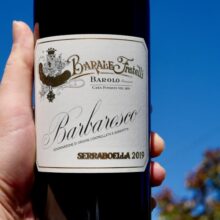
Excellent drinking for the coin. Beautifully balanced. Wonderful tannins, mineral with a light dusting of layered ripe tannins. Core of fruit is superb. Epically drinkable. Long slatey, slightly tarry edge. Hint of spice. Such a refreshing delicious drink. Long, complete, layered and harmonious.Paul Kaan, Wine DecodedThe Albino Rocca 2021 Barbaresco is a big surprise. This wine is fresh and bright, showing enormous focus and purity on the bouquet. There is impressive complexity too w
Nebbiolo from Barbaresco, Piedmont
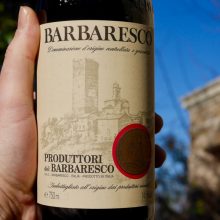
The 2022 Barbaresco is a pretty rich, heady wine. Dark cherry/plum fruit, cloves, licorice and mocha build as the 2022 shows o its considerable depth. This is one of the few 2022s that is quite resonant texturally. The aromatics could be more lifted and the tannins could use a bit more polish, but those qualities were next to impossible to come by in 2022. The inclusion of some juice from Riserva lots in a great help. This is a stellar showing. Drink 2027-2034Antonio Galloni, Vinous 93 Point
Nebbiolo from Treiso, Barbaresco
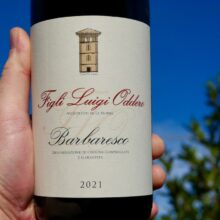
Elegant, fine, grape first and just delicious. Settling and opening in the glass. Sitting in a sweet spot. Beautifully refined texture. Long, even and slatey in a good way. Serious wine at the price point. Vibrant acidity, salty and a little bloody, with a gently tarry, alpine note. Excellent shape flow and persistence. Harmony. Give this a few years and you’ll go to a happy place. Licks of spice, background orange citrus hum. Bright red fruits. Great to see a Barbaresco Classico from the Odde
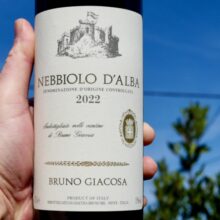
Giacosa’s Nebbiolo d’Alba uses fruit sourced solely from the Roero area, and the wine alongside both the Arneis and Nebbiolo Valmaggiore from here have a long and storied history with Bruno Giacosa. It is no coincidence that 1974 saw the first bottling of both Arneis and Nebbiolo d’Alba from Giacosa, as they were sourced from the same growers. The same is mostly true today, and where the Arneis is grown in the predominantly North-facing slopes of the vineyards in Roero, the Nebbiolo comes
Nebbiolo from Commune di Barolo, Barolo
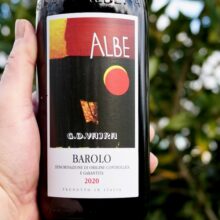
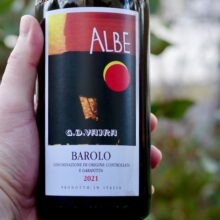
You can't beat this value. The G.D. Vajra 2020 Barolo Albe is buttoned up with fresh primary fruit, and the wine does not have that hint of over-ripeness that is found across this vintage. The fruit is dark and savory, and there is a big mineral component to match, but the bouquet is nicely redolent of dark currant, plum, granite and a raspy dry note that brings crushed shale to mind. The tannins are quite impactful, and they give this wine extra runway for moderate bottle aging.Monica Larne
Nebbiolo from Barolo, Piedmont
Immediate generosity with plenty to offer from time in bottle. A complete wine. Perfumed, chocolatey and rich. Beautifully weighted with a sense of clarity. Vibrant, refreshing acid and ripe, layered nutty tannins. Loads of energy.ID 94 Points GW 94 Points80% La Morra**Arriving in multiple tranches beginning September + beginning of October 2025**
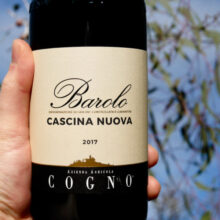
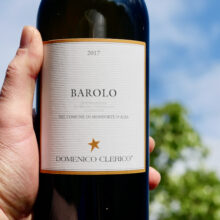
A very pretty entry-level offering from Elvio Cogno. Bright red berry and lifted floral notes pair nicely with the wine's gracious, mid-weight feel. Silky tannins match the wine's finely sculpted, saline-infused personality. "The 2017 Barolo Cascina Nuova is an attractive wine to drink now and over the next decade or so. Bright red-toned fruit, crushed rose petal and mint open in the glass. The tannins are a bit grainy, but I would not push my luck too far on aging."Antonio Galloni, Vinous
Nebbiolo from Monforte d'Alba, Barolo
From Ravera in Monforte. As the vines age they will make Barolo! From Ravera in Monforte, this is made from the youngest vines (that will eventually be made as Barolo) and is made the same way as her three Barolos and then aged in barriques for twelve months. As a baby Barolo, this has some serious pedigree with rich, plush fruit of red berries with crushed flowers. Hard to beat for the money and an ‘affordable’ cellaring option.
Nebbiolo from Commune di Barolo, Barolo
The 2019 Albe is looking good with loads of energy. There's a nice build in density and quality tannins that are layered and ripe with excellent weight. Darker fruits. It’s good to see this looking so vibrant, flowing and fun. Delicious. Baking spice, woody herb & lick of licorice very good. Full of energy. Great drinking.This is certainly one of the most popular and versatile wines made in Italy, and deservedly so. The well-priced G.D. Vajra 2019 Barolo Albe shows some ripe fruit
Nebbiolo from Neive, Barbaresco
They understand the rule book so have thrown it away only to be used when they know they need to. I guess that's what 150 years of making wine can give you! The 2016 of this was a cracker. True to the vintage & site with bold yet refined structure. The 2019 is again a cracker and true to vintage. This time all grace and elegance from what is proving a classic year.Beautifully weighted, the body of this slightly warmer vineyard with the clarity and sophistication of 2019 Barbaresco. Rich
No wines match your filters
Try removing a filter or broadening your selection.
We couldn't load the wines just now.
You've seen all wines
wines