Size & Type
Other

Italy
Like many regions around the world, a warming climate has seen vignerons in Piedmont having to refine their viticulture and winemaking to produce wines with freshness and energy.
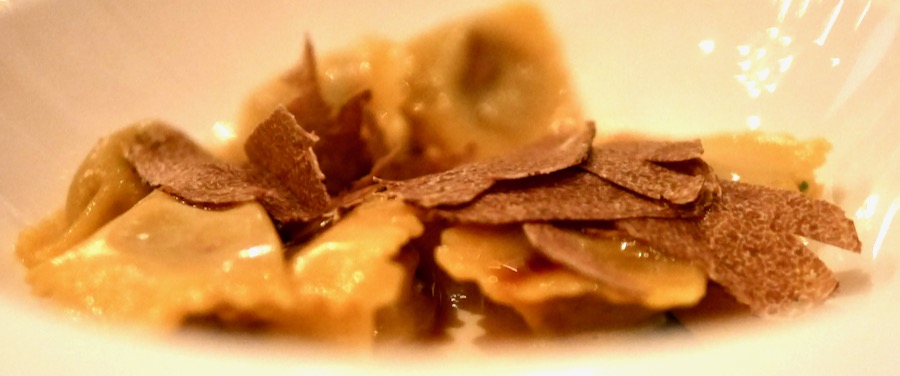
Piedmont is also home to Nutella, the hazelnuts from the region are insane, the truffles of Alba and the industry titan FIAT.
First Records of Wine Production
Early records of wine production in Piedmont date back to the 14th century. In those days the wines being produced were very different. Sweet reds were the norm. Giuseppe Rinaldi recounting the history of Barolo talks of sweet reds being produced well into the early 20th century. Very different to the great Barolo and Barbaresco wines made today!
Production
Piedmont produces somewhere between 200-300 million liters of wine each year.
Including 42 DOC’s and 17 DOCG’s, the quality classifications the Italian’s use DOCG being the best DOC the next best.
It incorporates an incredible diversity of some of the worlds most stunning vineyards, with significant differences in soil, aspect, influences from the surrounding Alps and water bodies like the Tanaro river in Barbaresco. Such diversity gives us wonderful diversity of wines to drink!
Established Regions
When we think of Piedmont our minds immediately shift to the regions in the south, Barolo and Barbaresco, home to the world’s great Nebbiolo producers. If we add the Roero and Asti into the mix. These cover the majority of the wine produced in Piedmont.
Barolo and Barbaresco are Italy’s answer to Burgundy. Over the last 50-70 years, their vineyards have been well defined and categorised, the push to single vineyard, single variety wines completed. Like Burgundy, a new generation has tried all of the new techniques and now finds comfort with making wines of purity over such as heavy handed extraction and new oak use. Their success, and, the money it has bought has allowed the investment of time into vineyards and practical technologies like sorting tables and temperature controlled fermenters in the wineries.
Up and Coming Regions
The success of Barolo and Barbaresco has seen both the price of the wines and vineyards sky rocket. Drinkers looking for value and wineries looking for affordable land have been moving further afield. It started with the Roero, now we are seeing regions in the Alto Piemonte further north on the ascension. Look out for Spanna AKA Nebbiolo wines often blended with Vespolina from Boca, Ghemme, Bramaterra, Carema, Fara, Sizzano, Gattinara and Lessona. Roberto Conterno of Giacomo Conterno recently took over Nervi in Gattinara now Nervi-Conterno giving you some idea of how the potential locals see in Alto Piemonte.
Most Common Varieties
In addition to the current crop of popular varieties, the Italians have been increasingly looking to save ancient varieties. Not long ago the white Arneis was almost non-existent. You won’t see Nascetta listed in too many wine resources, yet, there is a dedicated group of Piemontese looking to revive this delicious white grape, think Cogno & Rivetto.
Like most regions of the world, we see experimentation with non-traditional varieties too. Winemakers are playing with Riesling, Chardonnay, Viognier, Pinot Noir, Cabernet Varieties and Syrah.
White
Arneis, Moscato (22%) often as Moscato d’Asti a low alcohol moderately fizzy wine, Cortese, and, Nascetta. In the eastern reaches of Piedmont the Colli Tortonesi region is rising to fame on the back of Timorasso, fast becoming one of Italy’s most important whites.
Red
The big 3 are Barbera (31%) the most widely planted grape in the region and for good reason, Nebbiolo (10%), Dolcetto (13%). Lesser known varieties include Freisia and Pelaverga. In Alto Piemonte use the name Spanna instead of Nebbiolo and you’ll often see them blended with Vespolina. The Italian daily drink is Barbera and Dolcetto, before the more cerebral Nebbiolo.
Showing of wines
Dolcetto from Monforte d'Alba, Barolo
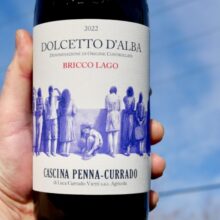
Vineyards lie in Monforte, in an area with particularly great natural biodiversity. Elena and Luca strongly believe in Dolcetto as an important “tool” for young wine drinkers and their entry level exposure to the Langhe. The grapes are vinified whole cluster and aging takes place in stainless steel for this fragrant rendition of Dolcetto.
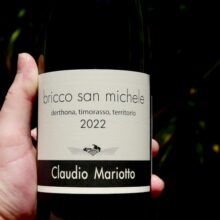
Timorasso from Colli Tortonesi, Piedmont
NOTE on the 2022: An excellent follow up to the 2021. A slightly more generous iteration. All of the elements once again at play. Texture, clever use of oxidative handling to build intrigue whilst maintaining a core of vibrant fruit and mineral acidity. Citrus zest and oils with pears and a little candied ginger. White flowers dance over the top with a little savoury hit. Flowing and luscious, chalky, savoury, spiced, sapidity in a cleansing way. Plenty of intrigue and interest here. An exceptio
Timorasso from Colli Tortonesi, Piedmont
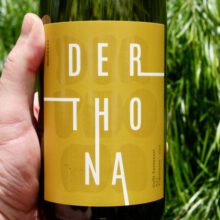
The 2024 sees a fuller, more textural wine than the 2023. The more golden colour the first indication. Textural, every so slightly oily phenolics and a gentle oxidative hand yield a complex, intriguing wine. Jasmine and white flowers lift from the glass over spices, white stone fruit and a little something exotic. Viognier and Chenin feels are playing around the edges. Elegant honey mixes with pops of cumquat and citrus zest. Mouthcoating with a transparency and a little pith at play. A demonstr
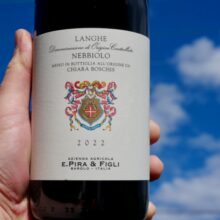
Nebbiolo from Barbaresco, Piedmont
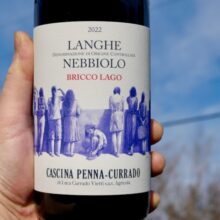
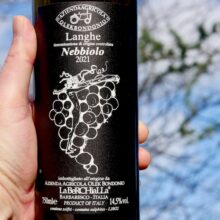
A Langhe Nebb made from young vine Rabajà .. Yes it's true! Always a fun wine. Elegant and juicy fruited, with solid core of fruit wrapped in chewy tannins. It’s a playful Langhe. Typically perfumed with a savoury twang, a little orange. Loads of fun to be had here. Always better after an extra year in bottle & a good decant. Will reward 2-5 years patience.The 2021 Langhe Nebbiolo emerges from young vines in Trifolera. It's a gorgeous entry-level wine with tons of Nebbiolo charact
Dolcetto from Monforte d'Alba, Barolo
The Dolcetto grapes we produce come from our own vineyards, where we find soils typical of the Helvetian region (ancient in origin, calcareous-clayey with shades of pale gray and pink. Alternating layers also include siliceous sandstone, calcium carbonate, and iron). The color is intense ruby red with purple highlights. The persistent floral and fruity aromas of sweet violets and small red fruits give it a pleasant immediacy. Its moderate tannins and balanced, elegant structure make it the quint
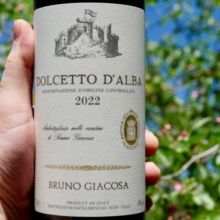
Dolcetto from Neive, Barbaresco
Many of Barolo's greats would argue that you should judge a maker on their Dolcetto before their Nebbiolo! Giacosa does Dolcetto justice. The missing links for Dolcetto are typically sorting reduction and developing the wine sufficiently. Giacosa jumps those hurdles with ease and breezes past the finish line with quality fruit & considered handling to offer us a wine with a refined mouthfeel.Savoury, vibrant, dark, with an excellent core of fruit thirst-quenching and delicious. Straight
Nebbiolo from Monforte d'Alba, Barolo
Finally got my laughing gear around this (Aug 2024). Classic structured Monforte! A day of air brings out the perfume and harmonises and softens the tannins. A classic tar and roses profile lifts from the glass with sour cherry and blood playing around red and blue fruits with baking spice and a cleansing sappiness. The elegance and transparency of the fruit profile is dominated by some serious tannin of very high quality so typical of Monforte. It will take time to resolve full, when it does th
Nebbiolo from Neive, Barbaresco
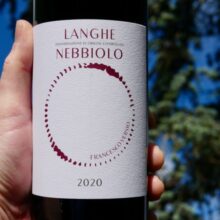
The 'Side Project' of ex-Bruno Giacosa's winemaker Francesco Versio ... His 1st Langhe Neb Release! There is no mistaking the quality here. It all makes sense when you discover the fruit is destined to make Barbaresco, sourced from the 50:50 Starderi and Currà cru. Seriously good P.1.S.S. Call it a cheap Barbaresco instead of a Langhe Neb. Perfume and energy with divine mouthfeel. Juicy, thirst quenching and still with plenty more to come!
Timorasso from Colli Tortonesi, Piedmont
Released 6 months later than the 2020 and it shows immediately. The extra time offers up a beautifully resolved wine. There’s something about the texture, aroma and flavour profile of good Italian white. That silvery line of bitterness that graces the finish. Out to play, seamless, the texture is refined with an excellent phenolic play married to fine acid. When Pietro visited Wine Deoced HQ we talked of the gentle development large oak casks offer whilst retaining freshness in a wine. This is
Nebbiolo from Barolo, Piedmont
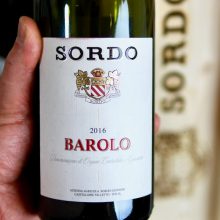
From the Perfume of Barbaresco, the Barolo shifts to a savoury, earthy profile, the richness of La Morra fruit shining through! 80% La Morra. Immediate generosity has it open for action but so much more. A little chocolate and little coffee, savoury bits on dark fruit. There is a lot going on here with layers of flavours and tannins. The depth and length are impressive. Wonderful harmony and presence.Full, dense and obviously really bright. Rose, maraschino, fleshy red plum/red prune. More
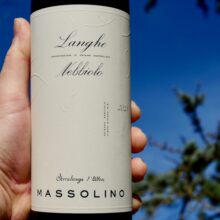
Nebbiolo from Castiglione Falletto, Barolo
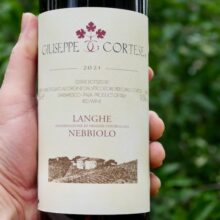
2019 is the first vintage of Langhe Nebbiolo to be produced. It is made from a small part of vines registered as Nebbiolo Langhe in the Vignane MGA (in Barolo, next to Castellero) as well as some declassified fruit from the Barolo parcels. In 2019, the Nebbiolo was fermented on skins for about 10 days before being racked to preserve fruit and freshness. It went through malo in steel and was transferred to a single 1000L Mittelberger botti for aging. This is super fresh and aromatic with Baro
No wines match your filters
Try removing a filter or broadening your selection.
We couldn't load the wines just now.
You've seen all wines
wines