Size & Type
Other

Italy
Like many regions around the world, a warming climate has seen vignerons in Piedmont having to refine their viticulture and winemaking to produce wines with freshness and energy.
Piedmont is also home to Nutella, the hazelnuts from the region are insane, the truffles of Alba and the industry titan FIAT.
First Records of Wine Production
Early records of wine production in Piedmont date back to the 14th century. In those days the wines being produced were very different. Sweet reds were the norm. Giuseppe Rinaldi recounting the history of Barolo talks of sweet reds being produced well into the early 20th century. Very different to the great Barolo and Barbaresco wines made today!
Production
Piedmont produces somewhere between 200-300 million liters of wine each year.
Including 42 DOC’s and 17 DOCG’s, the quality classifications the Italian’s use DOCG being the best DOC the next best.
It incorporates an incredible diversity of some of the worlds most stunning vineyards, with significant differences in soil, aspect, influences from the surrounding Alps and water bodies like the Tanaro river in Barbaresco. Such diversity gives us wonderful diversity of wines to drink!
Established Regions
When we think of Piedmont our minds immediately shift to the regions in the south, Barolo and Barbaresco, home to the world’s great Nebbiolo producers. If we add the Roero and Asti into the mix. These cover the majority of the wine produced in Piedmont.
Barolo and Barbaresco are Italy’s answer to Burgundy. Over the last 50-70 years, their vineyards have been well defined and categorised, the push to single vineyard, single variety wines completed. Like Burgundy, a new generation has tried all of the new techniques and now finds comfort with making wines of purity over such as heavy handed extraction and new oak use. Their success, and, the money it has bought has allowed the investment of time into vineyards and practical technologies like sorting tables and temperature controlled fermenters in the wineries.
Up and Coming Regions
The success of Barolo and Barbaresco has seen both the price of the wines and vineyards sky rocket. Drinkers looking for value and wineries looking for affordable land have been moving further afield. It started with the Roero, now we are seeing regions in the Alto Piemonte further north on the ascension. Look out for Spanna AKA Nebbiolo wines often blended with Vespolina from Boca, Ghemme, Bramaterra, Carema, Fara, Sizzano, Gattinara and Lessona. Roberto Conterno of Giacomo Conterno recently took over Nervi in Gattinara now Nervi-Conterno giving you some idea of how the potential locals see in Alto Piemonte.
Most Common Varieties
In addition to the current crop of popular varieties, the Italians have been increasingly looking to save ancient varieties. Not long ago the white Arneis was almost non-existent. You won’t see Nascetta listed in too many wine resources, yet, there is a dedicated group of Piemontese looking to revive this delicious white grape, think Cogno & Rivetto.
Like most regions of the world, we see experimentation with non-traditional varieties too. Winemakers are playing with Riesling, Chardonnay, Viognier, Pinot Noir, Cabernet Varieties and Syrah.
White
Arneis, Moscato (22%) often as Moscato d’Asti a low alcohol moderately fizzy wine, Cortese, and, Nascetta. In the eastern reaches of Piedmont the Colli Tortonesi region is rising to fame on the back of Timorasso, fast becoming one of Italy’s most important whites.
Red
The big 3 are Barbera (31%) the most widely planted grape in the region and for good reason, Nebbiolo (10%), Dolcetto (13%). Lesser known varieties include Freisia and Pelaverga. In Alto Piemonte use the name Spanna instead of Nebbiolo and you’ll often see them blended with Vespolina. The Italian daily drink is Barbera and Dolcetto, before the more cerebral Nebbiolo.
Showing of wines
Opening with juby cherry fruit that resolved beautifully in the glass, a slight lift in the structural tannins compared with the Ravera, remaining plush & playful! The star cru of an otherwise workmanlike comune, this is exactly why Monvigliero is so widely appreciated. It has the range of generous Barolo things; cherry and strawberry notes now, probably in youthful mode, but with the usual cherry-skin, raisin and smoky elements just apparent. Overall such an ambassador for Barolo, just this sid
Nebbiolo from Castiglione Falletto, Barolo
Showing tannins of Castiglione Falletto, even and long. Darker and brooding. This is going to a cracker in time. Was immense after a day in the glass! This is the darkest of the 4 Castiglione cru, with its dark red fruits of cherry and cranberry. It usually shows more immediate plummy ripeness and overt generosity, but this time it’s more tightly wound. Plenty of texture and flavour, but needs time. A beauty.
Nebbiolo from Monforte d'Alba, Barolo
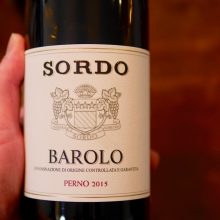
Took the second longest to reveal more of itself. Like the other wines in the bracket it demands time in the bottle. Perfume combined with secondary complexity the name of the game here! This is all Monforte, with giveaway blue fruits, violet, cherry liqueur and some mint. Firm, taut and fleshy, this is typical of this part of Perno, the Cerretta parcel, immediately adjoining Conterno-Fantino’s, with which it shares a similar darker ‘blue’ style. Tannins seem very ripe this year…but they
Nebbiolo from Castiglione Falletto, Barolo
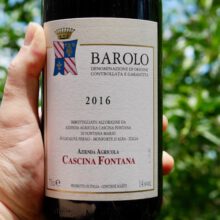
Undoubtedly the best Fontana Barolo Classico I’ve had! Brooding yet open - perhaps explained by the mix of Castiglione Falletto (brooding) and La Morra (open) fruit.Undoubtedly the best Fontana Barolo Classico I’ve had. A little sappy, resinous (in a nice way) layer of tannin combines with ripe even line of nutty tannin, fruit comes, building through the mid palate and lingers. This just needs time. It has that Castiglione Falleto youthful brooding nature to it. Give it a couple of yea
Nebbiolo from Barolo, Piedmont
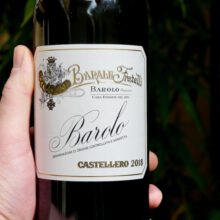
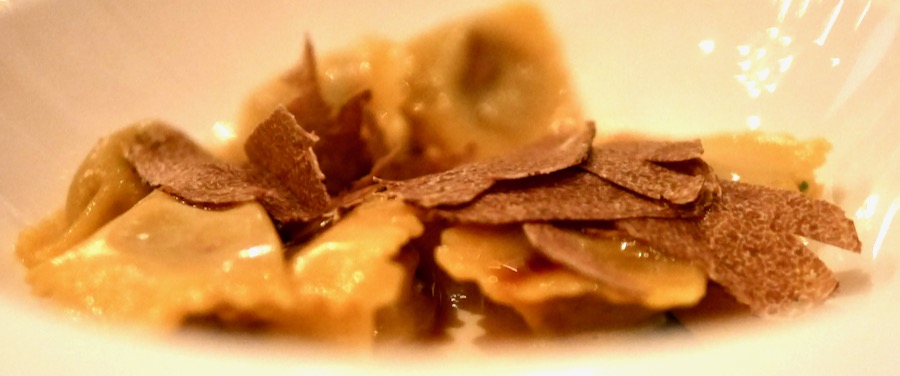
A Divine Expression! This builds nicely in the glass, as a young wine, and has a presence and length about it. A full mid-palate carries through with excellent persistence. The energy of 2018 is present with fine acid and a complex set of intriguing flavours, a background resinous note over savoury, truffled fruit that has been beautifully developed draws you in. There’s some clever thinking in the making here.
Nebbiolo from Barolo, Piedmont
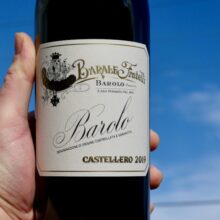
An excellent stepwise jump in quality commensurate with the price. Building in depth and length with a matched build in seriously good grape tannins. Again the flow and shape. Long, even, divine. Such a beautiful wine. Incredible complexity and harmony make for a seamless wine that you can’t separate the individual aromas and flavours.Wonderful fruit, savoury notes, baking spice, woody herbs tea. Every sniff reveals another perfume. This is very very good enveloping you in pleasure even at
Nebbiolo from Bussia, Monforte d'Alba
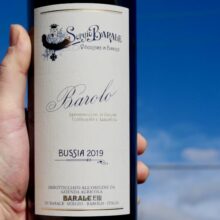
Moving to Monforte at the top of Bussia we see the hallmarks of the top Bussia. The acid tannin complex is true to the form for the commune showing a playful grip. Bright red fruit with a certain delicacy combine with energetic acid.Again a beautiful perfume with a dark mineral slatey edge. Blood orange and a little phenol. Another great example of grape first Barolo showing its part of the commune of Monforte. Like the Monrobiolo a few more years in bottle will see this resolve, build and
Nebbiolo from Barbaresco, Piedmont
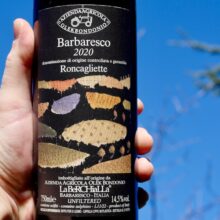
From the same vineyard that offers us Gaja's Sori Tildin, we have Olek's Roncagliette! Tasting the 2020 (Oct 2023) 6 months after it's Oz release again demonstrated Olek's incredible touch. The man understands textures and tannins, creates wines with insane perfumes and layer after layer of divine flavours.On release it was quite bold. Now, everything is dialing into the right levels. The fruit has pulled back a little and the perfume is building. The shape and flow I've come to expect from
Nebbiolo from La Morra, Barolo
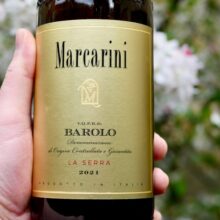
A very strong La Serra from Marcarini. Oppulent, generous, shows off the Commune of La Morra in full flight! Savoury, with a drip of salty blood over red fruit and blood orange. Flowing, plush, round & fine. Delicious. The best La Serra in years. Beautiful development. Ripe, fine tannins. A long, long finish. Incredibly moreish even at this youthful point in its life! Will make for a lovely comparison with Sordo’s 2021 La Serra.Paul Kaan, WINE DECODED Sept 2025The 2021 Barolo
Nebbiolo from Castiglione Falletto, Barolo
A blend of fruit from 30% La Morra’s Rive, 30% Castiglione Falletto’s Scarrone, & 40% Serralunga’s Baudana & Broglio. Aged in new 75-85HL Gamba botti for 26 months. "Rose, ripe berry, menthol and sunbaked earth aromas come to the forefront. On the full-bodied palate, enveloping, seasoned tannins accompany dried black cherry, star anise and tobacco. Drink 2024–2029."Kerin O'Keefe
Nebbiolo from Castiglione Falletto, Barolo
A blend of fruit from 30% the plush La Morra Rive, 30% the flowing tannins of Castiglione Falletto’s Scarrone, & 40% structural acid-driven Serralunga vineayrds of Baudana & Broglio. Wonderfully fine tannins and core of fruit. A beautiful core of fruit, long fine excellent transparency. Delicate and beautiful. Earthy, truffled, an underlayer of perfume. Tasting the 2020 Langhes, 2019 Barbaresco Rombone, 2019 Barolo and the singular 2019 Rocche Rivera there is a thread of sophistica
Nebbiolo from Barbaresco, Piedmont
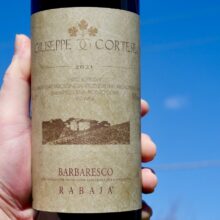
🍇RABAJÀ RABAJÀ RABAJÀ 🇮🇹 The 2019 Barbaresco Rabaja is a powerful, austere wine that is going to need a number of years to come around. I very much like the energy, but readers should not plan on opening a bottle any time soon, as the 2019 is seriously tannic and shut down at the moment. It’s a gorgeous Barbaresco that shows the more elegant hand that defines the approach today.Antonio Galloni, Vinous 94 PointsThe Rabajà sees a jump in sophistication depth and length.
No wines match your filters
Try removing a filter or broadening your selection.
We couldn't load the wines just now.
You've seen all wines