Italy
Piedmont
Like many regions around the world, a warming climate has seen vignerons in Piedmont having to refine their viticulture and winemaking to produce wines with freshness and energy.
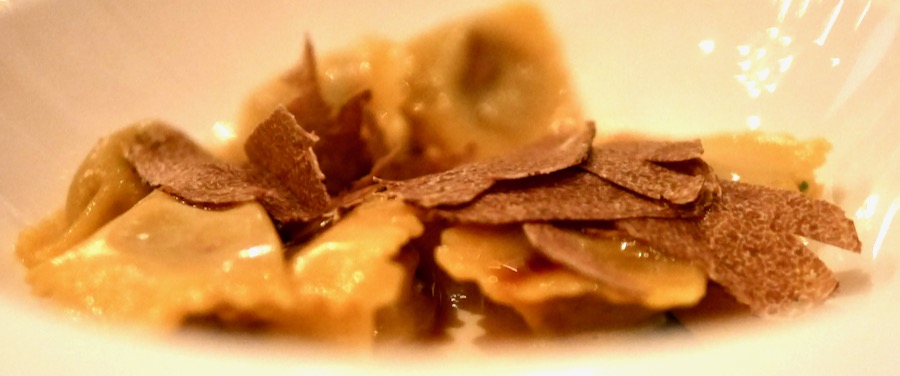
Piedmont is also home to Nutella, the hazelnuts from the region are insane, the truffles of Alba and the industry titan FIAT.
First Records of Wine Production
Early records of wine production in Piedmont date back to the 14th century. In those days the wines being produced were very different. Sweet reds were the norm. Giuseppe Rinaldi recounting the history of Barolo talks of sweet reds being produced well into the early 20th century. Very different to the great Barolo and Barbaresco wines made today!
Production
Piedmont produces somewhere between 200-300 million liters of wine each year.
Including 42 DOC’s and 17 DOCG’s, the quality classifications the Italian’s use DOCG being the best DOC the next best.
It incorporates an incredible diversity of some of the worlds most stunning vineyards, with significant differences in soil, aspect, influences from the surrounding Alps and water bodies like the Tanaro river in Barbaresco. Such diversity gives us wonderful diversity of wines to drink!
Established Regions
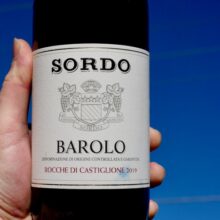
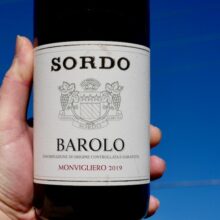
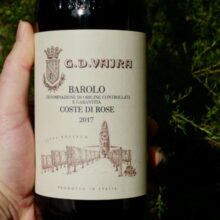
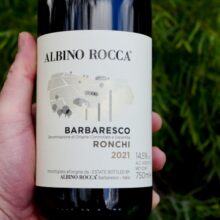
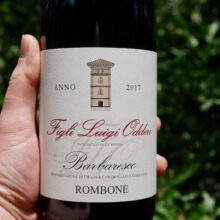
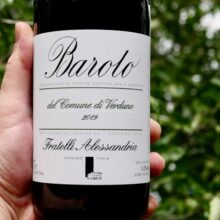
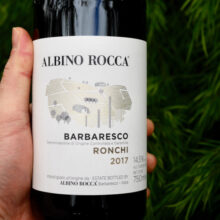
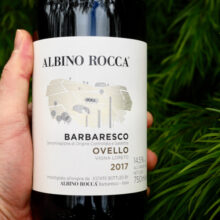
When we think of Piedmont our minds immediately shift to the regions in the south, Barolo and Barbaresco, home to the world’s great Nebbiolo producers. If we add the Roero and Asti into the mix. These cover the majority of the wine produced in Piedmont.
Barolo and Barbaresco are Italy’s answer to Burgundy. Over the last 50-70 years, their vineyards have been well defined and categorised, the push to single vineyard, single variety wines completed. Like Burgundy, a new generation has tried all of the new techniques and now finds comfort with making wines of purity over such as heavy handed extraction and new oak use. Their success, and, the money it has bought has allowed the investment of time into vineyards and practical technologies like sorting tables and temperature controlled fermenters in the wineries.
Up and Coming Regions
The success of Barolo and Barbaresco has seen both the price of the wines and vineyards sky rocket. Drinkers looking for value and wineries looking for affordable land have been moving further afield. It started with the Roero, now we are seeing regions in the Alto Piemonte further north on the ascension. Look out for Spanna AKA Nebbiolo wines often blended with Vespolina from Boca, Ghemme, Bramaterra, Carema, Fara, Sizzano, Gattinara and Lessona. Roberto Conterno of Giacomo Conterno recently took over Nervi in Gattinara now Nervi-Conterno giving you some idea of how the potential locals see in Alto Piemonte.
Most Common Varieties
In addition to the current crop of popular varieties, the Italians have been increasingly looking to save ancient varieties. Not long ago the white Arneis was almost non-existent. You won’t see Nascetta listed in too many wine resources, yet, there is a dedicated group of Piemontese looking to revive this delicious white grape, think Cogno & Rivetto.
Like most regions of the world, we see experimentation with non-traditional varieties too. Winemakers are playing with Riesling, Chardonnay, Viognier, Pinot Noir, Cabernet Varieties and Syrah.
White
Arneis, Moscato (22%) often as Moscato d’Asti a low alcohol moderately fizzy wine, Cortese, and, Nascetta. In the eastern reaches of Piedmont the Colli Tortonesi region is rising to fame on the back of Timorasso, fast becoming one of Italy’s most important whites.
Red
The big 3 are Barbera (31%) the most widely planted grape in the region and for good reason, Nebbiolo (10%), Dolcetto (13%). Lesser known varieties include Freisia and Pelaverga. In Alto Piemonte use the name Spanna instead of Nebbiolo and you’ll often see them blended with Vespolina. The Italian daily drink is Barbera and Dolcetto, before the more cerebral Nebbiolo.