Size & Type
Other

Location
One thing is certain, you’ll never run short of choice!
First Records of Wine Production – Go back millennia!
Founding Figures – The Greek colonisation marked a shift from vine grown in the wild to planned viticulture around 800 BC the Romans dramatically expanded production around 200 BC. The Italians never looked back!
Area Planted – Around 700,000 hectares making around 19% of the world’s wine!
Number of Wineries – Soave alone is made by 3,500 producers. That’s around the same number of wineries as in all of Australia! From gargistes to industrial scale conglomerates every Italian has a winemaker in the family.
Established Regions – Every region in Italy produces wine! The most prestigious region Piedmont is home to the stunning Nebbiolos of Barolo & Barbaresco. The Chianti and Brunello of Tuscany following hot on Piedmont’s heals. These are just a drop in the ocean!
In typical Italian style the classification systems of each region vary and are often skewed by influential persons with much to gain over the quality of the industry. As always we need to rely on our taste buds as the ultimate decider of quality!
Most Common Varieties – In his book ‘Native Wine Grapes of Italy’ Ian D’Agata documents around 500 Italian grape varieties, by no means the complete set! Around 350 of these have been granted authorized status. There’s plenty to try! We’ve seen a push to save some of the notable, rare varietals like the white Nascetta and Arneis from Piedmont.
Whilst we have seen an ingress of French Varietals, the most notable being the Cabernet Varietals + Syrah used to make the Super Tuscans, the Italians have, by and large stayed true to their roots.
White – Whites of note: Arneis (Piedmont), Cataratto (Sicily), Fiano (southwest coast), Friulano (Friuli), Gargenaga (Veneto – the Soave grape), Greco di Tufo (southwest coast), Malvasia Bianca (throughout Italy), Moscato Blanc (Piedmont), Pecorino (Abruzzo), Pinot Grigo (Why?), Ribolla Gialla (Friulli), Trebbiano (Abruzzo), Verdicchio (Marche) and Vermentino (Sardinia, Tuscany and Liguria).
Red – Aglianico (Campania), Barbera (Piedmont), Corvina blended with Rondinella to make Amarone, Dolcetto (Piedmont), Malvasia Nera (Puglia), Montepuliciano (Tuscany), Nebbiolo (Piedmont), Negaromaro (Puglia), Nero d’Avola (Sicily), Primitivo (Puglia), Sagrantino (Umbria) and Sangiovese (Tuscany).
Up and Coming Regions – Beyond Barolo and Barbaresco, around the world we have seen Amarone, Chianti, Soave, Prosecco, Verdicchio and the wines of Puglia gain strong recognition. In recent times the increasing cost of Barolo in particular has seen exploration of Nebbiolo from Alto Piedmonte and Valtellina. At the opposite end of the country, in part due to the investment of heavy hitters like ‘Barolo Boy’ Marco di Grazie (Terre Nere) and Andrea Franchetti (Passopisciaro) the Nerello Mascelese (red) and Carricante (white) wines of Etna, Sicily have become world recognised. Nerello Mascelese being described as some as the Barolo of the South or a cross between Nebbiolo and Pinot. I prefer to call it delicious!
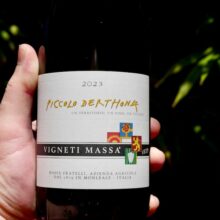
Showing of wines
Nebbiolo from Serralunga d'Alba, Barolo
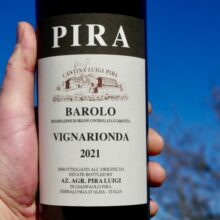
This is the replanted portion of Vigna Rionda, stil too young to be worthy of the Barolo classification. The 2019 was awarded 98 Points by the Wine Doctor.Crafted by Davide Rosso and Andrea Delpiano from their Serralunga d’Alba estate vineyards. The purity of expression of nebbiolo is breathtaking, and while many of us will find it challenging to wait, these are wines of considerable ageing potential.
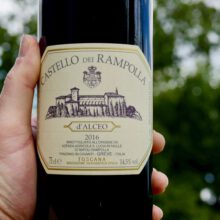
Red Blend from Greve UGA, Chianti Classico
From high density plantings of Cabernet and Petit Verdot. This show how good Bordeaux blends can be in Italy and just how different they are from their French counterparts! Jumping from 4,000 vines a hectare to 8-10,000. Grown as bush vines. Immediate oppulence and generosity on the nose. The structural element from the tannin are very different from the tannins of Bordeaux, edgy again in a good way. Such complexity with a layer of macerative characters and the perfume they can offer. Vibrant
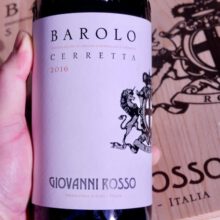
Nebbiolo from Serralunga d'Alba, Barolo
Owned by the Rosso family since 1920, the plot was partly replanted in 1984 and 2000. Situated about 2 miles (3km) to the north of Serralunga village, Cerretta lies close to the hamlet of Baudana and envelops that of Cerretta.The fruit for this Cru wine comes from the best parcel which is shaped like an amphitheatre facing south-east. This part of the vineyard provides a particularly good micro-climate for Nebbiolo since it is protected from stronger winds by the copse at the bottom of the s
Red Blend from Valpolicella, Veneto
More explosive fruit in the ca del merlo with blackberry and bright savoury cherry /cassis notes. The palate is rich with plenty of red dark fruit and layers of dry herbs and spice. Finishes firm, tight and precise.55% Corvina and Corvinone, 30% Rondinella, 15% Cabernet Sauvignon, Cabernet Franc, Nebbiolo, Croatina, Sangiovese
Red Blend from Valpolicella, Veneto
Classic Valpolicella blend , with a ripe cherry nose as well as mineral and spice. Amazing depth and concentration in this wine with a very fine steely mineral core. Amazing freshness for the warmer year and super elegant finish.Corvina, Corvinone, Rondinella
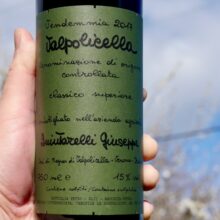
Red Blend from Valpolicella, Veneto
The 2018 Valpolicella Classico Superiore pulls the taster close to the glass with a darkly alluring blend of dried roses, violets, crushed stone, clove and blood orange. It washes across the palate with silken textures, lifted and finessed in the style of the vintage, as ripe wildberry fruits swirl beneath an air of sweet lavender. The word ethereal comes to mind as the 2018 tapers off with sweet tannins that provide a lovely framework to perfumed inner florals and hints of blackberry that reson
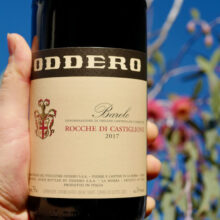
Nebbiolo from Castiglione Falletto, Barolo
Rocche di Castiglione has to be one of my favourite Crus. The wines have incredible harmony, they are just so complete.I haven't had the chance to try this. I have devoured the 2017 Villero from just around the corner. Given Oddero's consistency through their range I'd say you're in for very safe bet here!The 2017 Barolo Rocche di Castiglione is a beautiful wine that captures the natural intensity of the year while maintaining the style of the site. Silky aromatic and wonderfully nua
Nebbiolo from Sassella, Valtellina
As with the 2015 I found myself not really wanting to write tasting notes simply wanting to devour the glass! Although it was line ball between the 2015 Inferno and Sassella I always lent toward the Sassella as a personal preference. ArPePe have delivered a cracker. Sassella typically produces the most elegant wines of the three communes with Inferno next and Grumello the boldest.The weight of the Sassella is on par with the Inferno this year. This has excellent shape on palate. A nice step
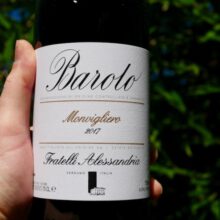
'The 2019 Barolo Monvigliero shows a medium dark garnet appearance with an especially focused quality of fruit. There is wild cherry and Japanese plum, but the Monvigliero cru also delivers crushed rose, earthy iris root, candied orange peel with clove and dustings of black pepper. The wine is exceedingly silky and polished in texture, but its inherent complexity is never diminished. It should be interesting to revisit this bottle after the 10-year mark. This estate was the first to bottle a Mon
Red Blend from Greve UGA, Chianti Classico
This show how good Bordeaux blends can be in Italy and just how different they are from their French counterparts! Jumping from 4,000 vines a hectare to 8-10,000. Grown as bush vines. Immediate oppulence and generosity on the nose. The structural element from the tannin are very different from the tannins of Bordeaux, edgy again in a good way. Such complexity with a layer of macerative characters and the perfume they can offer. Vibrant acidity and flowers from the Petit Verdot. d'Alceo is a wo
Red Blend from Greve UGA, Chianti Classico
This show how good Bordeaux blends can be in Italy and just how different they are from their French counterparts! Jumping from 4,000 vines a hectare to 8-10,000. Grown as bush vines. Immediate oppulence and generosity on the nose. The structural element from the tannin are very different from the tannins of Bordeaux, edgy again in a good way. Such complexity with a layer of macerative characters and the perfume they can offer. Vibrant acidity and flowers from the Petit Verdot. d'Alceo is a wo
No wines match your filters
Try removing a filter or broadening your selection.
We couldn't load the wines just now.
You've seen all wines
wines