Size & Type
Other

Location
Without doubt the two greatest drivers of the French wine industry have been the concept of Terroir and the establishment of the Appellation d’origine contrôlée.
Combined these have defined a philosophical approach to growing and making wine and enforced strict controls of grape varieties that can be planted in each region and winemaking practices that can be employed.
Frances has come through with flying colours, successive generations have been better trained, spent time in the New World exposing them to different techniques for growing vines and making wine, and, have been able to push the boundaries to achieve excellence.
First Records of Wine Production – Go back millennia to the 6th century BC. The Greeks kicked things off with the Romans ramping things up. Those Romans got around and took their vines and wines with them! Over time the wealth of the Monastries took over much of the production. Nobility took their turn until the guillotine fell!
Founding Figures – In ‘recent times’, technical advancement in the industry were driven by Minister of the Interior, Jean-Antoine Chaptal following the French revolution, work done by Louis Pasteur in the 19th century, and, the Emperor Napoleon III commissioning of the 1855 classification of Bordeaux.
Area Planted – with around 630,000 hectares of vines France produces 17% of the World’s wine
Established Regions – When we think French wine, the regions that immediately come to mind are Champagne with its fizz, Bordeaux’s Cabernet blends and Sauternes, Burgundy’s Pinot and Chardonnay, the Rhône Valley’s Shiraz, Grenache, Marsanne & Roussane, and, Alsatian Riesling.
Most Common Varieties
White – From greatest area planted down the top red varieties are Ugni Blanc, Chardonnay, Sauvignon Blanc, Melon de Bourgogne, Sémillon, Chennin Blanc, Colombard, Muscat Blanc à Petits Grains, Grenache Blanc, Viognier, and, Riesling.
Red – The list doesn’t surprise the order they come in does from greatest area planted down the top red varieties are Merlot, Grenache, Syrah, Carignan, Cabernet Sauvignon, Cabernet Franc, Gamay, Pinot Noir, Cinsaut, Pinot Meunier and Mourvèdre.
Up and Coming Regions – In recent times we’ve seen the Rosé of Provence, the hidden gems from the Languedoc, Jura and Loire Valley increasing in popularity.
Showing of wines
Pinot Noir from Gevrey-Chambertin, Côte-de-Nuits
Layers of concentrated fruit and a refined texture this is a superb effort full of personality! Very deep color. The is more new oak here to be seen of first impressions that elevate the overall complexity and class of the aromas, it is amply carried by the depth of fruit, wild strawberry, black cherry, blackberry and plum with a brooding background. The palate is suitably concentrated with ample extract and structure that has layers of fruit and texture. Very classy effort. The finish long and
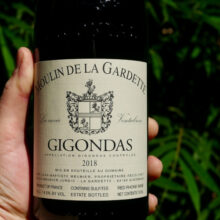
Rhône Blend from Gigondas, Southern Rhône
Jean-Baptiste Meunier's Gigondas wines, from the land where Grenache is King, have an intensity and flavour that are distinctly their own. Moulin de la Gardette sits firmly in Gigondas' 1st Division.An extra layer of flavour & complexity over the 'Tradition'. The 18’s are bolder, darker than the 19's. A little fruit cake here, not at all jammy, five spice, tobacco, flowers, progressing well past bubble gum to a more sophisticated blackberry fruit. Excellent tannins with depth. Persiste
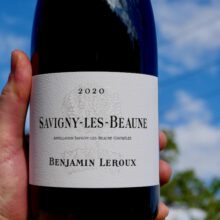
Pinot Noir from Savigny-lès-Beaune, Côte du Beaune
The lion’s share of this release comes from the outstanding Aux Fourneaux lieu-dit in the north of the village. Leroux works with lots of Pinot Fin here (a high-quality, low-yielding Pinot Noir cultivar), giving low yields and great concentration. The fruit from these vines fermented with 15% bunches. A fully destemmed parcel of Les Conardises was also included this year. The wine, half of which was raised without sulphur, matured exclusively in large cask—half in foudre and half in 600-litr
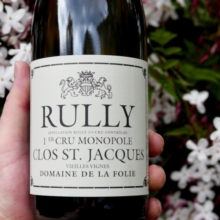
Chardonnay from Rully, Côte Chalonnaise
The 2023 Rully Clos St. Jacques ler Cru comes from a 1.69-hectare monopole and was matured in 20% new oak. It has a very aromatic bouquet with tropical fruit, passion fruit and touches of white peach. There is wonderful definition and vigor here. The palate is well balanced with a silver thread of acidity and notes of lemon thyme and orange pith, very harmonious on the finish. This is an excellent Clos Saint-Jacques (not from Gevrey!). Drink: 2026-2040Neal Martin, Vinous 92 Points
Bordeaux Blend from Saint-Julien, Medoc
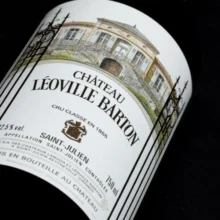
This estate has been on fire in recent vintages, and the 2018 Château Léoville Barton is up there with the best of them. Based on 82% Cabernet Sauvignon and 18% Merlot that was brought up in 60% new French oak, this classic, flawlessly balanced, straight-up awesome Saint-Julien has loads of cassis and mulberry fruits as well as notes of freshly sharpened pencils, leafy tobacco, chocolate, and earth. Rich, medium to full-bodied, and concentrated on the palate, it has building tannins and health
Chenin Blanc from Anjou, D'Anjou-Saumur
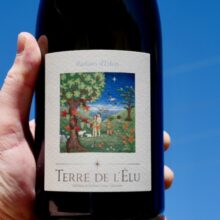
New Cuvée from 2021 – A parcel in chaume worked separately. This terroir is often used for sweet wines. Makes a great dry according to Thomas (...and Me!) highlighting again the importance of the flavour and phenolics from the skins.Yields of just 15-20Hl/Ha from very old vines give us a wine that is a delight in the glass! Half to ⅓ of DRC's yields! Fermentation in new wood aged in the same wood for 1 year then 5 months in stainless. This is the same as for the Bastingage.F
Pinot Noir from Mercurey, Côte Chalonnaise
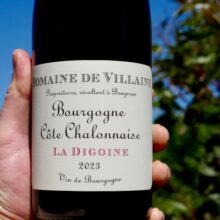
La Digoine is a site at the foot of a slope, known for centuries to provide the deep soil and growing conditions necessary for excellent red wine.Our vineyard here is planted in moderate-yield Pinot Noir.La Digoine can be drunk very young. Within two or three months of bottling, it demonstrates immediate appeal with red berry fruit and a balance of roundness, structure, and lenght on the palate. However, this is another versatil wine which benefits from bottle aging.After 18 to 24 mo
Chardonnay from Chablis, Burgundy
This Climat is almost an extension of the slopes where the Grands Crus grow, with only a small path separating them. Sitting directly alongside Les Preuses, the proximity to its illustrious neighbours results in powerful, mineral wines.This could be from nowhere else but Chablis with its equally cool, elegant and airy aromas of white-fleshed fruit, floral, iodine and subtle passion fruit-scanted nose. The super-sleek, refined and energetic medium weight flavors possess both ample mineral
Rhône Blend from Châteauneuf du Pape, Southern Rhône
“One of the top vintages for this cuvée, the 2019 Chateauneuf du Pape Prestige features intense aromas of black cherries and purple raspberries, without the dark chocolate nuances that appear in the other 2019s at this address. It's full-bodied, dense and concentrated, big but also silky and fine, with a long, elegant finish. It's a Grenache-led assemblage of lots from the lieux-dits of les Brusquières and Cabrières. Technical director Didier Negron is refreshingly candid when speaking abou
Chardonnay from Viré-Clessé, Mâcon
Wow! Initially a little spritz that swirled of quickly, the protective nature of dissolved CO2 goes some way to explaining why this wine looks younger than the “2020 Retour a Terre”. Bottling with a little CO2 is a sign that they see this as a wine for the longer haul. It is obsolete to repeat many of Kelley’s remarks. It’s clear that the fruit is exceptional, the mid-palate weight, always a sign of quality Chardonnay, is impressive, along with the flow, shape and texture. Incred
Pinot Noir from Beaune, Côte du Beaune
“Aromas of sweet berry fruit, warm spices, forest floor and raw cocoa preface the 2019 Beaune Les Epenottes, a medium to full-bodied, velvety and structured wine that's quite tightly wound, with fine concentration, lively acids and ripe tannins that assert themselves on the finish. This will require a bit of patience, but its track record for aging with grace is excellent.” William Kelley, The Wine Advocate 90+ Points JM 90-92
White Blend from Northern Rhône, Rhône Valley
Bright, freshly cut pear on the nose. Full-bodied with more weight than most 2021 St-Pérays, teamed with vibrant, buzzy acidity that really lasts into the finish. Lovely freshness and length. Different in style to their 2020, but similar in quality, with really noticeable cleansing acidity. Matt Walls, Decanter 94 Points
No wines match your filters
Try removing a filter or broadening your selection.
We couldn't load the wines just now.
You've seen all wines