Piedmont
Barolo
A Guide to the Barolo Region, Piedmont, Italy & its Wines.
Over the last 50-70 years, their vineyards have been well defined and categorised, the push to single vineyard, single variety wines completed. Like Burgundy a new generation has tried all of the new techniques and now finds comfort with making wines of purity over such as heavy handed extraction and new oak use. Their success and the money it has brought has allowed the investment of time into vineyards and practical technologies like sorting tables and temperature controlled fermenters in the wineries.
While wine lovers from around the world focus on the great Barolos made from Nebbiolo, it is Barbera, and Dolcetto that are the Italian daily drink, the cerebral Barolo saved for special occasions.
Founding Figures
The founding figures of Barolo come in several waves. The old school the shifted us from sweet reds to the ballsy dry wines of today, the Barolo Boys and the modernists who introduced more science and technology, the next generation that are finding the balance, managing climate change, pushing wines of consistency, purity, and expression of fruit over artefact.
On balance the wines are more refined and sophisticated, careful management of tannins with fruit sorting, careful destemming, handling of skins during fermentation, and, gentle pressing building more supple texture over the block busters from previous generations.
Area Planted
Barolo is a small region roughly 10km wide by 15km long. Apart from the village centers it is almost fully planted to vines.
The Communes
It was only by around 2017 that the work to define & classify Barolo’s vineyards was completed. The detailed work is only paralleled by the definition given to the vineyards of Burgundy. Like any body of work that has a financial impact disputes of who was in and who was out have been common. Defining Cru of Cannubi almost caused a war!
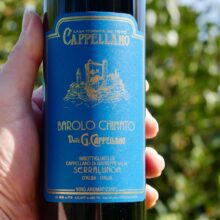
Barolo is made up of 11 Communes 5 of which have been the backbone of region over the last few decades. In no particular order they are La Morra, Barolo (the sub-region of the same name as the region .. I know!), Castiglione Falletto, Serralunga, and, Monforte d’Alba.
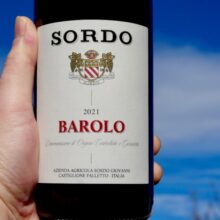
We’ve begun to explore these with the article in the Wine Bites Mag “Getting Your Head Around Barolo “The 8 Cru’s of Giovanni Sordo””. Will be exploring the Communes in more detail over time. Check in on all our articles about Barolo for the next installment!
The other 6 Communes are Verduno, home to the Monvigliero Cru, Rodi, Grinzane Cavour, Diano D’Alba, Cherasco, and, Novello.
Most Common Varieties
Beyond the traditional varieties winemakers are playing with small amounts of Riesling, Chardonnay, Viognier, Pinot Noir, Cabernet Varieties and Syrah.
White
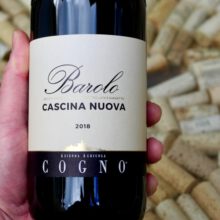
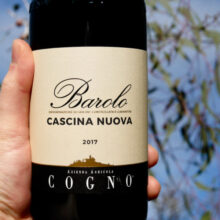
Nascetta, native to the Commune of Novello in Barolo is making a comeback. You won’t see Nascetta listed in too many wine resources, yet, there is a dedicated group of Piemontese looking to revive this delicious white grape, think Cogno & Rivetto. Like most regions of the world we see experimentation with non-traditional varieties too.
Red
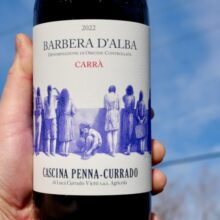
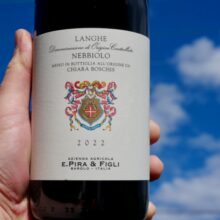
The big 3 are Barbera (31%) the most widely planted grape in the region and for good reason, Nebbiolo (10%), Dolcetto (13%). Lesser known include Freisia and Pelaverga.