Size & Type
Other

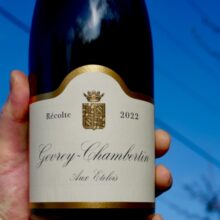
Pinot Noir from Gevrey-Chambertin, France, Côte-de-Nuits, Burgundy
$1,143
First made in 2020, this tiny cuvée derives from a parcel of 50-year-old mass-selected vines that border the Griotte-Chambertin parcels of Domaines Fourrier and Roty. Kelley’s approach to vineyard sourcing has focused on plant material and the quality of the agronomics, and he is not afraid to work with sites that are not well known. This recalls the early approach of Ben Leroux, who, coincidentally, also used to work in this terroir, and told us the wine’s lift and aromas would often remind him of Griotte. “Rather than chasing after Grand Cru fruit, I was always more interested in finding great vine genetics and good farming in sites that are probably a bit underrated at the communal level,” William explains.
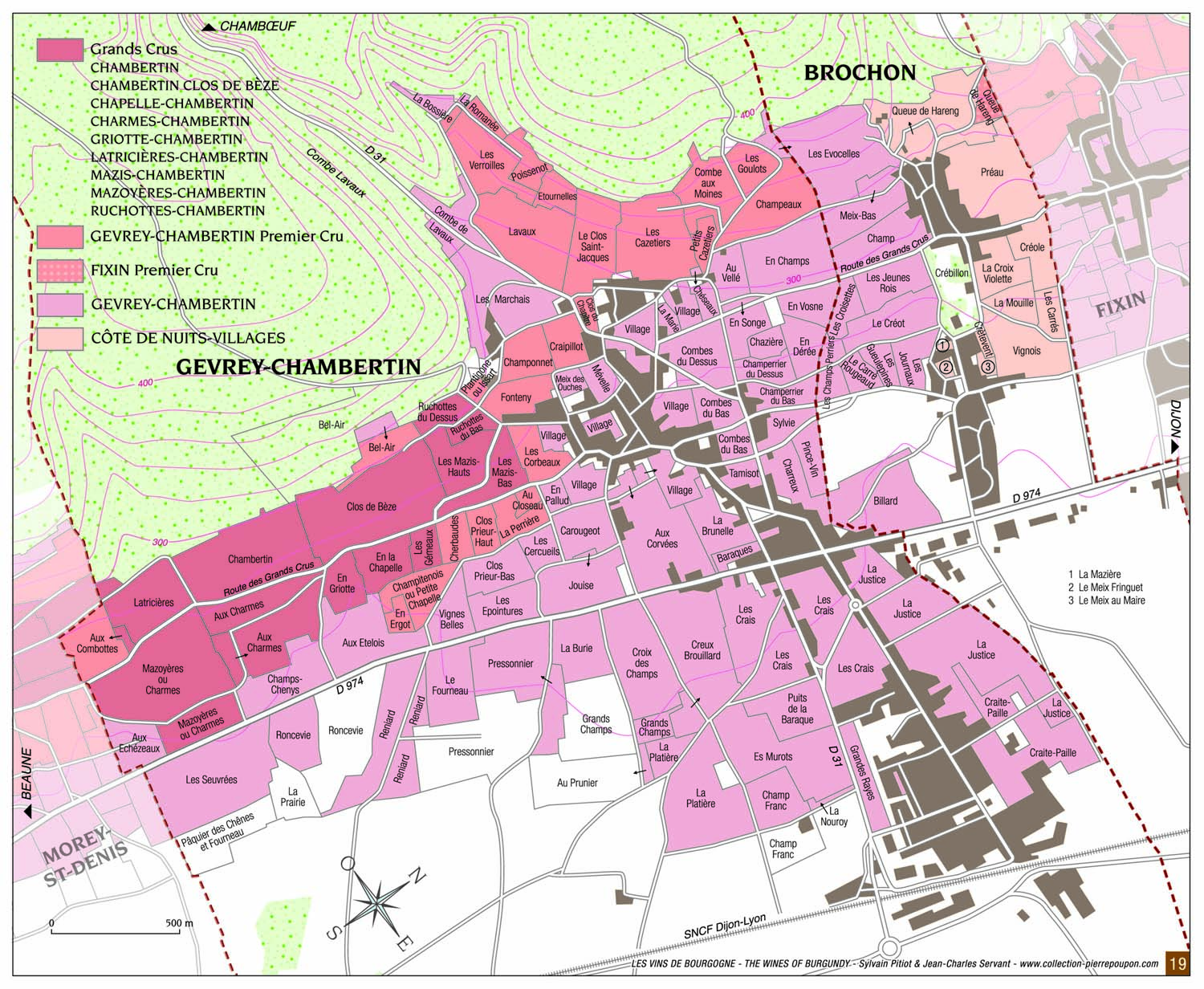
The refined soils and southeast exposure of Aux Etelois tend to produce a more suave, elegant style of Gevrey (in contrast with the darker and more muscular profile of wines from the Brochon side). Kelley’s winemaking aims to capture this personality and mirrors the Chambolle below, although the wine remained a few days longer on skins. It was 100% destemmed and basket-pressed into an open-top oak fermenter. Aging was for 24 months in two 228-litre casks: one lightly toasted barrel from François Frères and the second from Bruno Lorenzon. Of all his wines, Kelley notes that this is the most accessible and aromatic when young. Only 600 bottles were produced, bottled with the same super-high-quality Francisco Sagrera cork, and topped with hard wax.
NOTE: William Kelley uses the same type of hard wax as producers like Raveneau, which has largely gone out of fashion. He does this because he feels it works better as a seal. This hard wax is better chipped off the top before removing the cork, or with the cork half pulled out, if you want to avoid getting wax bits in the wine.
Out of stock
This, our second allocation from Kelley, comprises three reds and our first white. As of 2023, his production has increased to approximately 1.5 hectares and includes two cuvées from Meursault and Volnay.
William Kelley has built one of Burgundy’s most talked-about addresses in only a few years. Perhaps this should come as no surprise; Kelley is a wunderkind who, at just 34, has reached the summit of the wine-writing world. Yet, despite his stratospheric rise, it has always been Kelley’s dream to grow and make Burgundy. That dream has well and truly come to fruition (pardon the pun). Kelley’s ferociously deep knowledge, intense passion, super-critical mind, along with oodles of time spent with the best growers of Burgundy, Bordeaux and Champagne, have only fast-tracked his ambition.
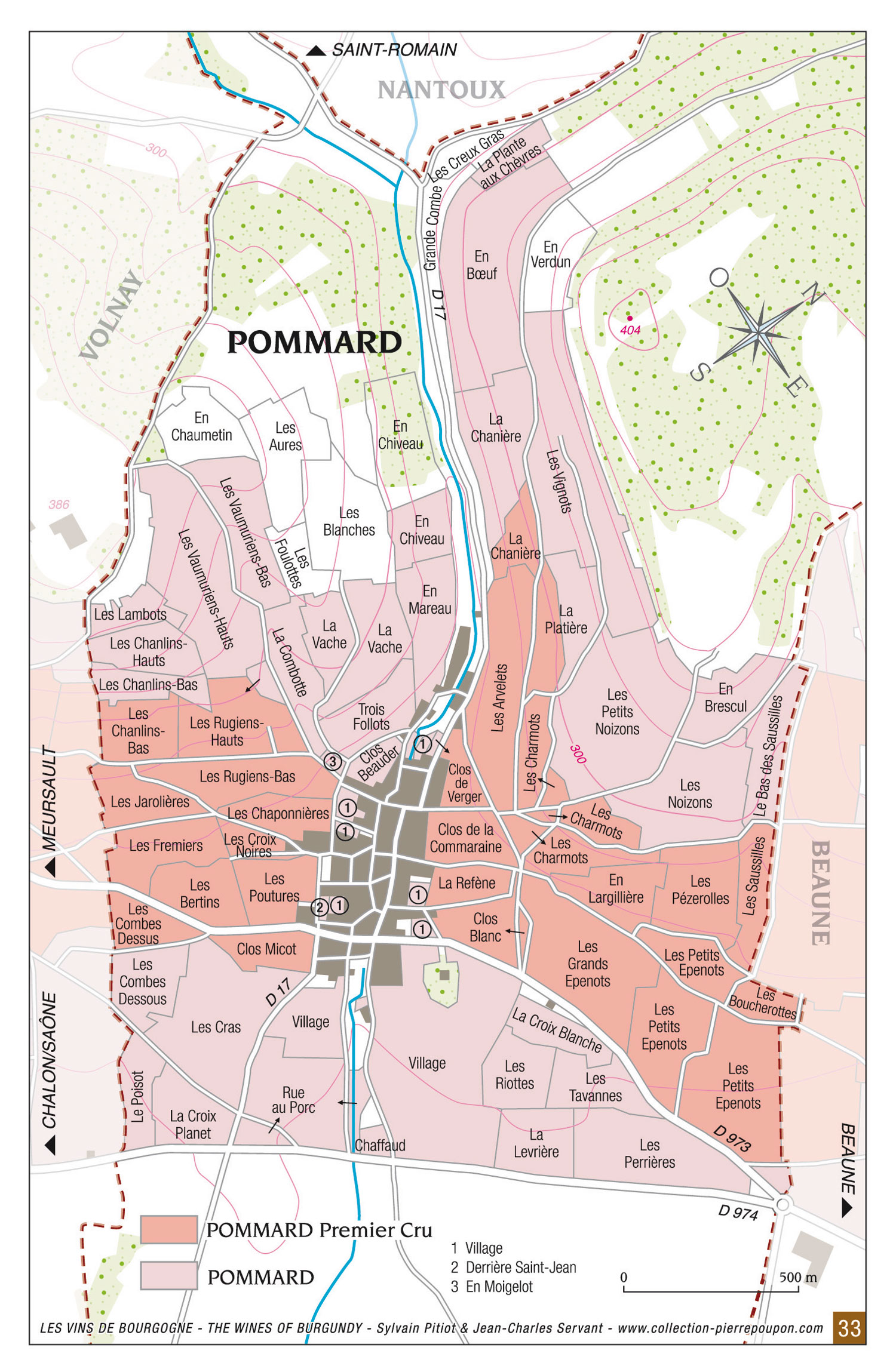
In fact, Kelley has spent more than a decade studying the best Burgundy (and Californian) growers at close quarters. Now, based in his own cellars in Pommard, he has wasted no time putting these lessons into practice. Uniting the traditional and the modern, he has developed his own unique and meticulous approach. In the vineyard, work is of the kind we see at the best addresses, while in the cellar Kelley has evolved one of the most novel and detailed winemaking approaches I have seen in Burgundy—or elsewhere, for that matter. In his own words, “Winemaking is like assembling a jigsaw puzzle, in that it’s a series of inter-related, accumulative choices that together create a certain style; so, it really helps to have seen the picture on the box of the puzzle, to know what you’re trying to achieve, to have an underlying logic animating all your choices. And you can’t really just borrow pieces from other people’s puzzles, because they don’t fit into the picture.”
Kelley owns two small parcels that he cultivates by horse and treats organically with backpack sprays. The first plot lies in the Beaune Premier Cru Les Chouacheaux, where Kelley works a tiny, narrow 0.10-hectare plot, just seven rows wide. This is a low-lying, relatively flat vineyard, below Les Vignes Franches. The second parcel is a 0.14-hectare patch of vines, high above Beaune, in the Côte de Beaune AOC. These vines take up half of a walled clos lying in the lieu-dit Les Pierres Blanches. The canopies in both are trained high and aren’t hedged during the season, avoiding any cuts to the vines’ apical shoots, which in turn delivers smaller, more concentrated clusters. The remaining wines in the range are crafted from purchased grapes from top growers. These connections are kept reasonably discreet, although where that grower also makes a wine that Kelley reviews, he declares an interest in print.
We could write pages on what he does, but some destemming with scissors, extended lees aging, low SO2 (accompanied by constant analysis), basket pressing, and very long aging in only the very finest oak are just a few details of Kelley’s modus operandi in the cellar. The wines ferment in custom-made oak vats commissioned from Taransaud (which took years of consultation to perfect). The bulk of the barrels are supplied by François Frères and made from its most exclusive oak, usually reserved only for Burgundy’s most famous growers. He’s also managed to get his hands on some special casks from Bruno Lorenzon. As you may know, Kelley is not one for shallow waters, and he regularly visits not only the coopers themselves but also the forests from which the oak originates.
Kelley’s whites are outstanding: intense, structured wines that combine layers of texture with powdery, racy freshness. Kelley presses in a vertical press without breaking the ‘cake’ of skins in order to retain a very low pH in his whites, and he retains and uses significant levels of lees.
The reds are also superb, of course, and really have a style of their own: tightly wound and medium weight, yet with depth and ageworthiness. Kelley has a passion for history, and the deeply flavoured yet bright and highly floral personality of his wines seems to have something historical about it, yet they have the precision and purity of the best of modernity.
Kelley’s exhaustive approach to oak selection, outlined above, has allowed him to work exclusively with new barrels from the 2022 vintage. After trial and error, Kelley is convinced of his direction and, tasting the wines, it is difficult to argue. He explains that the key is adapting the grain/origins, seasoning and toasting intensity/technique to the wine in question and the intended élevage. He might also remind us that Jayer routinely used 100% new oak, as does Bize-Leroy for every wine in her cellar. We might add that while many producers are using more and more older barrels—or none at all in the case of Charles Lachaux—just as many in Burgundy are reappraising their position in favour of better new oak.
Kelley is based in Pommard sourcing fruit from sites through the Côte du Beaune and Côte de Nuits. This wine comes from Gevrey-Chambertin


You must be logged in to post a comment.