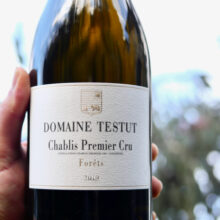
Jérôme Prévost La Closerie Les Béguines LC22
Limit 1 per Person

Product information

Jérôme Prévost La Closerie Les Béguines LC22

Meunier from France, Champagne

$460

$440ea in any 3+
$420ea in any 6+
Alc: 12.5%
Closure: Cork
“Today there are a handful of wines from elite, artisanal grower-estates in Champagne that have attracted a nearly cult-like following. One of the most sought-after of these is the meunier of Jérôme Prévost.” Liem

Description

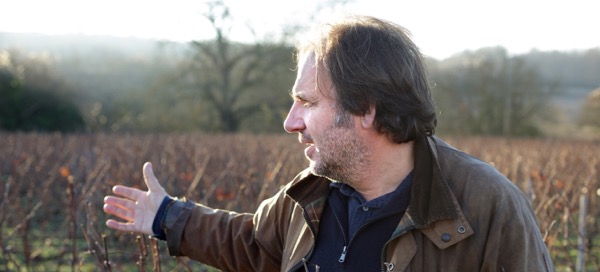
This is 2022 base with 20% reserve wine. Prévost’s 2.2-hectare vineyard, Les Béguines, is in Gueux, 10km west of Reims in the north of Champagne. The soil is a layer cake of calcareous (Thanetian) sand over clay, over more calcareous sand. Inherited from Jérôme’s grandmother, the site was planted in the 1960s with an old, slow-growing, less productive rootstock that descends deep. Les Béguines is close to 100% Meunier, although there is now a small parcel of 10-year-old Chardonnay, Pinot Noir and Pinot Blanc planted next to the Meunier (these vines represent roughly six per cent of the blend). The vineyard is managed organically, with the soils cultivated exclusively by horse and yields kept at balanced levels.

As always, the wine was vinified without any additions, in large-format used barrels for 10 months, and was bottled unfiltered. Prévost disgorged this release after 18 months on lees and added 2.5g/L dosage. In the past, this was always a tightly wound wine that needed a number of years to open. Now, with the warmer climate and evolution in farming and winemaking—including the addition of reserve wine—it’s another world. The wines are now approachable from an early age, and the 2022 base is no exception. It explodes from the glass and fills the mouth with waves of sappy, juicy fruit. It’s a unique and seductive Champagne with a long, spicy finish that suggests hops and crushed chalk.

Out of stock
Check out all of the wines by Jérôme Prévost

Why is this Wine so Yummy?

Listen to Levi Dalton’s Podcast with Jérôme

The French have a saying, apres la pluie le beau temps, which closely aligns with our every cloud has a silver lining. Prévost’s neighbour in Les Béguines offered him the fruit from 40 ares (0.4 hectares) of vines, on an ongoing basis, to add to the wine he was able to produce from his own vines in 2017. Of course this meant that Prévost needed to apply (hastily and successfully) for Négociant Manipulant (NM) status—his Récoltant Manipulant (RM) status would not have allowed him to purchase fruit.

It was this conversion to NM that brings us to the silver lining. Not only was Prévost able to purchase enough fruit from nearby vines to make an outstanding Les Béguines, he has also secured some additional parcels of fruit from two new Grand Cru sites from a couple whom Jérôme refers to as “lovely, young and talented” growers.

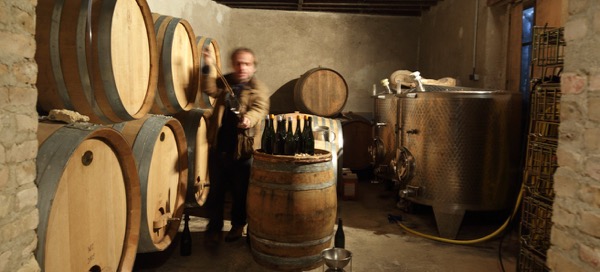
Jérôme Prévost’s tiny cellar outside of Reims is barely big enough to hold a few barrels, a bit of rudimentary equipment and a visitor or two. That’s about it. But the wines, well, they don’t really need anything else when there is so much attention to caring for the land.” 

Antonio Galloni, Vinous.com

“Today there are a handful of wines from elite, artisanal grower-estates in Champagne that have attracted a nearly cult-like following. One of the most sought-after of these is the meunier of Jérôme Prévost.” 

Peter Liem, www. ChampagneGuide.net

“… one of the most courageous and creative of Champagne’s many growers” 

Michael Edwards, The Finest Wines of Champagne

In the Vineyard

Inherited from Jérôme’s grandmother, the site was planted in the 1960s with an old, slow-growing, less productive rootstock that descends deeply.

The soil of Les Béguines is a layer cake of calcareous (Thanetian) sand, over clay, over more calcareous sand.

Les Béguines is close to 100% Meunier, although there is now a small parcel of 10-year-old Chardonnay, Pinot Noir and Pinot Blanc planted next to the Meunier (these vines represent roughly six per cent of the blend).

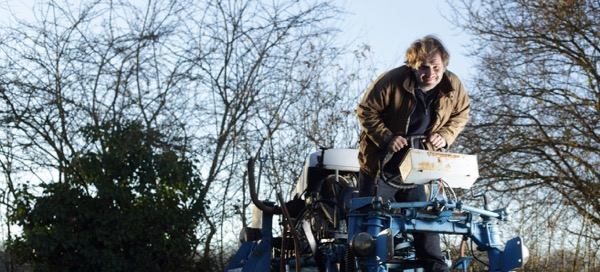
The vineyard management is organic, with the soils cultivated exclusively by horse and yields kept at balanced levels.

In the Winery

Prévost’s new cuverie is now up and running. Prévost had long outgrown his previous cellars—the small barn-cum-winery behind his former house where, quite literally, you couldn’t swing a cat—so the new bespoke digs are just what the doctor ordered. Sadly the excitement of the new cellars (and new house) were tempered by Prévost’s smallest harvest imaginable, 2017. To paraphrase Dickens, in 2017 the [weather] did what it liked, and what it liked was destruction.

Nothing is forced. The fruit is picked ripe. As always, the wine was vinified without any additions, in large format used barrels for 10 months and was bottled unfiltered. Prévost disgorges after around 18 months on lees and adds 2-3 grams per litre dosage. In the past, this was always a wine of one given vintage, however, from the 2019 & 2020 releases we have seen some reserve wine included. It’s a game changer—the wines are now even more complex and far more approachable from an early age.

Where in Champagne are Prévost’s Vineyards

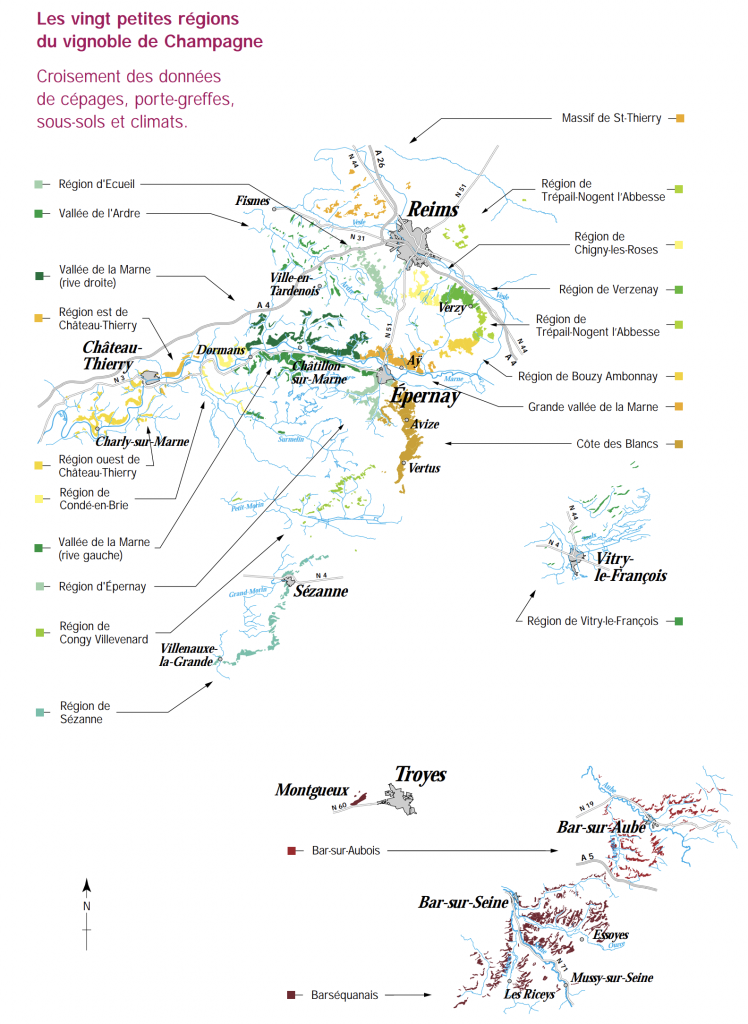
Prévost’s 2.2 hectare vineyard, Les Béguines, is in Gueux, 10km west of Reims in the north of the region.

The map below shows the main sub-regions of Champagne

Click to enlarge🔎


From left to right Champagne vineyards by Soil Type, Aspect and Dominant Varietal

Click on a map to enlarge🔎

Where in the world does the magic happen?

Prévost Jérome, Rue Michel Duroy, Bernay, France

Champagne
France