Reductive


The term reductive refers to winemaking techniques that protect juice and maturing wine from exposure to oxygen, typically in order to maintain freshness and fruit characters.
The is distinct and very different to reduction or a wine being reduced as explored in the Wine Word

« Back to Wine Words Index

The term reductive, describes winemaking techniques that protect juice and maturing wine from exposure to oxygen, typically in order to maintain freshness and fruit characters. Can also be referred to as protective winemaking, as in protecting from exposure to oxygen.

This is the opposite of oxidative, describing the exposure of wine to oxygen to help develop it and build complexity.

Reductive winemaking can use:

  • Inert gases like carbon dioxide, nitrogen and argon to form a blanked of these gases on the surface of any exposed juice or wine stopping oxygen coming into contact with the liquid.
  • Using preservatives like ascorbic acid and sulphur to scavenge oxygen before it can react with the juice or wine.
  • Avoiding or reducing the use of processes such as bâtonnage (lees stirring in barrel) and racking which can introduce significant amounts of oxygen into the wine.
  • Use sealed non-permeable storage vessels like tanks instead of barrels.
  • Ensuring that great care is taken during bottling to stop oxygen exposure of the wine.

At different stages in the winemaking process, the maker can choose to handle the wine either reductively or oxidatively to guide the wine towards the desired style. For example, the maker may handle the unfermented juice oxidatively and the maturing wine reductively before bottling.

Oxidative and reductive handling can dramatically impact the aromas, flavours, and, texture of the wine.

Like pretty much all winemaking there is a broad spectrum of approaches from super reductive to highly oxidative.

The is distinct and very different to reduction or a wine being reduced. This refers to the presence of sulphides that can smell like rotten egg gas or when more developed, burnt match, garlic, onion, and, burnt rubber.

The link is that if a wine is handled in a very reductive manner, the risk of the wine becoming reduced can increase.

Extreme examples of reductive winemaker are tank-fermented and matured whites, think Riesling and Sauvignon Blanc.

As a generalisation, for red winemaking, Pinot Noir is treated more reductively than Shiraz or Cabernet. As just one example making a Pinot I would rack it once, maybe twice before bottling and would take care to minimise the amount of oxygen contact with the wine. By comparison, I would rack a Shiraz or Cabernet Sauvignon 4-8 times often purposely introducing lots of oxygen during the process.

Synonyms:
Protective
« Back to Wine Words Index

Feeling Thirsty?

With a geological structure similar to the Grands Crus and excellent exposure, this terroir is considered one of the best Premiers Crus. The wine is both full and rich yet can also show its mineral and floral characteristics.The 2020 Chablis 1er Cru Montée de Tonnerre is a terrific success, unfurling in the glass with aromas of crisp orchard fruit, white flowers, confit citrus and oatmeal. Medium to full-bodied, satiny and complete, it’s fleshy and seamless, with fine depth at the cor
$201
$194ea in any 3+
$187ea in any 6+
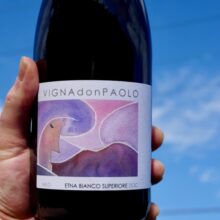
Alfio Cosentino 'Vigna Don Paolo' Etna Bianco Superiore DOC 2023
BENCHMARK!
Wow! This is dynamite! Pure, crystalline energy. The divine funk of whites with low pH, that lanolin twist and earthy spice that you often see in great white Burg's and top-end dry rizza from Alsaca & Germany. Superb texture, the quality of the acid & phenolics wrapping fruit of great intensity and transparency is insane. The shape & flow caress & ignite!The intrigue builds with citrus oils, white flowers, a good pinch of salt, a little earthiness and a savoury play. This is
$113
$108ea in any 3+
$103ea in any 6+
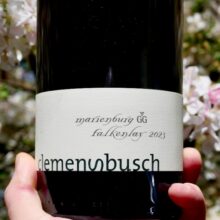
Clemens Busch Riesling Marienburg 1er Grosses-Gewächs 'Falkenlay' MAGNUM 2023
Dry
The Marienburg GG Falkenlay 2023, as it is referred to on the central part of the label, was fermented spontaneously in traditional oak casks from fruit harvested in a grey-slate infused part of the Marienburg vineyard. The splendid and appealing nose combines delicate notes almond cream and cinnamon with fresh scents of spearmint, wet slate, grapefruit zest, and jasmine. The wine also shows this double side on the palate, as ripe, creamy notes of yellow fruits and apricot interplay with spic
$390
$375ea in any 3+
$360ea in any 6+

Terroir al Límit L’Arbossar 2021

Cariñena | Spain, Catalunya

Huber's cooler fresher version of his 1er Cru equivalent Cariñena or Carignan has a ridiculous perfume & teases your senses! Arbossar is a steep, 1.6-hectare site vineyard of 100-plus-year-old Cariñena (Carignan) with schist and granite soils. It’s close to the village of Torroja where the Terroir al Límit cellars are based. Against conventional wisdom, Arbossar was planted on the cooler, north-facing slopes of Torroja.It was this unusual site, purchased in 2005, that informed much of H
$216
$206ea in any 3+
$196ea in any 6+