Reductive


The term reductive refers to winemaking techniques that protect juice and maturing wine from exposure to oxygen, typically in order to maintain freshness and fruit characters.
The is distinct and very different to reduction or a wine being reduced as explored in the Wine Word

« Back to Wine Words Index

The term reductive, describes winemaking techniques that protect juice and maturing wine from exposure to oxygen, typically in order to maintain freshness and fruit characters. Can also be referred to as protective winemaking, as in protecting from exposure to oxygen.

This is the opposite of oxidative, describing the exposure of wine to oxygen to help develop it and build complexity.

Reductive winemaking can use:

  • Inert gases like carbon dioxide, nitrogen and argon to form a blanked of these gases on the surface of any exposed juice or wine stopping oxygen coming into contact with the liquid.
  • Using preservatives like ascorbic acid and sulphur to scavenge oxygen before it can react with the juice or wine.
  • Avoiding or reducing the use of processes such as bâtonnage (lees stirring in barrel) and racking which can introduce significant amounts of oxygen into the wine.
  • Use sealed non-permeable storage vessels like tanks instead of barrels.
  • Ensuring that great care is taken during bottling to stop oxygen exposure of the wine.

At different stages in the winemaking process, the maker can choose to handle the wine either reductively or oxidatively to guide the wine towards the desired style. For example, the maker may handle the unfermented juice oxidatively and the maturing wine reductively before bottling.

Oxidative and reductive handling can dramatically impact the aromas, flavours, and, texture of the wine.

Like pretty much all winemaking there is a broad spectrum of approaches from super reductive to highly oxidative.

The is distinct and very different to reduction or a wine being reduced. This refers to the presence of sulphides that can smell like rotten egg gas or when more developed, burnt match, garlic, onion, and, burnt rubber.

The link is that if a wine is handled in a very reductive manner, the risk of the wine becoming reduced can increase.

Extreme examples of reductive winemaker are tank-fermented and matured whites, think Riesling and Sauvignon Blanc.

As a generalisation, for red winemaking, Pinot Noir is treated more reductively than Shiraz or Cabernet. As just one example making a Pinot I would rack it once, maybe twice before bottling and would take care to minimise the amount of oxygen contact with the wine. By comparison, I would rack a Shiraz or Cabernet Sauvignon 4-8 times often purposely introducing lots of oxygen during the process.
Synonyms:
Protective
« Back to Wine Words Index

Feeling Thirsty?

The 2023 Chablis 1er Cru Vaillons bursts with aromas of white flowers and peach, followed by a medium to full-bodied, satiny and suave palate that's pure, seamless and charming.William Kelley, The Wine Advocate 91 PointsA discreet application of wood sets off notes of white pepper, acacia blossom, spice and just enough Chablis typicity to be interesting. On the palate there is again both good volume and refinement to the generously proportioned middle weight flavors that possess a sa
$182
$175ea in any 3+
$168ea in any 6+
This is an impressive beverage! There are things happening here that are very good. The textural elements: dusty, even long tannins, that are just a little bolder than the 2015 and will benefit from 3-5 years before you crack a bottle. The fading flowers are more prominent than in the classico and red fruit more dominant with excellent length and delicacy. It has wonderful development, layered complexity that you need not pick apart. Simply enjoy a wine full of personality.A consistent r
$240
$230ea in any 3+
$220ea in any 6+

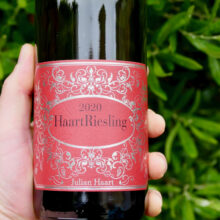
Julian Haart ‘Haart’ Riesling 2020

Riesling | Mosel-Saar-Ruwer, Germany

A lovely build to a just off dry rizza. Here there is a little more generosity supported by excellent acid. Again the shape, mouthfeel and flow is excellent. The extension in depth and length here is impressive for just a few more coins. The flavours are riper, lemon sherbet without the sweetness and rind oil with grapefruit, with a little hint of baking spice, again the savoury earthy pops. Very sophisticated making. Incredibly moreish. Elderflower and much more on offer. Divine wine.
$65
$62ea in any 3+
$59ea in any 6+
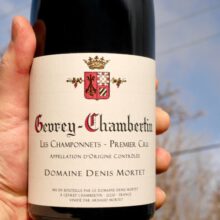
Les Champonnets, situated on the same line as the Grands Crus and very near to Ruchottes-Chambertin, is tucked up high near the entrance of the Lavaux combe (or valley). Mortet's parcel here used to make up almost half of his 1er Cru bottling above, and 2014 was the first year this parcel was vinified and bottled separately. It comes from a combination of very old vines (60-70 years old) and some younger, at around 30 years old. The soil is deep, yet with a strong limestone component that shows
$548
$528ea in any 3+
$508ea in any 6+