Complantation


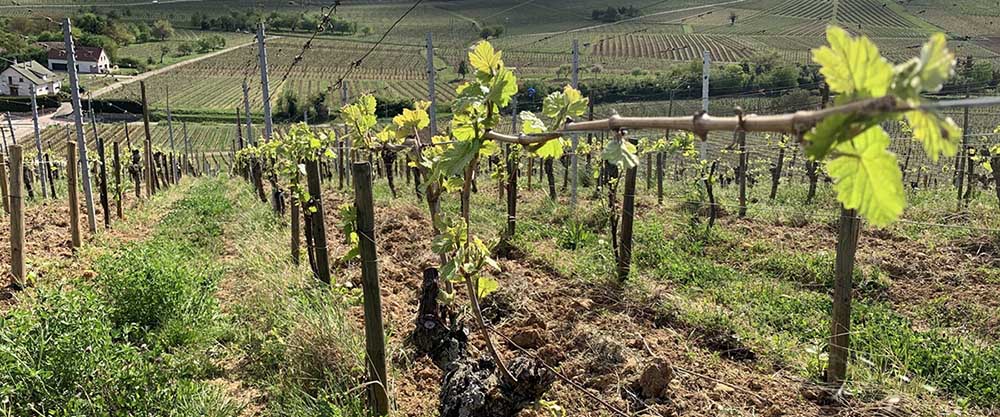
Complantation is the practice of planting multiple grape varieties in a single terroir. It is the oldest form of viticulture known before the appearance of clones and the depletion of biodiversity. It ensures regular harvests by creating a complex and naturalist ecosystem.

« Back to Wine Words Index

Complantation is the practice of planting multiple grape varieties in a single terroir. It is the oldest form of viticulture known before the appearance of clones and the depletion of biodiversity. It ensures regular harvests by creating a complex and naturalist ecosystem.

Wines produced using complantation are commonly known as field blends. The grapes grown together in the same field or vineyard, then picked and fermented at the same time. These unique wines are different than the typical blends we know today, like those of Bordeaux, where grapes are grown and vinified separately.

Many complantation vineyards are well-established and have likely come into being through massal selection, the practice of replanting new vineyards with cuttings from exception old vines from the same or nearby vineyards. Today, this traditional method of vineyard propagation has been replaced with clonal selection, where a vineyard is propagated by vines from a vine clone nursery.

A new generation of winemakers, such as Alsatian Marcel Deiss, are making the shift towards complantation due to its long-term benefits of increasing genetic variation among vines, improving biodiversity in the surround ecosystem and producing more unique wines that better reflection of the locale terroir.

Synonyms:
Field Blend
« Back to Wine Words Index

Feeling Thirsty?

Giovanni Rosso Barolo ‘Cerretta’ 2017

Nebbiolo | Serralunga d'Alba, Barolo

Owned by the Rosso family since 1920, the plot was partly replanted in 1984 and 2000. Situated about 2 miles (3km) to the north of Serralunga village, Cerretta lies close to the hamlet of Baudana and envelops that of Cerretta.The fruit for this Cru wine comes from the best parcel which is shaped like an amphitheatre facing south-east. This part of the vineyard provides a particularly good micro-climate for Nebbiolo since it is protected from stronger winds by the copse at the bottom of the s
$198
$191ea in any 3+
$184ea in any 6+
AP: 13 20. The 2019er Marienburg Riesling Spätlese, as it is referred to on the main part of the consumer label and with a golden capsule, was made from fruit picked at 102° Oechsle from a selection of partially (10%) botrytized fruit and was fermented down to noble-sweet levels of residual sugar. It offers a superbly backward nose made of vineyard peach, cassis, elderflower, some almond cream, a hint of apricot, fine spices, and smoke. The wine proves superbly delineated and focused on the co
$78
$75ea in any 3+
$72ea in any 6+
Here too the nose is overtly floral in character with its layered blend of red and dark raspberry, warm earth and discreet spice wisps. There is again very fine mid-palate density to the slightly bigger-bodied tension-filled flavors that flash evident muscle and power on the moderately austere, firmly structured and impressively long finish. Patience strongly advised. 2035+ (from a .24 ha mix of two-thirds terres rouges and one-third terres blanches).Allen Meadows, Burghound 91-94 Points 
$1,250
$1230ea in any 3+
$1210ea in any 6+
Domaine Faiveley Mercurey 1er Cru Clos de Myglands Monopole 2021
Hard to beat for the $
Give it a couple of days open or a few years in bottle and you'll go to a happy place. Reviews yet to come. Kelley's note below is of the 2020. Along with the Le Clos du Roy this represents one of the best value Burgundies on the market.As I wrote earlier this year, Faiveley's 2019 Mercurey 1er Cru Clos des Myglands is a success, delivering aromas of sweet berry fruit, plums, espresso roast and spices. Medium to full-bodied, rich and fleshy, with powdery tannins and lively acids, it's a
$112
$107ea in any 3+
$102ea in any 6+