La Rioja Alta ~ Museum Release
Pre-Arrival Offer
Orders to be paid in full on confirmation in June 2026
Minimum order $200.
Delivery ETA Oct-Nov 2026
The Wines
Alberdi 2005-2008
Ardanza Reserva 2001-2009
Arana Gran Reserva 2004-2006
904 Gran Reserva 1997-2010
890 Gran Reserva 1995-2005
Explore our current release La Rioja Alta wines available now!
La Rioja Alta’s Current Release!
A Word on Aged Rioja
Rioja has an incredible spectrum of styles. The most historic come from Lopez di Heredia and La Rioja Alta. Both wineries age their wines for extended periods in barrel upto 6-12 years and then for many years in bottle prior to release.
La Rioja Alta’s Gran Reserva 890 is aged for 6 years in barrel and a further 6 in bottle prior to release.
La Rioja Alta’s Gran Reserva 940 is aged for 4-5 years in barrel and a further 3-4 in bottle prior to release.
La Rioja Alta’s first Gran Reserva level wine, Arana, is aged for 4 years in barrel and further 3 years in bottle prior to release.
La Rioja Alta’s Ardanza is aged for 3 years in barrel and further 2-3 years in bottle prior to release.
La Rioja Alta’s Alberdi is aged for 2 years in barrel and further 2 years in bottle prior to release.
When a wine is noted on the label as ‘Selección Especial’ it’s considered to be from an important vintage by the winery.
Given the extended ageing of their wines prior to release, particularly the period in barrel, the wines show solid élévage. They undergo an intensive racking program, thinking decanting a barrel, clarifying the wine and introducing oxygen that helps soften tannins and harmonise the wine. In the Wine Bites Mag article: “Bathtub Winemaking Day 449 – Élévage: Raising the Kids 2017 Wine Decoded Shiraz” I explore élévage and the approach to we took making our very own wine.
Even with this extended period of maturation the wines will still have a long life ahead of them.
On release they are typically sitting in the second phase of development, resolved and relatively ready to drink. Depending on the vintage and the wine particularly from the Alberdi, Ardanza and less so the Arana range they may still present a little tight.
Tasting a 2005 ‘904’ in May 2026 revealed that at around 20 years of age the wine was quite fully developed and had shifted into a tertiary phase. Sweet fruit had developed that wonderfully lythe transparency that aged wine takes on. An array of truffles, tabacco, leather with a lick of earthy slate complexed both the aroma and palate. A fine example of a mature Rioja indeed.
About La Rioja Alta
The Bodega was formed in 1890 as a partnership of 5 quality-conscious growers keen to exploit the export potential for well-made, ‘modern’ Rioja. At this time, French vineyards were ravaged by phylloxera, and connoisseurs were having to look elsewhere for supplies of fine wine. Rioja, with its excellent climate and soils, had already attracted attention, and experiments with Bordeaux-style vinification and barrique-aging were proving very successful. The region’s only real disadvantage was its remoteness, cut off from the lucrative markets to the north by the same mountains that ensured its favorable climate. This problem was solved by construction of the rail link to Bilbao, and it is no coincidence that Bodegas La Rioja Alta was established next to the Haro railway station in the same year it opened.


In 1904, La Rioja Alta absorbed Bodegas Ardanza, and gained access to some of the finest vineyards in the Rioja Alta district. The luxury 904 bottling commemorates this important milestone in the company’s development. Since then Rioja has seen more bad times than good, and many producers have harmed the reputation of the region and its production methods, releasing sloppily-aged wines which were never good enough to support a long time in cask. But La Rioja Alta has never let standards slip, and continues to this day the tradition of careful long-aging that gives Rioja its unique character. These wines offer a wonderfully complex bouquet, rich flavors, a seductively smooth texture, and are all ready to drink on release.
In the Vineyard
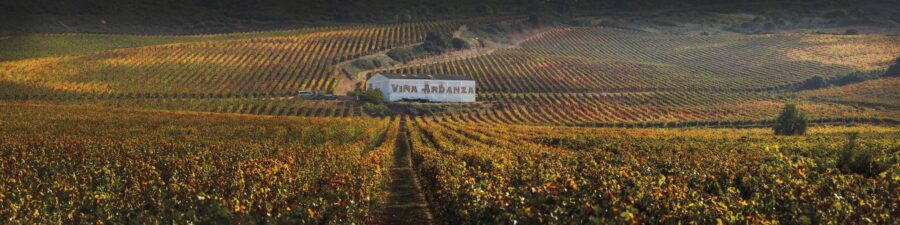
The company owns 300 hectares of vineyards in different parts of the best zones of the Rioja Alta region. La Rioja Alta S.A. is specialized in red wines. The leading grape variety is the Tempranillo with small doses of Mazuelo and Graciano. The Vina Ardanza differs from the other wines with some 25% Garnacha in the blend.
Sustainability in the Vineyard
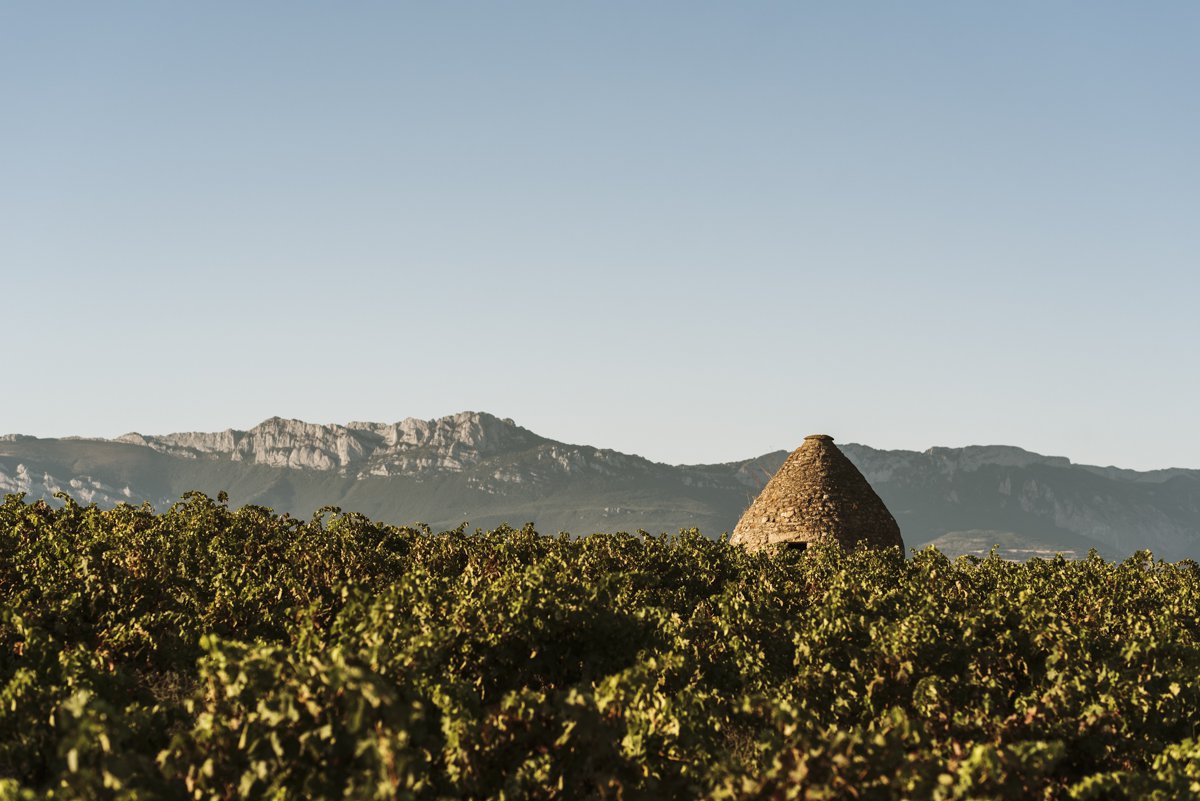
Our 900 hectares are cultivated with integrated production methods, minimizing chemical use through natural alternatives like insect shelters, biotechnological traps, and ground cover. We plant vineyards at elevations above 800 meters to adapt to climate change, preserving the freshness and acidity essential to our wines.
Organic viticulture is a priority, with free-roaming horses and cows fostering biodiversity, while bat colonies provide natural pest control. Additionally, our “Artisanal Vineyards” project focuses on reviving century-old vines, safeguarding the heritage of Rioja Alta.
The people from La Rioja Alta are looking for older vineyards in the Rioja Alta zone, mostly around Elvillar, in principle for the sister project Torre de Oña. As they think they have done all the technical improvements possible, they believe the improvement has to come from the vineyards, so they are experimenting in that direction. In those vineyards, there is more white interplanted with the red. And they are also experimenting with white wine.
In the Winery
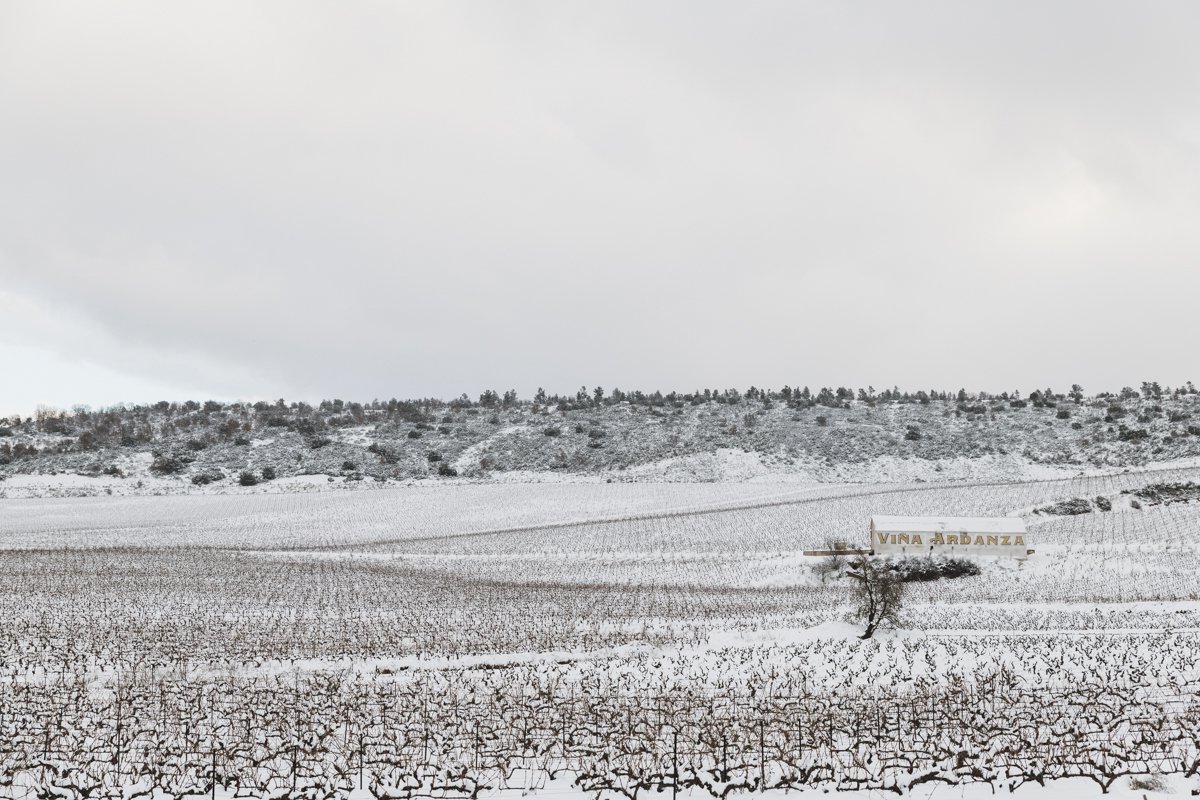
Fruit is harvested in 20kg bins. From 2015 an optical sorted has been used in the winery to sort fruit berry by berry. Alcoholic fermentation in tanks lasts around 21 days and is followed by malolactic fermentation.
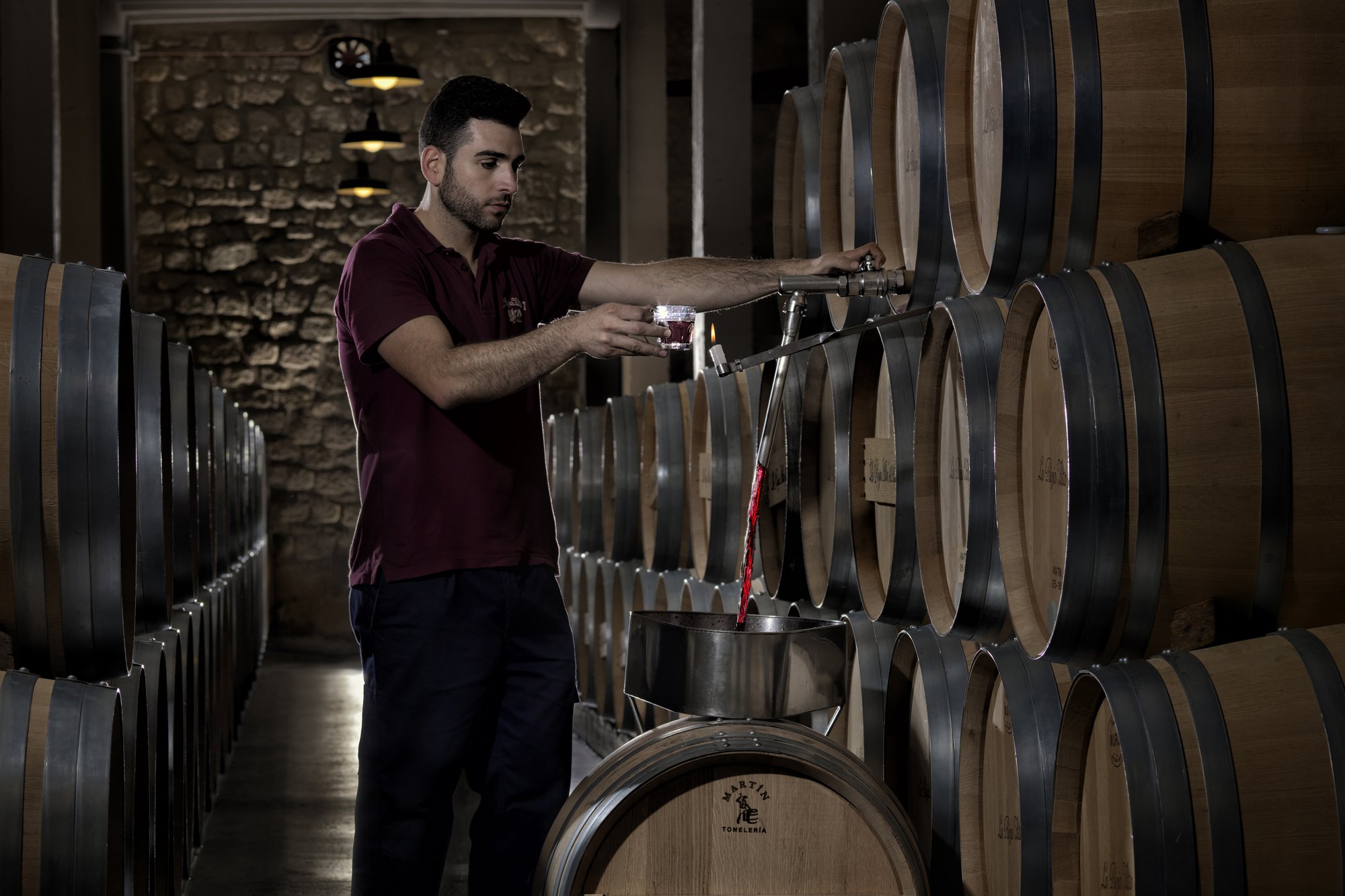
After vinification in the new ultra modern winery near Haro, aging is in traditional Bordeaux casks, all made from American oak. Racking is by hand every 6 months with 8 teams working full time racking the 51,000 casks. There is no filtration prior to bottling and further long aging in bottle before release.
In short the wines are made in the traditional Rioja manner. The company is adamant about not using French oak, keeping the unique Rioja style which has been developed since the end of the 19th century. In spite of the varying amount of time in cask and bottle the wines all display a wonderful rich ruby color, gorgeous aromas of oak, spices and fruit followed by a sensational feel on the palate, with a wonderful smooth texture, clean rich oaky/fruity flavors and a long lingering finish. All the wines are ready for consumption on release but will keep for many more years in bottle. This situation is almost unique in the world of wine and is the reason why so many restaurants list La Rioja Alta’s outstanding range of truly classic Rioja wines.
Where in the World is La Rioja Alta?
La Rioja Alta is in Haro, Rioja Alta. Rioja and it’s three current subzones Alta, Alavesa and Baja achieve no meaningful distinction between vineyards and wines.
Baja translates to Low and is being replaced with Oriental given the negative quality conation of the word.
There is a growing push to better recognise quality terroir by define the:
- Quality soils in Rioja at a macro level, equivalent to Appellation Bourgogne in Burgundy;
- The individual villages or Pueblo of Rioja equivalent to a village in Burgundy like Gevrey-Chambertin or Chassagne-Montrachet; and
- The special places (like lieu dit in Burgundy) & individual vineyards within the villages.
Only time will tell how this unfolds. In the meantime we’ll be including information on all of the wines we list from Rioja.
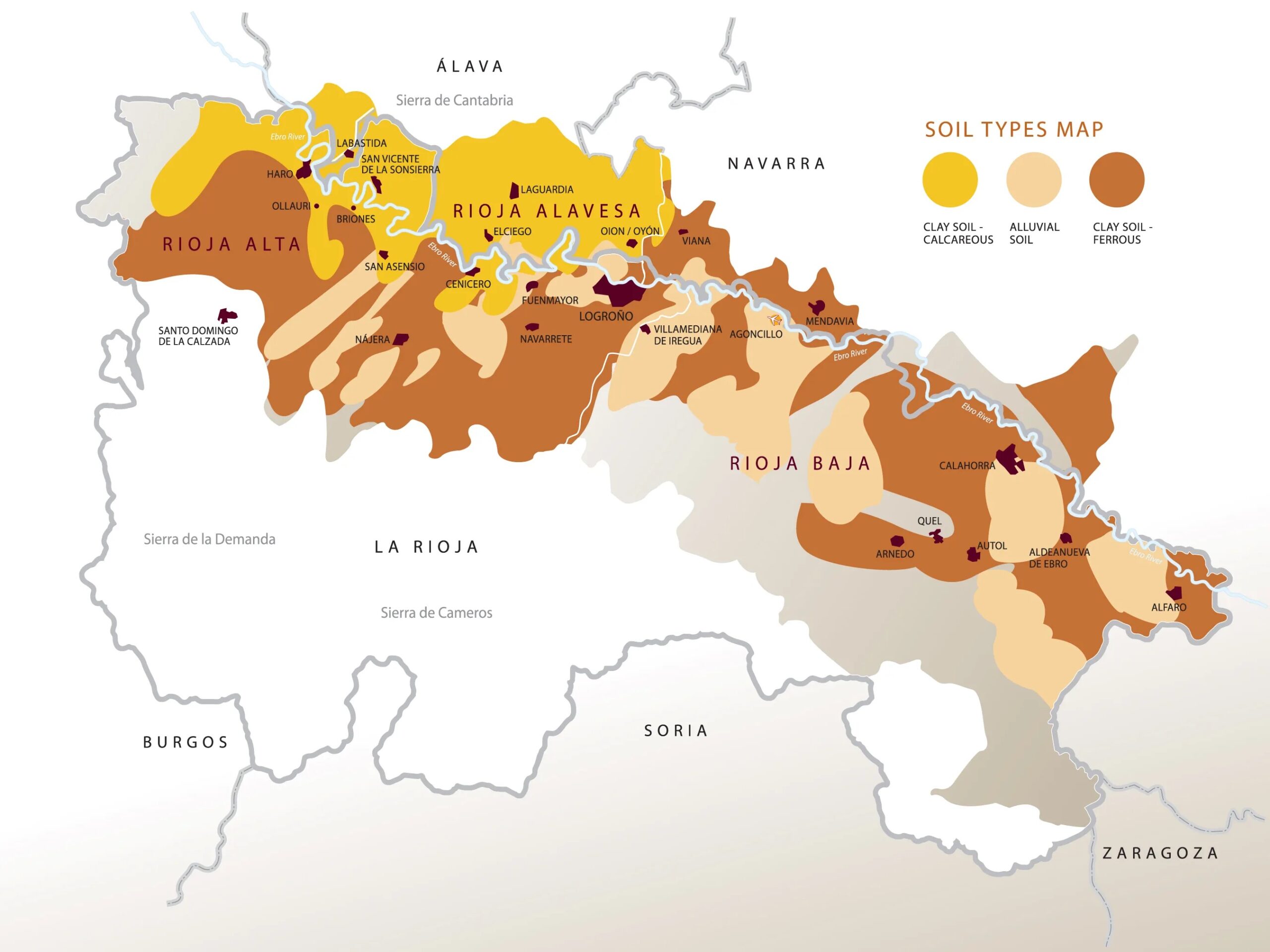
The area is vast with over 60,000Ha of vines planted. As Scott Wasley puts it, it’s the equivalent of using South East Australia to classify the wines NSW, Victora, SA and Tasmania. In the flyover below at the 20sec mark you’ll see a high level geological map of general soil types, it’s clear they run perpendicular to the general sub-region orientation along a number of rivers, valleys and sub-plains. The fact that I’ve mentioned both the split in soil types, and, significant geological changes if enough for any vigneron worth their salt to call for a more detailed differentiation between key viticultural areas of Rioja. Politics, corruption and a bias toward bland mass-produced wines the adversaries of progress on mapping the region. Without more appropriate classification of vineyards we have to rely on the reputation of quality producer and their track record in the glass. Perhaps not a bad thing for an individual wine. Not great for the reputation of a region as a whole.
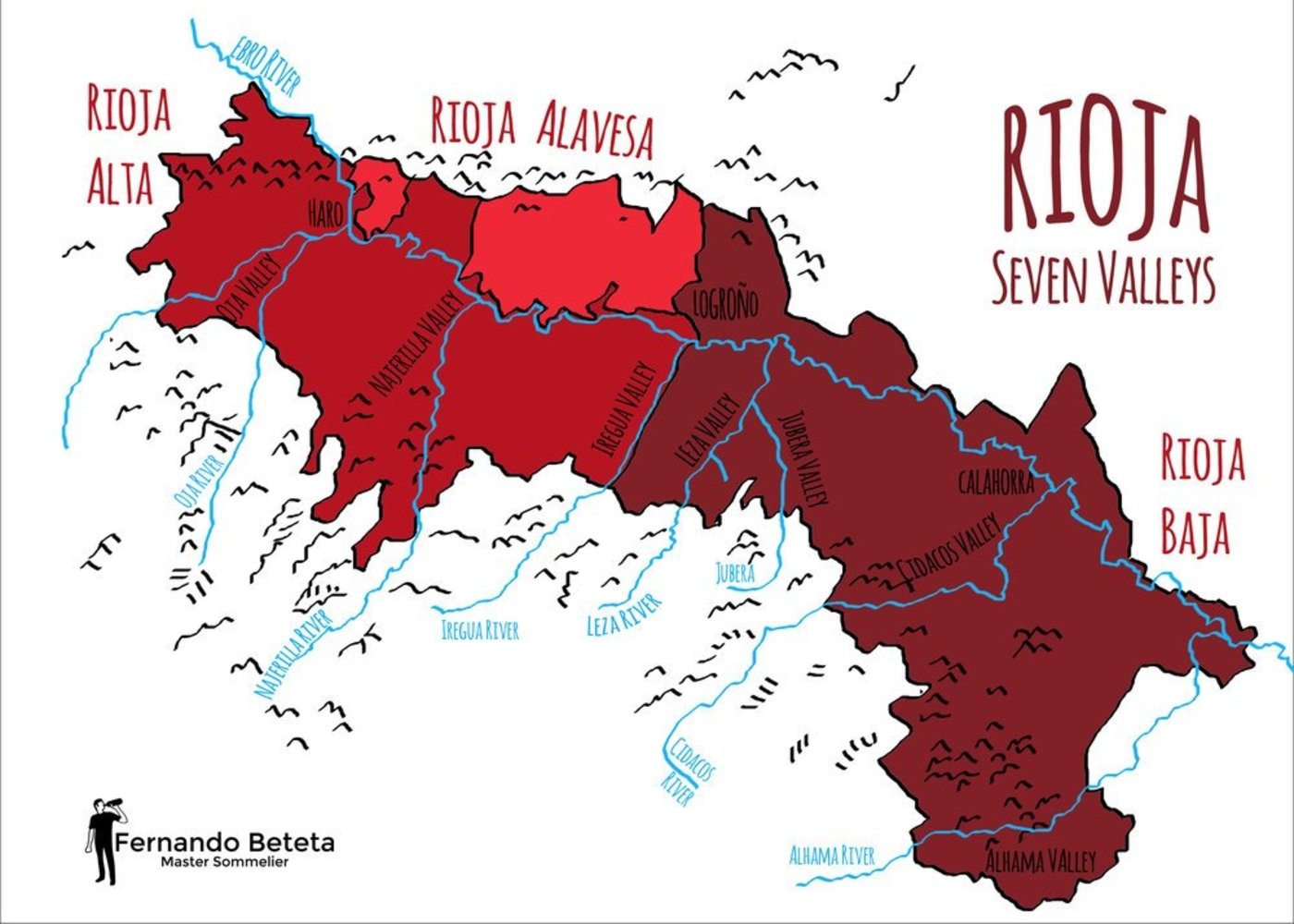
Although not an official classification the map below would be a start to delineating between different areas of Rioja based on the Valleys within it. You can clearly see the rivers running through each of the valleys.
General in nature the soil map below offers some guidance on the geology of Rioja.
 Click to enlarge🔎
About the Wines
Alberdi
2008 Alberdi
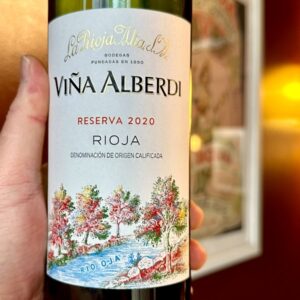
100% Tempranillo from estate-grown grapes from the Mayorita, Las Monjas, El Palo and El Bardal vineyards in Rodezno, and Alto del Rey in Labastida. Located at 500–600 metres above sea level, planted in the late 1970’s on clay-limestone soils.
Hand-harvested, with bunch selection in the vineyard. The grapes were transported refrigerated to the winery to preserve their integrity. After gentle destemming and crushing, the grapes passed through optical sorting tables to select those best suited for this wine. Alcoholic and malolactic fermentation took place naturally in tanks. The wine was aged for two years in American oak barrels of our own cooperage: new barrels during the first year and 4.5-year-old barrels in the second year. Four traditional rackings were carried out, from barrel to barrel.
I tasted two vintages of the only pure Tempranillo wine they produce. The 2008 Viña Alberdi comes from their vineyards in Rodezno and Labastida and matured in American oak barrels for two years, the first year in new barrels and the second year in used ones. The nose is very classical, with notes of beef blood, leather and spices and more fruit than its siblings. The oak is perfectly integrated despite having some new wood (they have to use the new barrels somewhere). It develops aniseed aromas with time in the glass. The palate is soft and polished, has good acidity and freshness through to a very tasty finish. This is sold in the export markets as a Reserva and in Spain mostly as Crianza, but it's a very classical Rioja at a very good price. Bottled in June 2011 Tasted 2015
2007 Alberdi
Let’s start with the noteworthy 2007 Vina Alberdi, their youngest and fruiter wine from a cold vintage. It’s produced with Tempranillo grapes from their own vineyards in the villages of Rodezno and Labastida, fermented with their natural yeast and aged in American oak barrels produced by their own coopers, the first year in new ones and then transferred to third-use ones. It was bottled in March 2010. The wine has a translucent ruby color with an orange rind and an impressive bouquet of dried flowers, caramelized orange and cloves. The palate reveals a medium-bodied, elegant and balanced wine, keeping the power of the fruit and the subtleness of the aging, which is easy to drink and true to its origin. This wine represents a very good value for traditional Rioja. 500,000 bottles produced. Drink 2014-2018. Tasted 2013
La Rioja Alta has tremendously improved its wines in the last few years while keeping faithful to the most classical style. They have always been hugely popular in Spain, but they seem to be selling their wines faster and don’t produce every cuvee in every vintage and as a result had very few new wines to show. Vina Ardanza jumped from 2001 to 2004, and the next vintage will be 2005. Followers of traditional Rioja are very lucky as both the 904 as the 890 coming on the market are from great vintages and are superb.
2006 Alberdi
The 2006 Vina Aberdi Reserva was the only wine released by La Rioja Alta because of the challenging growing season. It has a sensual but simple bouquet of blueberry and cassis interlaced with vanilla. The palate is medium-bodied with supple tannins and an alluring, sensual chocolate and coconut-tinged finish that has “consumer friendly” written all over it. This is irresistible. Drink now-2018.
La Rioja Alta formed part of my “classic Rioja” day that included Lopez de Heredia and Muga, the triumvirate of wineries in Haro all but a minute’s stroll from each other (which would have been fine, but for the spontaneous downpours). I have admired their wines for many years, Rioja that speaks so eloquently and with such clarity of their place. La Rioja Alta was founded in the town of Haro in 1890. They own 450 hectares of vineyard from which their entire portfolio is sourced, predominantly Tempranillo complemented by Graciano, Mazuelo and Garnacha. Another tenet is their use of American rather than French oak. The wood is cured for two years outdoors before being shaped and hammered into barrels at their own cooperage. Although the estate owns vines in Ribera del Duero and Rias Baixas (to be covered in later reports) I focused upon recent releases from their two Rioja lines: Torre de Ona and of course, La Rioja Alta itself. Quite simply, these are some of the finest Riojas that can grace your cellar: complex, refined, classic but without compromising fruit intensity and to reiterate: wines that speak about where they come from. Tasted 2012
2005 Alberdi
The 2005 Vina Alberdi Reserva is pure Tempranillo from the highest sites in the Rodezno and Labastida estates that is aged in American oak for two years. It has a lifted bouquet with diffuse brambly red fruit, heather and lavender. The palate has a touch of gingerbread on the entry. It possesses a fine lattice of tannins with an attractive core of peppery red fruit that leads to a leather-tinged finish with hints of orange rind and soy. It is composed, refined and is brimming with personality. Drink now-2020. Tasted 2012
La Rioja Alta formed part of my “classic Rioja” day that included Lopez de Heredia and Muga, the triumvirate of wineries in Haro all but a minute’s stroll from each other (which would have been fine, but for the spontaneous downpours). I have admired their wines for many years, Rioja that speaks so eloquently and with such clarity of their place. La Rioja Alta was founded in the town of Haro in 1890. They own 450 hectares of vineyard from which their entire portfolio is sourced, predominantly Tempranillo complemented by Graciano, Mazuelo and Garnacha. Another tenet is their use of American rather than French oak. The wood is cured for two years outdoors before being shaped and hammered into barrels at their own cooperage. Although the estate owns vines in Ribera del Duero and Rias Baixas (to be covered in later reports) I focused upon recent releases from their two Rioja lines: Torre de Ona and of course, La Rioja Alta itself. Quite simply, these are some of the finest Riojas that can grace your cellar: complex, refined, classic but without compromising fruit intensity and to reiterate: wines that speak about where they come from. Tasted 2012
Ardanza Reserva
2009 Ardanza Reserva
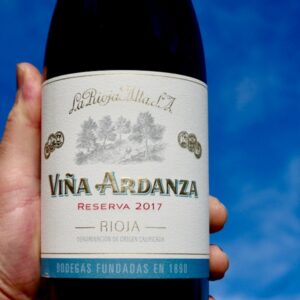
The Tempranillo (80%) comes from 30-year-old vines in our Cuesta (Cenicero) and Montecillo (Fuenmayor) vineyards. The Garnacha (20%) is from La Pedriza in Tudelilla, Rioja Oriental, a 40-hectare estate with unbeatable conditions for growing this variety.
Hand-harvested into crates, with an initial selection of bunches carried out in the vineyard. Garnacha is harvested 2-3 weeks later. The grapes are transported to the winery under refrigeration to preserve their integrity. After a second sorting on the optical selection table, alcoholic and malolactic fermentations are completed naturally.
The finest lots are selected for ageing in American oak barrels, 20% of which were new. Tempranillo remained in barrel for 36 months, with six manual rackings, while Garnacha wines spent 30 months in barrel, with five manual rackings.
he current vintage of one of the flagship wines from La Rioja Alta is the 2009 Viña Ardanza Reserva, the second year it has contained 20% Garnacha grapes from their estate vineyards in La Pedriza in the village of Tudelilla in Rioja Baja. The Tempranillo comes from vineyards averaging 30 years of age in Fuenmayor and Cenicero. The hand-harvested bunches were sorted and put in boxes, transferred to the winery at 14 degrees Celsius to be destemmed and crushed, then the grapes fermented in stainless steel, including malolactic. The two varieties were aged separately, 36 months in used American oak barrels for Tempranillo and 30 months for Garnacha, and racked every six months. It was initially closed, shy and serious, riper and a little darker than the 2008 but still very balanced, serious and harmonious. The palate combines power with elegance, with some tannins, focused flavors, some chalky texture and a rustic touch that gives it character. Tasted 2018
2008 Ardanza Reserva
Vintages for Viña Ardanza seem to be going fast. It seems like yesterday that the 2001 was released and now the 2008 Viña Ardanza is already here. This is the first vintage when they have been able to use the fruit from their new Garnacha vineyards in the village of Tudelilla (Rioja Baja), La Pedriza, which represents 20% of the blend complementing the majority of Tempranillo. The wine was put in barrel in March 2009, separately; the Tempranillo was in four-year-old barrels for 36 months with six rackings, and the Garnacha in second and third use barrels for 30 months with five rackings. Vintages might go fast, but the wine does not feel too young, which was my fear. There are notes of stewed meat, cured leather, cloves, other spices and an overall balsamic character. The palate feels solid, consistent, nicely built, with abundant tannins and good balancing acidity. This should stand up to food and be able to develop in bottle. Tasted 2013
2007 Ardanza Reserva
The 2007 Viña Ardanza Reserva is a blend of Tempranillo with 20% Garnacha, the Tempranillo from 30-year-old vineyards La Cuesta and Montecillo in the villages of Fuenmayor and Cenicero, and the Garnacha from old head-pruned vines at 600 meters altitude in Tudelilla, in Rioja Baja, from plots next to their Finca La Pedriza. Those should soon be mature enough to go into the wine (they were planted in 2004 and they will make it into the Ardanza blend from 2007-2008). The grapes are fermented separately with natural yeasts and the Tempranillo then matured in American oak barrels averaging four years old for 36 months, while the Garnacha matured in second- and third-use American oak barrels for 30 months. The nose is very fresh, with notes of beef blood, iron, cherries in liqueur, some subtle leather and spices plus notes of autumn forest and truffles. The palate is more lively and has some tannins that would feel better integrated with some food or a little bit of time in bottle It was bottled in November 2011. This will be released around September/October 2015, so by the time it hits the shelves it will be more polished. Great value for money. Tasted 2015
2005 Ardanza Reserva
Cropped from a vintage deemed almost perfect, the 2005 Viña Ardanza Reserva follows the same varietal mix found in the last vintages; 80% Tempranillo and 20% Garnacha. The grapes are always sourced from the same vineyards, 30-year-old Tempranillo from Fuenmayor and Cenicero in Rioja Alta and Garnacha from Tudelilla in Rioja Baja. In the case of the 2005, it was racked six times during its elevage. The one bottle I tasted first was a bit evolved with plenty of cigar ash, incense and leather along with hung game (woodcock came to mind). But the palate was drying out a bit. Another bottle showed much fresher, with a great classical Rioja profile. This is very affordable making it a superb value. Tasted 2015
2004 Ardanza Reserva
The 2004 Vina Ardanza is a blend of 80% Tempranillo and 20% Garnacha from 30-year-old vines in Fuenmayor and Cenicero. It is aged for 36 months in four-year-old American oak. It has a very enticing bouquet with dark cherry, Christmas cake, dried fig and espresso with fine delineation and bags of exuberance. The palate is medium-bodied with taut tannins, underpinned by a keen citric thread that cuts through the licorice-tinged, dark berry and allspice-tinged fruit with style. It is simply delicious on the bittersweet finish. Drink now-2020+ Tasted 2012
La Rioja Alta formed part of my “classic Rioja” day that included Lopez de Heredia and Muga, the triumvirate of wineries in Haro all but a minute’s stroll from each other (which would have been fine, but for the spontaneous downpours). I have admired their wines for many years, Rioja that speaks so eloquently and with such clarity of their place. La Rioja Alta was founded in the town of Haro in 1890. They own 450 hectares of vineyard from which their entire portfolio is sourced, predominantly Tempranillo complemented by Graciano, Mazuelo and Garnacha. Another tenet is their use of American rather than French oak. The wood is cured for two years outdoors before being shaped and hammered into barrels at their own cooperage. Although the estate owns vines in Ribera del Duero and Rias Baixas (to be covered in later reports) I focused upon recent releases from their two Rioja lines: Torre de Ona and of course, La Rioja Alta itself. Quite simply, these are some of the finest Riojas that can grace your cellar: complex, refined, classic but without compromising fruit intensity and to reiterate: wines that speak about where they come from.
2001 Ardanza Reserva
The 2001 Vina Ardanza is a blend of 80% Tempranillo and 20% Garnacha. Medium ruby-colored, it reveals a complex perfume of earth, mineral, truffle, incense, and black cherry. Elegant on the palate, it has splendid balance, savory flavors, outstanding concentration, and a lengthy, pure finish. Its drinking window should extend from 2011 to 2031.
La Rioja Alta continues to be one of the benchmarks for traditionally produced Rioja
Arana Gran Reserva
2006 Arana Gran Reserva
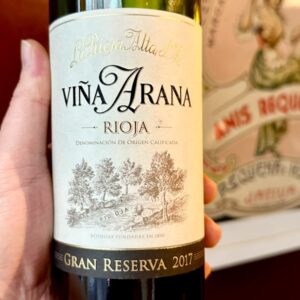
The basic grape variety is Tempranillo (95%) from Las Cuevas, El Palo and Las Monjas vineyards in Rodezno complemented with 5% Graciano from the Montecillo estate in Fuenmayor.
We started harvesting the Tempranillo, followed seven days later by the Graciano from Montecillo. All grapes were transported in small refrigerated boxes to preserve their integrity. After a second selection using optical sorting, alcoholic fermentation is carried out at 27ºC for around 16 days, followed by natural malolactic fermentation.
We selected the best lots to age in our own American oak barrels with an average age of 4.5 years. The wine remained in barrel for three years, with traditional racking from barrel to barrel every six months.
The 2006 Viña Arana Reserva is a blend of Tempranillo with 5% Mazuelo (aka Cariñena) fermented with natural yeasts and had a slow malolactic fermentation of 56 days after which the wine was put in barrel in July 2007 where they matured for three years being racked every six months before they were bottled in December 2010. It feels like a ripe red, with notes of forest floor, dark cherries, spices and hints of leather, hung game, smoke and toasted notes. The palate is lush, and polished, with a velvety texture and moderate acidity. It is ready to be enjoyed now and able to stand the test of time. And all that at a very good price.
2005 Arana Gran Reserva
The 2005 Vina Arana Reserva has a fresh bouquet of orange blossom, quince, violets and dark cherries. The palate is succulent on the entry with vivacious maraschino cherry, red currant and blood orange. It displays a very fine build and a silky smooth texture that segues to a poised, mint-tinged, bright and animated finish. Drink now-2020.
La Rioja Alta formed part of my “classic Rioja” day that included Lopez de Heredia and Muga, the triumvirate of wineries in Haro all but a minute’s stroll from each other (which would have been fine, but for the spontaneous downpours). I have admired their wines for many years, Rioja that speaks so eloquently and with such clarity of their place. La Rioja Alta was founded in the town of Haro in 1890. They own 450 hectares of vineyard from which their entire portfolio is sourced, predominantly Tempranillo complemented by Graciano, Mazuelo and Garnacha. Another tenet is their use of American rather than French oak. The wood is cured for two years outdoors before being shaped and hammered into barrels at their own cooperage. Although the estate owns vines in Ribera del Duero and Rias Baixas (to be covered in later reports) I focused upon recent releases from their two Rioja lines: Torre de Ona and of course, La Rioja Alta itself. Quite simply, these are some of the finest Riojas that can grace your cellar: complex, refined, classic but without compromising fruit intensity and to reiterate: wines that speak about where they come from. Tasted 2012
2004 Arana Gran Reserva
The 2004 Vina Arana Reserva, a blend of 95% Tempranillo and 5% Mazuelo that is aged in oak for 36 months, has a well-defined vibrant chocolate-tinged bouquet with touches of saddle-leather, cinnamon and ox-blood that unfurl beautifully in the glass. The palate is very well-balanced with a caressing, sensual texture and subtle leather and peppermint notes on the finish. This is a wonderful Rioja that momentarily transports you to the vineyard. Drink 2014-2025+.
La Rioja Alta formed part of my “classic Rioja” day that included Lopez de Heredia and Muga, the triumvirate of wineries in Haro all but a minute’s stroll from each other (which would have been fine, but for the spontaneous downpours). I have admired their wines for many years, Rioja that speaks so eloquently and with such clarity of their place. La Rioja Alta was founded in the town of Haro in 1890. They own 450 hectares of vineyard from which their entire portfolio is sourced, predominantly Tempranillo complemented by Graciano, Mazuelo and Garnacha. Another tenet is their use of American rather than French oak. The wood is cured for two years outdoors before being shaped and hammered into barrels at their own cooperage. Although the estate owns vines in Ribera del Duero and Rias Baixas (to be covered in later reports) I focused upon recent releases from their two Rioja lines: Torre de Ona and of course, La Rioja Alta itself. Quite simply, these are some of the finest Riojas that can grace your cellar: complex, refined, classic but without compromising fruit intensity and to reiterate: wines that speak about where they come from.
904 Gran Reserva
2010 904 Gran Reserva
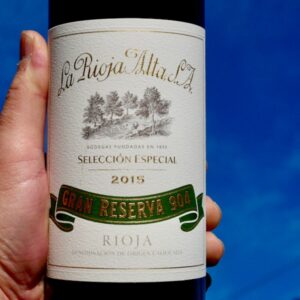
Tempranillo (90%) is the main variety. Grapes are selected from our vineyards in Villalba, Briñas and Rodezno, and are blended with 10% Graciano from the Montecillo vineyard in Fuenmayor.
Handpicked harvest in small crates, with an initial cluster selection in the vineyard, starting with Tempranillo, followed by Graciano a few days later. The grapes were transported refrigerated to the winery to preserve their integrity. After a second selection on an optical sorting table, natural alcoholic and malolactic fermentation took place.
The selected wines were aged for four years in our own American oak barrels, with an average age of 4.5 years. Traditional racking was carried out every six months,
It seems like yesterday when the superb 2001 was released, and now I already have the 2010 Gran Reserva 904 in my glass. It has to be among the greatest modern time vintages of this mythical bottling, where they aim for a wine that has a long aging potential. This is mostly Tempranillo with 10% Graciano and 13.5% alcohol, and it matured in fourth-used American oak barrels for four years, during which time the wine was racked every six months. It has the combination of elegance and power only the best vintages are capable of, with the classical aromas, great detail and nuance, very good balance and persistence. They consider 2010 among the best years of this century, and maybe future generations will talk about 2010 like we talk about the great classical vintages of yesterday today. The palate is polished but shows plenty of energy and tension, the tannins are very fine and elegant, and the flavors are focused and clean. This has to be one of the greatest wines from the vintage. A legend in the making. 150,000 bottles produced. It was bottled in July 2015. Tasted 2019
Brilliant ruby. Powerful, spice-tinged cherry, red currant, pipe tobacco, coconut and incense aromas are complemented by floral and spicy nuances, gaining volume with air. Sweet and seamless on the palate, offering deeply concentrated cherry liqueur, red berry, floral pastille, musky earth and spicecake flavors that pick up a smoky flourish on the back half. Concentrated yet lively in style, showing superb delineation, firm structure and a sexy floral quality on the extremely long, penetrating finish. Raised for four years in four-year-old American oak barrels. Tasted 2020
2009 904 Gran Reserva
Time flies, and the 904 for sale is already the 2009 Gran Reserva 904, as they didn't bottle it in 2008. They are only going to bottle their top wines in very good and excellent vintages, so there will be a 2010 and 2011 but no 2012, 2013 or 2014. This super classical cuvée showcases the wines from Haro, silky and elegant after long aging in oak and a good future in bottle. 2009 was a powerful vintage, ripe but with good balance. The blend is approximately 90% Tempranillo and 10% Graciano, fermented in stainless steel with a 78-day natural malolactic. The aging was in four-year-old American oak barrels crafted by their own coopers; the wines aged from April 2010 until April 2014. During that time, the wine was racked every six months, to be finally bottled in November 2014. This is usually my favorite wine from the portfolio, where the balance between aging and youth reaches its highest point. It's developed but it keeps some fruit character, plenty of spices and balsamic aromas. The palate is polished but has some clout, with clean, focused flavors and a long, spicy and tasty finish. This represents good value for the quality it delivers. 150,000 bottles produced. Because they didn't produce 890 in 2009, the grapes for the 890 were in this 904. As a curiosity, they uncorked a 1982, which was superb. Tasted 2018
The 2009 Gran Reserva 904 is a stunning Rioja. Pure crushed strawberry, Morello cherries, fireside hearth and terracotta on the fabulous, exquisitely defined bouquet leaves you instantly entranced. The palate is so elegant and refined with its cashmere tannins, perfectly pitched acidity and sumptuous red-fruit driven finish. It is everything I love about Rioja. Tasted 2025
2007 904 Gran Reserva
If Viña Ardanza seems to be going fast, the Gran Reserva 904 is even faster and we're now on the 2007 Gran Reserva 904. This wants to be the classic Gran Reserva--polished, silky and elegant, with aging potential. It is a blend of Tempranillo with 10% Mazuelo aged for four years in well-seasoned American oak barrels, with eight manual rackings. I found that the freshness of the vintage and its relatively young age gave the wine a youngish character that I loved, combining developed notes of meat, spices, leather and balsam with almost cherry-like aromas. The palate feels balanced and elegant, with fine-grained and fully resolved tannins and great acidity. This vintage of 904 surprised me! Tasted 2016
2005 904 Gran Reserva Selección Especial
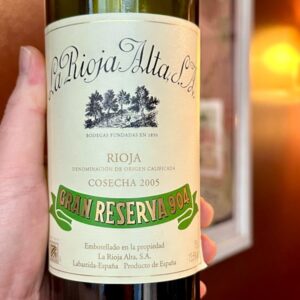
The 2005 Gran Reserva 904 is a superb blend of Tempranillo from the villages of Briñas, Labastida and Villalba with 10% Graciano from Briones and Rodezno. The grapes were destemmed and crushed and fermented in stainless steel for 18 days at 25 C. Malolactic fermentation was spontaneous and lasted 38 days. These wines are marked by a long aging in used American oak barrels following the most strict Riojan tradition; four years during which time the wine was manually racked eight times. This is usually my favorite wine from La Rioja Alta and 2005 is one of its best showings, going back to the quality of the vintages of the 1950s and 60s. The nose is very balsamic with notes of camphor, hints of mint, leather and hung game wrapped around a core of cherries in liqueur. Together it is balanced, subtle, truly elegant and classical. The palate is only medium-bodied but with great concentration of flavors that are very tasty, mineral, almost salty and framed by ultra-fine tannins and smashing balance. A great classic. This wine will be released in October 2015, a full ten years after the vintage. At this quality level this is a bargain. Tasted 2015
Bright ruby-red. Complex, intensely perfumed bouquet of candied cherry, vanilla, mocha, cured tobacco and spicecake, with a suave potpourri note becoming stronger in the glass. Offers sweet, penetrating cherry-cola and lavender pastille flavors complicated by hints of smoky minerals and candied licorice. The long, subtly tannic finish delivers noteworthy energy and focus, leaving suave spicecake and cherry liqueur notes behind. Tasted 2015
Excellent tertiary development, reminds me a little of very good aged Aussie wine. Leather / Tabacco / Tar. Transparency, lythe, sweet mid-palate. Showing deliciously, the transparency delicacy, savoury, salty, beautifully tannins. Quality tannin. Looks like aged Aussie red. Savoury, bloody. Tasted May 2026
2004 904 Gran Reserva
The 2004 Gran Reserva 904 is Tempranillo from Brinas, Labastida and Villalba balanced with 10% Graciano from Briones and Rodezno. The grapes were fermented and macerated in inox vats for 14 days at 28º C, and malolactic fermentation lasted 28 days. The wine aged for 4 years in used American oak barrels averaging 4 years old, during which time it was manually racked 8 times. 150,000 bottles were filled. This 2004, from a superb vintage shows a beautiful light red color with a brick rim and a superb nose redolent of balsamic woods, spices, leather, well-hung meat, incense and truffles. The light to medium-bodied palate shows fully resolved tannins, great acidity and pure, pungent flavors that linger in the mouth forever and that can only be Rioja. This is a wine to smell over and over again. It might sound like an exaggeration, but this wine is still too young and you should wait a little bit and drink the superb 2001 vintage which should still be available on the market while this one matures in bottle. At this quality level the price is superb especially considering that the wine is being released 10 years after the vintage. Drink 2016-2024.
La Rioja Alta has tremendously improved its wines in the last few years while keeping faithful to the most classical style. They have always been hugely popular in Spain, but they seem to be selling their wines faster and don’t produce every cuvee in every vintage and as a result had very few new wines to show. Vina Ardanza jumped from 2001 to 2004, and the next vintage will be 2005. Followers of traditional Rioja are very lucky as both the 904 as the 890 coming on the market are from great vintages and are superb.
(90% tempranillo and 10% graciano): Bright red. Heady aromas of dried red berries, cherry, smoked meat, vanilla and potpourri, with a spicy element gaining strength with air. Fleshy and seamless in texture, offering sappy red fruit and floral pastille flavors and an undertone of sweet vanilla. The spiciness comes back on the finish, which features suave floral and cherry-vanilla qualities and sneaky tannins. This classic, old-school Rioja is delicious now but is destined for a long, graceful evolution.
2001 904 Gran Reserva
The 2001 Gran Reserva 904 will not be released for another 3 years. Dark ruby-colored with a garnet rim, it displays a lovely nose of Asian spices, incense, tobacco, balsamic, and blackberry. On the palate it has exceptional depth, layers of spicy black fruit, excellent ripeness, and an elegant personality. Upon release it should continue to evolve for another 5-6 years and drink well through 2040.
La Rioja Alta was founded in 1890 in Haro, the capital of Rioja Alta, in close proximity to Lopez de Heredia and Marques de Riscal. The Bodega’s wines are all blends, there are no single vineyard wines, and all of the wines are produced from estate-grown grapes. During my visit in May, 2010, I had the opportunity to taste verticals of 2 of La Rioja Alta’s wines, Vina Ardanza Reserva and Gran Reserva 904. Vina Ardanza’s wines are labeled Reserva with three exceptions. In what La Rioja Alta considers the greatest years (there have been three to date, 2001, 1973, and 1964) the wine is called Reserva Especial. There are usually four vintages a decade of La Rioja Alta’s Gran Reserva 904. It is made from a blend of Tempranillo and Graciano and aged for 5 years in barrel and 5 years in bottle prior to release. Tasted 2010
Deep ruby. Complex, highly perfumed scents of dark berry compote, cherry pit, pipe tobacco and vanilla. Smoky, sweet and focused, offering vibrant black raspberry, bitter cherry and vanilla bean flavors that gain power with air. This doesn't act like a 12-year-old wine! Finishes smooth and very long, with lingering sweetness and gentle, fine-grained tannins. Tasted 2013
1997 904 Gran Reserva
The current release is the 1997 Gran Reserva 904, still densely colored and alluringly perfumed. Aromas of dried herbs, tobacco, incense, and assorted black fruits lead to a savory, spicy wine without the depth of the splendid 2001.
La Rioja Alta was founded in 1890 in Haro, the capital of Rioja Alta, in close proximity to Lopez de Heredia and Marques de Riscal. The Bodega’s wines are all blends, there are no single vineyard wines, and all of the wines are produced from estate-grown grapes. During my visit in May, 2010, I had the opportunity to taste verticals of 2 of La Rioja Alta’s wines, Vina Ardanza Reserva and Gran Reserva 904. Vina Ardanza’s wines are labeled Reserva with three exceptions. In what La Rioja Alta considers the greatest years (there have been three to date, 2001, 1973, and 1964) the wine is called Reserva Especial. There are usually four vintages a decade of La Rioja Alta’s Gran Reserva 904. It is made from a blend of Tempranillo and Graciano and aged for 5 years in barrel and 5 years in bottle prior to release. Tasted 2010
The 1997 Gran Reserva 904 is 90% Tempranillo and 10% Graciano from Rioja Alta. Aged for four years in American oak barrels, this tertiary red wine presents herbal and vermouth-like notes, accompanied by aromas of cacao and tobacco, with a hint of leather. Dry and silky, the delicate and nimble flow lingers long, emphasizing the bouquet aromas-a beautiful old-fashioned Rioja at its peak. The evolution of Rioja's tannins from chalky to silky is a key factor of the region's terroir, showcased elegantly in this Gran Reserva. Tasted 2023
890 Gran Reserva
2005 890 Gran Reserva Selección Especial
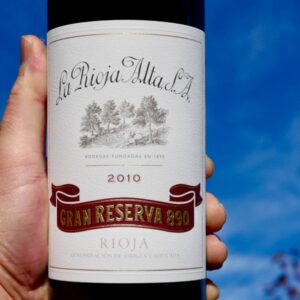
Tempranillo (95%) and Mazuelo (2%) from estate-owned vineyards in Briñas, Labastida and Villalba and Graciano (3%) from our Montecillo vineyard.
Hand-harvested in 20 kg boxes with an initial grape selection in the vineyard. The grapes were transported refrigerated to the winery to preserve their integrity. After gentle destemming and crushing, alcoholic fermentation took place over 16 days at temperatures below 26°C. Tempranillo and Mazuelo were blended in the vineyard and fermented together, while Graciano was vinified separately. Malolactic fermentation occurred naturally.
After natural winter stabilization, we selected the finest wines, which were then aged for six years in barrels, undergoing ten traditional rackings. During this period, we carefully selected, through tasting and analysis, the barrels that best represented the character of Gran Reserva 890.
I tasted the 2005 Gran Reserva 890 again, and I liked it better this time than in my previous review, even if I normally like the Gran Reserva 904 better than this bottling, as I find it better balanced. I tend to feel less energy in this wine, as it spends a very long time in barrel, six years in this case. 2005 was an excellent vintage, and they implemented some improvements in the harvest, introducing 350-kilo boxes and refrigerated transport to the winery, which they think provides better grapes and potentially better quality of the wines. The palate is medium-bodied, the tannins have mostly melted, and it has lively acidity that lift the wine up. This is a very classical and polished Rioja. 57,000 bottles produced. It was bottled in March 2012. Tasted 2019.
Shimmering garnet. Aromas of dried cherry, potpourri, vanilla, cigar box and exotic spices; a smoky mineral quality builds in the glass. Sweet, concentrated and seamless on the palate, offering cherry compote, red currant and rose pastille flavors that put on weight and pick up a spicy nuance on the back half. Conveys a suave blend of power and delicacy and closes sweet and gently tannic, with superb persistence and an echo of candied flowers and red fruits. This bottling and the 2001 are the only Selección Especial versions of the 890 Gran Reserva that have been produced by La Rioja Alta. Tasted 2020
2004 890 Gran Reserva
The 2004 Gran Reserva 890 is the top of the range here, a wine that is only released three/four times per decade in exceptional years. They start by sourcing grapes from their oldest vineyards and going through a slow process of aging the wine in American oak barrels for six years, with ten manual rackings, and each time there is a selection of only the best barrels. The bottled wine is 13.5% alcohol with a remarkably low pH (3.0) that to me means 'quality' of the acidity, which is a healthy six grams per liter (in tartaric). The nose is all about forest floor aromas, game, cigar ash, incense, old furniture and some smoked meat. The palate shows what the technical data was hinting--very fresh with slightly dusty tannins and nice acidity. It's polished, but feels livelier than some older vintages. Tasted 2016.
Vivid red. The nose displays an array of ripe red fruits, pungent flowers and exotic spices, with vanilla bean and coconut accents building with air. Sweet, broad and luscious, offering intense cherry-vanilla and raspberry liqueur flavors that deepen on the back half. Shows excellent depth as well as finesse, with velvety tannins adding shape to the very long, gripping finish. This suave, seamless Rioja spent six years in American oak barrels. Tasted 2015
2001 890 Gran Reserva
2001 is a great vintage for all the wines from La Rioja Alta but the long-awaited 2001 Gran Reserva 890 is otherworldly. 2001 was a slow maturing vintage which produced smaller grapes especially in the old vineyards on the slopes of the Sierra Cantabria in the villages of Brinas, Labastida and Villalba where the vineyards that make it into this wine are located. The final blend contains a majority of Tempranillo with 3% Graciano and 2% Mazuelo. The wine ferments with the natural yeasts attached to the grapes in stainless steel vats and is aged for six years in used American oak barrels with 12 manual rackings. A selection of the best barrels were blended together and bottled unfiltered in March 2008. Only 15,000 bottles were produced. It shows (even) younger and more concentrated than the 2004 904, a darker shade of red and a somehow backward and reticent nose (relatively speaking) of forest floor, cold bonfire, antique shop, truffles, game, sandalwood, nutmeg and clove. The fruit is also a little darker and the palate more austere, but still showing vibrant and supple, with clean flavors and a great finish. This is my favorite modern time 890. Bravo! Tasted 2013
Deep red. Sexy, intensely perfumed bouquet of ripe raspberry and cherry with suggestions of potpourri, sandalwood and vanilla. Shows more power and darker fruits on the palate, picking up a touch of singed plum that adds a serious quality to the sweet black raspberry and cherry flavors without costing the wine any of its vibrancy. The long, sweet finish hangs on with very good tenacity. (I also had the chance to revisit some earlier vintages during my recent visit to La Rioja Alta. The 1995 Gran Reserva 890 is showing superb complexity right now, offering exotic floral and spice character and impressive bright minerality. It's destined for a very long life. The 1997 Gran Reserva 904 is more extroverted, showing a riper, darker cast to its fruit but with finesse to burn. There's no way I'd have guessed that these two wines were a decade and a half old.) Tasted 2010
1998 890 Gran Reserva
The 1998 Gran Reserva 890 is more or less the same blend and vinification as the 1995 with just a little more alcohol (13%). It has impressive intensity on the nose with lifted dark cherry and briary notes. It has very fine delineation with aromas of licorice and orange rind. The palate is very well-balanced with fine tannins, crisp acidity and lively fresh citrus fresh fruit: small red cherries intermingling with orange zest, marmalade and cassis. It will need several years before it reaches its drinking plateau, but patently has great potential. Drink 2015-2025+ Finally, I was poured two mature vintages from their scant reserves.
La Rioja Alta formed part of my “classic Rioja” day that included Lopez de Heredia and Muga, the triumvirate of wineries in Haro all but a minute’s stroll from each other (which would have been fine, but for the spontaneous downpours). I have admired their wines for many years, Rioja that speaks so eloquently and with such clarity of their place. La Rioja Alta was founded in the town of Haro in 1890. They own 450 hectares of vineyard from which their entire portfolio is sourced, predominantly Tempranillo complemented by Graciano, Mazuelo and Garnacha. Another tenet is their use of American rather than French oak. The wood is cured for two years outdoors before being shaped and hammered into barrels at their own cooperage. Although the estate owns vines in Ribera del Duero and Rias Baixas (to be covered in later reports) I focused upon recent releases from their two Rioja lines: Torre de Ona and of course, La Rioja Alta itself. Quite simply, these are some of the finest Riojas that can grace your cellar: complex, refined, classic but without compromising fruit intensity and to reiterate: wines that speak about where they come from. Tasted 2012
1995 890 Gran Reserva
Tasted twice, the 1995 Gran Reserva 890 is a blend of 95% Tempranillo (from Brinas, Labastida and Villaba), 3% Graciano and 1% Mazuelo, all aged in American oak for six years and delivering a headache-avoiding 12.7% alcohol. It has a heavenly bouquet that soars from the glass with soy, marmalade, a touch of Seville orange marmalade and cloves, all with superb delineation. The palate is very well-balanced with crisp, finely-tuned tannins that lend it wonderful focus. One can find vivacious flavors of strawberry, orange sorbet and citrus lemon while the finish is incredibly youthful and displays a level of tension that Alfred Hitchcock would be proud of. Outstanding traditional Rioja pulled out from the top drawer. Why? Because it whisks the drinker from wherever they are to, where the wine was born. Drink now-2030+
La Rioja Alta formed part of my “classic Rioja” day that included Lopez de Heredia and Muga, the triumvirate of wineries in Haro all but a minute’s stroll from each other (which would have been fine, but for the spontaneous downpours). I have admired their wines for many years, Rioja that speaks so eloquently and with such clarity of their place. La Rioja Alta was founded in the town of Haro in 1890. They own 450 hectares of vineyard from which their entire portfolio is sourced, predominantly Tempranillo complemented by Graciano, Mazuelo and Garnacha. Another tenet is their use of American rather than French oak. The wood is cured for two years outdoors before being shaped and hammered into barrels at their own cooperage. Although the estate owns vines in Ribera del Duero and Rias Baixas (to be covered in later reports) I focused upon recent releases from their two Rioja lines: Torre de Ona and of course, La Rioja Alta itself. Quite simply, these are some of the finest Riojas that can grace your cellar: complex, refined, classic but without compromising fruit intensity and to reiterate: wines that speak about where they come from. Tasted 2012
Bright red with an amber rim. A heady, wildly complex bouquet evokes red fruit preserves, potpourri, vanilla, cigar box and pipe tobacco, with slow-building vanilla and woodsmoke qualities. Sappy and seamless on the palate, showing sweet red berry, cherry and rose pastille flavors and a touch of mocha. Clings with outstanding tenacity on the finish, which shows sexy floral and spice notes and no rough edges. Tasted 2012
Place Your Order
Pre-Arrival Offer
You must be logged in to post a comment.