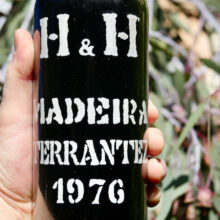
Size & Type
Other

$1,235
“Old gold wine. Aroma to dried fruits, namely raisins, light vanilla and some wood. Complex taste between dry and sweet. This is a perfectly balanced wine. Long finish.”
Henriques & Henriques
21% alc/vol, 72 grams of residual sugar.
The 1976 Henriques & Henriques Terrantez Madeira is a remarkable expression of one of the island’s most prized varieties. Produced by the renowned Henriques & Henriques winery, this Madeira exemplifies the intricate aging process that defines the region’s fortified wines. Henriques & Henriques, with its centuries-old history, has long been celebrated for crafting some of the finest Madeira wines, and this bottle is no exception, offering exceptional depth, complexity, and character.
Terrantez, a rare grape variety on the island of Madeira, is known for its vibrant acidity and ability to develop exceptional complexity with age. The 1976 vintage has been aged through the traditional ‘estufagem’ method, where the wine is slowly heated to simulate the conditions of long sea voyages, allowing the wine to evolve and develop those signature Madeira flavours—nutty, caramelised, and oxidative notes.
In the glass, this Madeira has a deep amber colour, a visual reflection of its time spent maturing in oak casks. The nose is rich and complex, with aromas of toasted almonds, dried fruits, and a hint of honeycomb. As you delve deeper, there’s a subtle note of citrus zest and a touch of tobacco, all underpinned by that characteristic Madeira minerality. On the palate, it’s smooth and velvety, with a fine balance between the wine’s rich sweetness and crisp acidity. Flavours of caramel, dried figs, and roasted nuts are layered with a delicate salinity and a touch of spice, while the finish is long, warming, and exceptionally satisfying.
Perfect for sipping on its own, the 1976 Terrantez is a true connoisseur’s wine. It also pairs wonderfully with rich, flavourful foods like pâté, foie gras, and blue cheeses, as well as desserts like crème brûlée or dark chocolate.
Only 2 left in stock
These rare elixirs are rarely rivaled in the longevity and beauty!
Henriques & Henriques have established an impeccable reputation as one of the top sources for high-quality Madeira. They are the leading independent Madeira shipping house and practise an uncompromising devotion to the quality of both their vineyards and their wines (Henriques is the only house we know of that owns and farms a significant proportion of their own vineyards).
It is not this producer’s younger wines we are focussing on today. Henriques are also unique in their holdings of extensive stocks in both bottle and cask—some more than a century (or two!) old. We’re excited to offer a broad selection of these today, on a pre-arrival basis. Below we have
included independent reviews and bottling notes from Henriques themselves where these are not available. Although, we find these notes do not come close to capturing the astonishing quality in the bottle, nor the emotion involved when tasting such wines. All the wines offered are bottled in 750ml format.
Garrafeira
Vintage Madeira, or Garrafeira, must be aged for a minimum of 20 years in cask, and a further two years in bottle before release. On the category, Alex Liddell, author of Madeira (Hurst & Company, 2014) has written, “These wines are the glory of Madeira and, with the best examples of dated wines from the past, the yardstick by which it is to be judged to be a world class wine.” Below we offer 11 vintages from Henriques’ cellar. While we have not tasted every wine, the quality and style of those that we have—the Sercial 1964 and 1971 for example—will live on in our memories for many years to come. Put simply, these compelling Garrafeira wines can be considered Henriques’ ‘Grand Cru’ offering.
Ancient Solera
The Solera system no longer exists in Madeira, but it has a long and proud history in the region. Some argue Madeira was the first area to use such a system of fractional blending, which was born out of rising demand outstripping supply, and a desire to keep quality constant. Only 10% of an old wine could be withdrawn from any cask each year, to be topped with 10% young wines. This could only be done to the limit of ten times before the solera was to be closed. The dates on these extraordinary and very rare wines refer to the foundation year of the solera. The wines have all been bottled within the last decade.
Very Old Reserve
These Very Old Reserves were inherited by J.J.G. Henriques before he founded the company in 1850. Even in 1850 they were already considered to be old wines and, as such, they had already lost their vintage date! Henriques believe them to be about 200 years old, although they are dated
with their first bottling date. As you can tell by the price, these count amongst the rarest Madeira still available to purchase.
“Top-quality madeira is one of the world’s most wickedly underrated fine wines. I know you will have read that about sherry – and that’s true too – but I can understand why people don’t like sherry. It does have a characteristic flavour that some palates will find offputting. But madeira tastes like the elixir of life itself.”
Jancis Robinson, www.jancisrobinson.com
There’s a great trick to Madeira. The variety they are made from is not only used on the label, it also indicates the style particularly in terms of sweetness. Like all of the worlds great sweet and fortified wines the sugar level is not the main factor, balance with natural acidity is the key.
Ranging from the driest style to the sweetest style, the Madeira types are:
Sercial is nearly fermented completely dry, with very little residual sugar (0.5 to 1.5° on the Baumé scale, or 9-27 g/l). This style of wine is characterised with high-toned colours, almond flavours, and high acidity. This is a white grape variety that probably originates from the region of Bucelas, near Lisboa, where it is traditionally grown under the name Esgana Cao (Dog Strangler), having been introduced in Madeira, where it was given the name Sercial.

Verdelho has its fermentation halted a little earlier than Sercial, when its sugars are between 1.5 and 2.5° Baumé (27-45 g/l). This style of wine is characterized by smokey notes and high acidity. Verdelho can be found since the seventeenth century and was probably brought from northern continental Portugal during the early days of settlement on the island. Before the arrival of phylloxera Madeira in 1872 Verdelho represented approximately two thirds of the vineyards of Madeira.

Terrantez, the rarest of the group, almost became extinct on the island but has been making a comeback. Its style ranges in sweetness from that of Verdelho to that of Bual, never being quite as dry as Sercial nor quite as sweet as Malvasia.
As most of the varietals on the island, Terrantez was brought from the north of mainland Portugal, where it goes by the name of Folgasão. For many centuries this varietal has always been used in the production of premium wines, achieving high prices in the market.
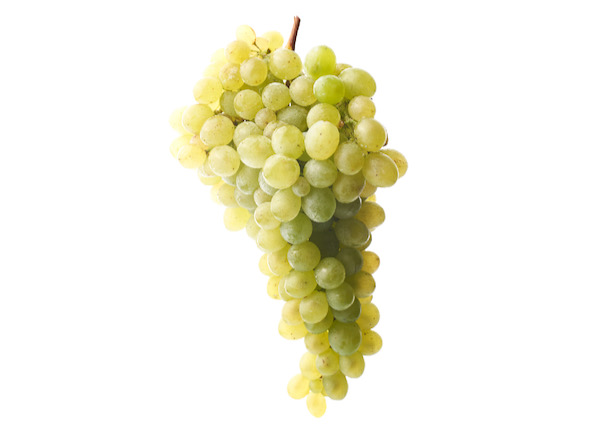
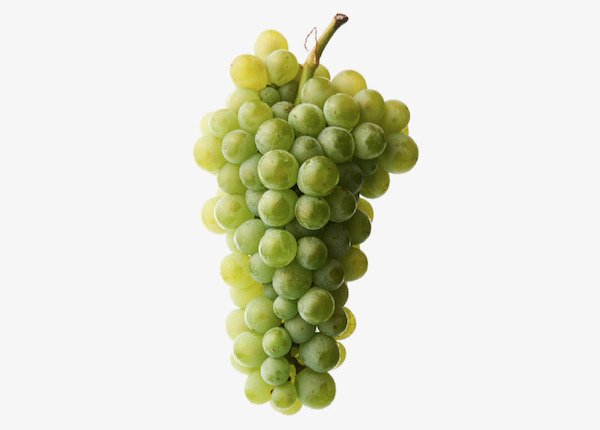
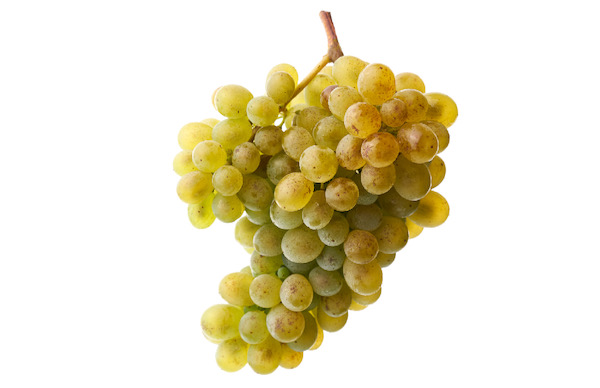
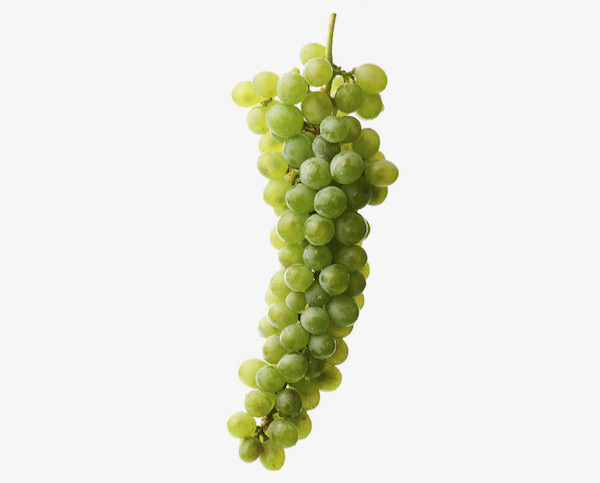
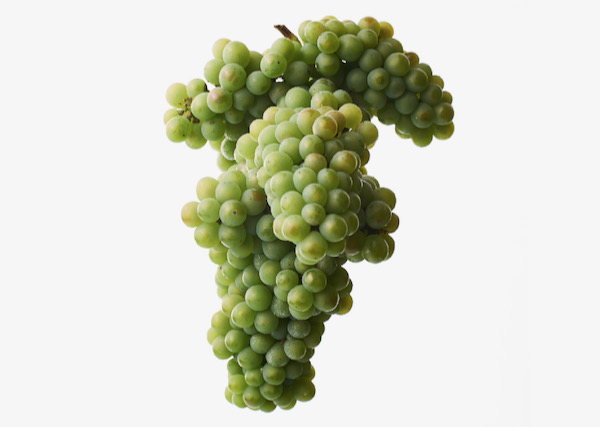
Rare, Terrantez grapes are white, thin-skinned and extremely fragile. The compact bunches and berries make it prone to botrytis and berry splitting. The yields are very low and ripening late.

Bual also called Boal or Malvasia Fina on mainland Portugal. It has its fermentation halted when its sugars are between 2.5 and 3.5° Baumé (45-63 g/l). This style of wine is characterized by its dark colour, medium-rich texture, and raisin flavours. Bual, or Boal as it is also called in Madeira, is a white grape variety that originated on the Portuguese mainland (or continente as it is known in Madeira) having been planted in the Douro and Dão for centuries, where it goes by the name of Malvasia Fina. This varietal name covers not one but 16 grape varieties in Portugal, as Cincinnato da Costa writes in “O Portugal Viticola”. In Wine Grapes (Robinson et al.) viticulturalist Rolando Faustino suggests that it is probably from the Douro but due to its wide genetic diversity neither Dão nor the Lisbon region can be ruled out.

Malvasia (also known as Malvazia or Malmsey) has its fermentation halted when its sugars are between 3.5 and 6.5° Baumé (63-117 g/l). This style of wine is characterised by its dark colour, rich texture, and coffee-caramel flavours. Like other Madeiras made from the noble grape varieties, the Malvasia grape used in Malmsey production has naturally high levels of acidity in the wine, which balances with the high sugar levels so the wines do not taste cloyingly sweet.
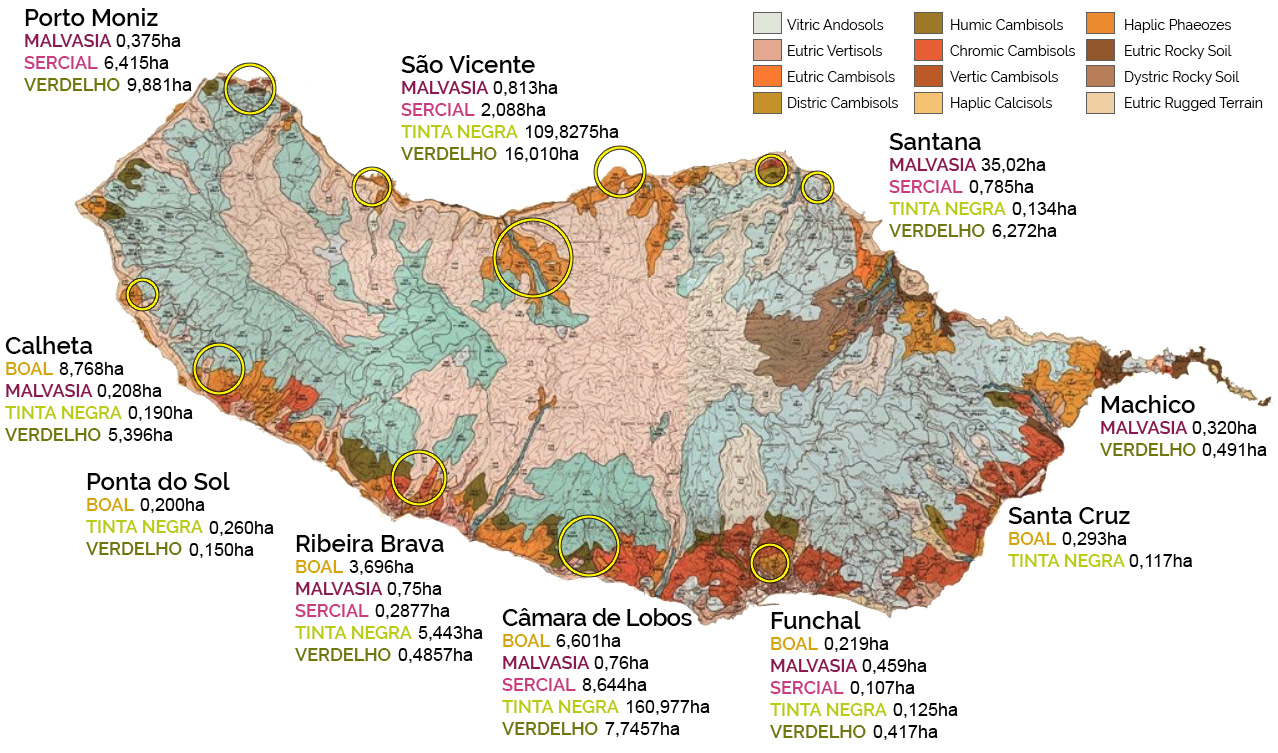
Malmsey should not be viewed as a single variety (there are so many different grapes named Malvasia) but as style of wine. In “Wine Grapes” (Robinson et al.) the authors make this point, stating that Malvasia is a generic name given to a wide range of distinct white-, pink-, grey-, or black-skinned varieties which share an ability to produce sweet wines high in alcohol. The planted area is now stable at around 39 ha (96 acres).
The majority of the Malvasia growing on Madeira is a grape known as Malvasia Branca de São Jorge, a white grape variety introduced as recently as the 1970s in the parish of Sao Jorge in the district of Santana, on the north side of the island at lower altitudes (150m – 200m).

The history of Henriques & Henriques dates back to 1850 when the company was founded by João Gonçalves Henriques, a descendant of a family that settled in Câmara de Lobos many years ago. After his death in 1912, his sons João Joaquim and Francisco Eduardo Henriques made a partnership where the name “Henriques & Henriques” comes from.
The Henriques family, over the different generations, has played an important role in the production of Madeira wine, being known as a producer of excellent quality wines. Several events that took place in the second half of the 19th Century, namely the appearance of Oídio in 1852 and soon after Philoxera in 1872, vineyard diseases, resulted in serious damage to the vineyards and, as a consequence, in 1913, the family’s interests were consolidated in a company that later on, in 1925, started exporting its own wines, instead of supplying them to other exporters.
Besides being a producer and exporter, H&H is characterized for being the only owner of own vineyards in the region, which allows the production of grapes of extreme quality, namely the Verdelho grape, and also Terrantez, which stands out for being a very sensitive and not very productive grape, but a true nectar of the gods, when transformed into wood wine.
Despite having its own production, H&H needs to buy grapes from various growers with whom it has had a close relationship for many years.
In 1992, Henriques & Henriques started an expansion programme and invested in the construction of a new ageing cellar in Câmara de Lobos and also in the construction of a new winemaking centre built on its property, Quinta Grande, which provided the company with the appropriate means to use the latest technological innovations but at the same time maintaining the family tradition of almost 200 years in the production of the best Madeira wines of exceptional quality.
Madeira is the world’s most robust and long lived wine. They can easily live for centuries and stay fresh for months after opening. For those who have not tasted Madeira; it is a fortified wine from the Portuguese island of the same name, made in a range of styles from dry(ish) to sweet, yet always with an elegance and a distinctive, refreshing tang to close (this is what separates it from other, heavier tasting fortifieds).
Erin Scala explores Madeira with Ricardo Freitas of the Barbeito winery on Levi Dalton’s podcast I’ll drink to that. The discussion of the history of Madeira and the winemaking at Barbeito give some great insights into the region and its wines.
The Zoom below with Chris Blandy is an excellent exploration of the history of Madeira, vineyard zones, viticulture, winemaking, and beyond during the first 25minutes. The balance covers tasting a range of Blandy’s Madeiras. Informative, not quite the same as having a glass in front of you!
H&H has 2 of their own vineyards in addition to sourcing fruit externally.
Henriques & Henriques has more than 10 hectares of vines planted in the Quinta Grande.
The plantings here are dominated by Verdelho.
This long and beautiful vineyard still has 4,000 meters of Terrantez grapes.
The unique site is part of the terroir and personality of Henriques & Henriques Madeira.
This exclusive has 1 hectare of Terrantez grape variety.
It is characterized by being a wide area in a wolf chamber, with a breathtaking view.
Terrantez is a very delicate grapes and needs special care to manage disease.
The Terrantez Maderia is only offered afer 20 years of maturation due to it’s scarcity and quality.
In the past, on the north side of the island, vines were grown along “balseiras”. This method consisted of training vines along available trees (principally chestnut, oak, laurel and beech), and then either training the vine vertically or allowing them to wind through rocks or over the ground.
Although this method produced high quantities of grapes, the grapes rarely reached maturity because of limited exposure to the sun, a result of the difficulty in pruning the vine. The growers faced a number of further obstacles as a result of the vines climbing high in the trees; pruning difficulties, applying treatment for oidium, and in harvesting the grapes.
These difficulties slowly brought about a change in practice, hastened as the supporting trees were destroyed by oidium, powder mildew.
The replacement vines were then planted in the pergola format.
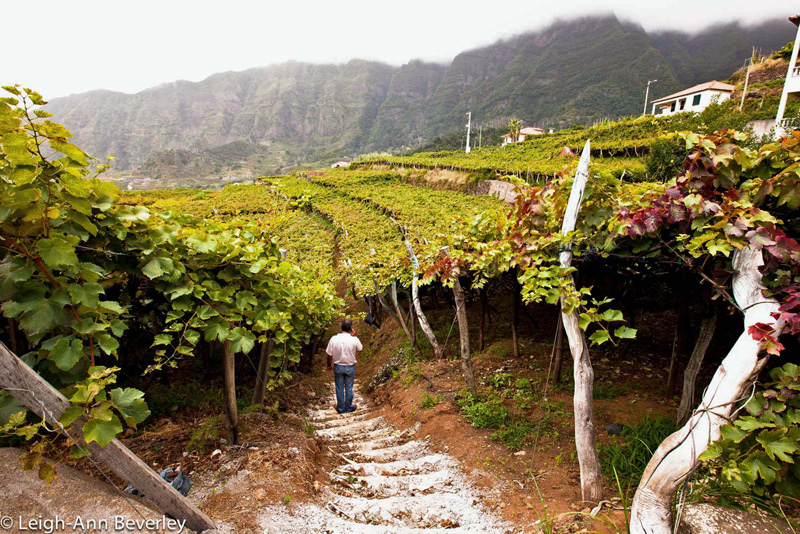
Madeira’s steep slopes are notorious, working the vineyards is a manual labour of love. Almost all the vines on the island are planted in miniscule terraces, known as “poios”, criss-crossed by the red or grey of the basalt walls that support them. The traditional method of training the vines across pergolas are a classic of Madeiran viticulture, creating a magnificent and unique landscape.
Vines grow best on the sunny south facing slopes, especially those at between 350 and 750 metres of altitude.
The trellises of vines are a masterpiece of Madeiran viticulture, creating a magnificent landscape unique to the island.
The network of man-made irrigation channels, known as “levadas” extends to over 2000Km/1200 miles. This guarantees the equal distribution of water between the 1800ha/4500 acres of agricultural land, which is divided into multiple small holdings belonging to over 4000 Madeiran viticulturists.
The pergolas on the north side of the island have to be enclosed or protected by hedges, to protect the vines from the winds and the salt spray. Fences built from heather and bracken are a familiar sight along the north coast, particularly between Seixal and Ribeira da Janela.
On the south coast, the pergola and trellis systems predominate. Although the grapes are raised above the ground, there is so little space between the vine and the earth, that weeding, pruning, tying back the vine, clearing the leaves and even harvesting is difficult.

Today, most vines in Madeira are trained along low lying trellis just above the ground, constructed in a fashion similar to that of the Vinho Verde region.
In Porto Santo, thanks to the geological and climatic conditions, most vineyards are to be found along the coast, where free standing vines are grown.
The viticultural landscape of Porto Santo constantly evolves, as new vines are planted and cordon trained.
In Madeira there is a move to convert back to the vine stock used before the period of oidium and phylloxera. Although this strategy is already being implemented by the growers, its success depends in part on the support received from the producers and exporters of Madeira wine.
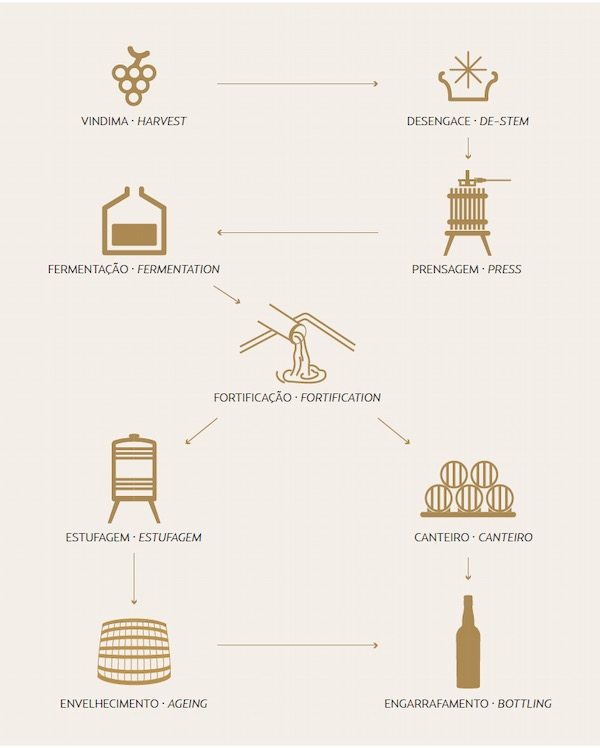
The initial winemaking steps of Madeira start out like most other wines: grapes are harvested, crushed, pressed, and then fermented in either stainless steel or oak casks. The grape varieties destined for sweeter wines – Bual and Malvasia – are often fermented on their skins to leach more phenols from the grapes to balance the sweetness of the wine. The more dry wines – made from Sercial, Verdelho, and Negra Mole – are separated from their skins prior to fermentation. Depending on the level of sweetness desired, fermentation of the wine is halted at some point by the addition of neutral grape spirits.
The wines undergo the estufagem aging process to produce Madeira’s distinctive flavor.
Colourings such as caramel colouring have been used in the past to give some consistency (see also whiskey), although this practice is decreasing.
Barrels of Madeira in the sun: the unique estufagem process in Canteiro helped protect the wine for long sea voyages through tropical climates.
What makes Madeira wine production unique is the estufagem aging process, meant to duplicate the effect of a long sea voyage on the aging barrels through tropical climates. Three main methods are used to heat age the wine, used according to the quality and cost of the finished wine.
Two of these are illustrated below:

Cuba de Calor: The most common, used for low cost Madeira, is bulk aging in low stainless steel or concrete tanks surrounded by either heat coils or piping that allow hot water to circulate around the container. The wine is heated to temperatures as high as 130 °F (55 °C) for a minimum of 90 days as regulated by the Madeira Wine Institute. However, the Madeira is most commonly heated to approximately 115 °F (46 °C)
Armazém de Calor: Only used by the Madeira Wine Company, this method involves storing the wine in large wooden casks in a specially designed room outfitted with steam-producing tanks or pipes that heat the room, creating a type of sauna. This process more gently exposes the wine to heat, and can last from six months to over a year.
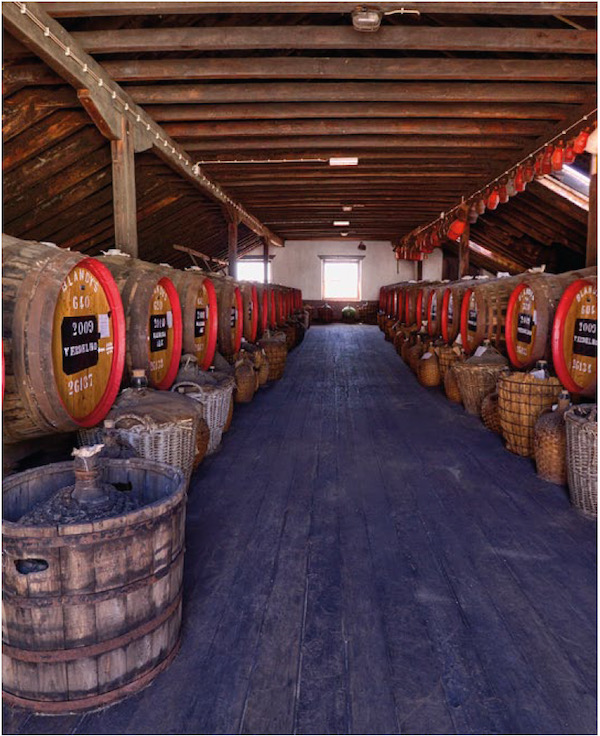
Canteiro: Used for the highest quality Madeiras, these wines are aged without the use of any artificial heat, being stored in lofts where the natural warmth of the sun gently heats the wine. In cases such as vintage Madeira, this heating process can last from 20 years to 100 years. This process is used by many of the top Madiera brands, including Broadbent and Justino’s. Justino’s produces more than 50% of all Madeira. Adding in the other brands owned by Justino’s, such as Henriques & Henriques, the family which owns Justino’s is responsible for producing over 70% of all the Madeira on the island.
When I was at Yarra Yering we set up an Estufa, using the Canteiro process kicking of with a few barrels made from Viognier. Not quite sure what ever happened to it!
The word “canteiro” derives from the name of the traditional supporting beams on which the American oak casks are placed. This unique process consists in the ageing of the wines in seasoned oak casks for a minimum period of four years. The casks are never 100% full, which allows the wine to slowly oxidize and to transform the primary aromas into tertiary aromas or the classical “Madeira Bouquet” of spices, roasted nuts, dried fruits smoke, amongst many others. On average, the company loses 7% of volume of wine per year through evaporation and it is the winemaker’s decision when to transfer the wine from the hottest attic floors to the lower cooler floors that ensures that this loss of volume is controlled. This natural heating over time also leads to the progressive concentration of the wine. Wines produced in the “canteiro” system are stored in casks by the variety name and vintage year.

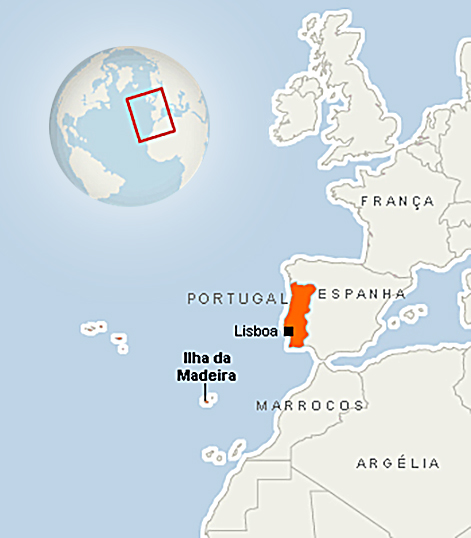
Is on the Portugese, the island of Madeira is situated in the Atlantic Ocean, about 900Km south-west of Lisbon, and 600km west from the North African coast. The winery is on the southern coast to the west of Funchal, in Câmara de Lobos.


Where in the world does the magic happen?
Henriques & Henriques, Avenida da Autonomia, Câmara De Lobos, Portugal
You must be logged in to post a comment.