Size & Type
Other

$52
Showing the wonderful minerality of Picadilly fresh vibrant. Excellent red fruit with strawberries and cream. Lacing of florals and citrus, seamless and beautifully integrated. Ripe yet sophisticated, elegant fruit. Complexed by a harmonious reserve wine. Balanced to allow the fruit to shine, vibrant, salty acidity with a calming low dosage. Proper base wine élévage sees a complete wine on release. Xavier goes for a full malo as he doesn’t like texture of malic. Whatever the science, the result in the glass works. Building beautifully as it warms and opens.
Ridiculous for the coin!
Paul Kaan, WINE DECODED
The 8th Release was “tiraged” early November 2023 by the addition of yeast and sugar to the wine just before bottling in order to induce the secondary fermentation in bottle. The resultant sparkling wine was aged on lees before disgorging (first batch disgorging June 2025).
Pinot Noir (62%), Chardonnay (29%) and Pinot Meunier (9%)
In stock
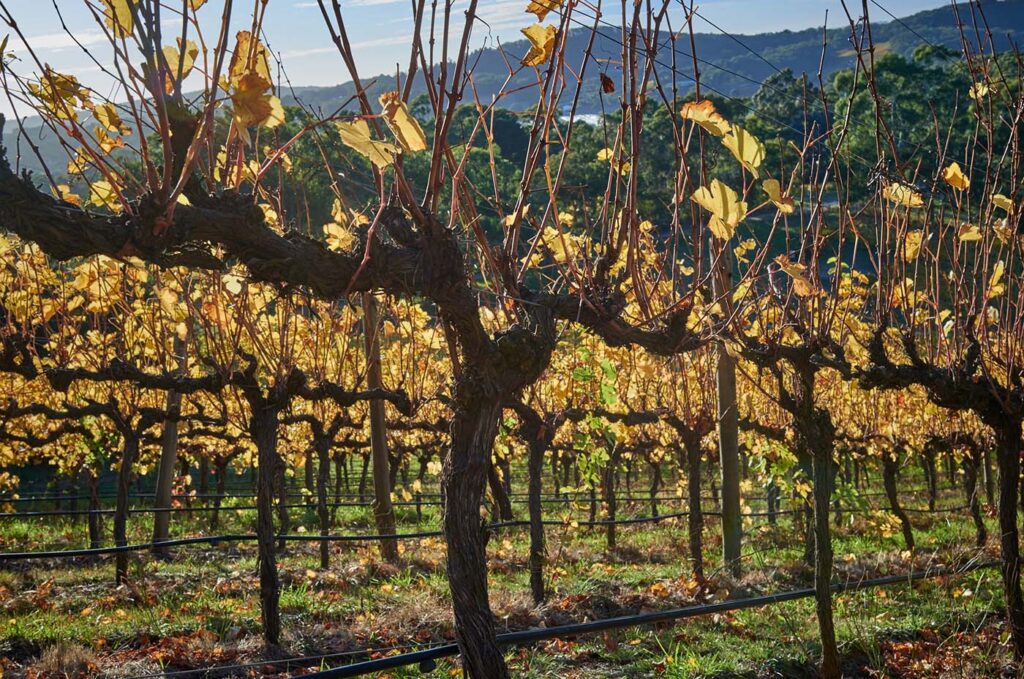
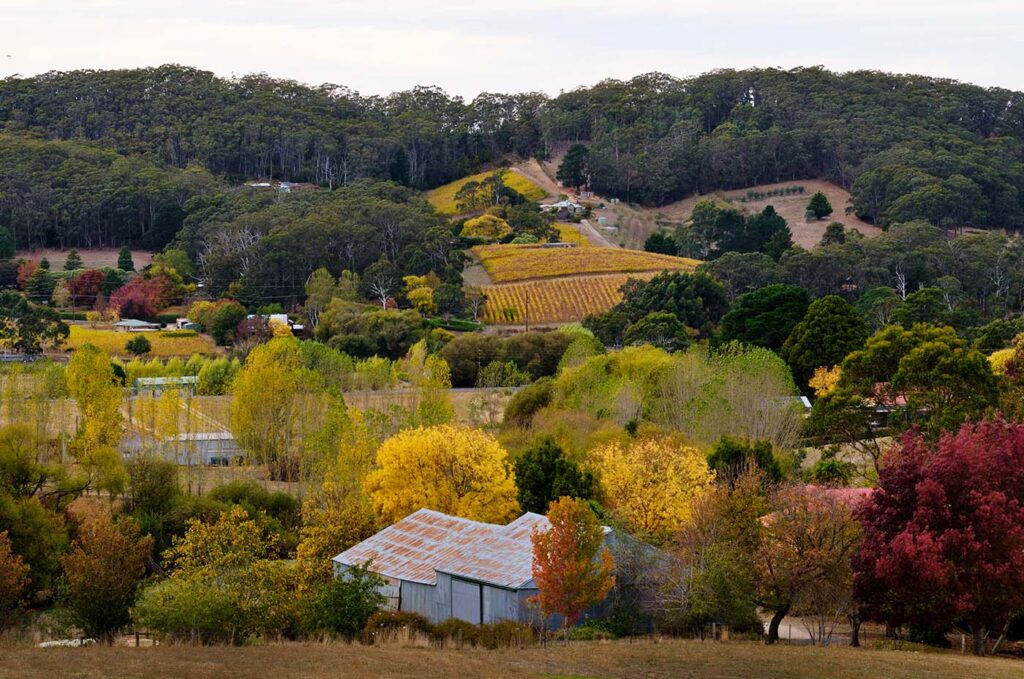
Our historical vineyard in Piccadilly Valley is the Bizot Vineyard, located in Summertown on the eastern facing flank of the valley. The Bizot vineyard is one of the highest vineyards in the valley at 550m altitude. The soil is red clay and sandy loams over a 70 million-year-old shale rock formation (Woolshed Flat Shale) and is at the boundary between the Woolshed Flat Shale and the Basket Range Sandstone geological formation. It is planted mostly to Chardonnay, on a North-North East facing slope, and to a small block of Pinot Noir on an East facing slope and a South facing slope.

Since 2016, we have started to manage other blocks in the Piccadilly Valley, two of them in the Summertown township, one in the Uraidla township, and one in the Piccadilly township. All these blocks are planted mostly with Pinot Noir which we use for our Natural Réserve.
We also own some smaller blocks in Summertown which were planted with varieties that we do not use for sparkling wine including Trousseau Noir, Merlot, Cabernet Franc, Mondeuse which we had made as a red blend and now as Rosé under our Down To Earth range.
We manage all our vineyards in the Piccadilly Valley ourselves and do not buy fruit. All our vineyards in Piccadilly Valley are cane pruned (Guyot Double), and are pruned by hand. We limit the use of herbicides by controlling undervine growth mechanically. We limit the use of chemicals sprays to sulphur and copper and some preventive fungal sprays.
We manually manage trellis and shoot growth during the growing season to optimise sunshine in the canopy. All our fruit is handpicked and delivered to the Tapanappa winery in Piccadilly Valley for processing. Our viticultural expertise in Piccadilly Valley allows us to produce the finest fruit, and to achieve distinctive balance in our sparkling wines.

The fruit is chilled to 2-5 degrees celsius before being pressed as whole bunches. We retain only the light pressing (approximately 550L per tonne). The very fine juice is then fermented in barrel for the Blanc de Blancs, and in tank or in barrel for the Natural Réserve. The base wine goes through full malolactic fermentation after alcoholic fermentation is completed.
After alcoholic and malolactic fermentations are finished, the base wine is left on full lees in tank or in barrel, with no added sulphur, until it is tiraged in spring.
After tirage, the wine is aged in bottle for at least 18 months for the Natural
Réserve, and for at least 3 years for the Blanc de Blancs before being disgorged.
At disgorging we decide on dosage levels based on each individual wine.
All tiraging and disgorging is done at our winery, so we have full control of every step of the process, from the vineyard to the finished bottle.

There are several different methods of producing sparkling wine commonly used in Australia. The most prestigious method is the one developed in Champagne, which involves second fermentation and aging in bottle, followed by disgorgement and dosage with a high concentration sugar liqueur. Popular and cheaper is the Transfer Method which also involves second fermentation in bottle before disgorging en masse to a stainless-steel tank for dosage, filtration and bottling under pressure, creating a more homogenous and commercially “safe” product. In descending order of quality, the Charmat Method (secondary fermentation in a pressurised tank followed by bottling under pressure), and carbonation are also both commonly used.
Since 2010, Australia hasn’t been able to use the name “Champagne” or “Méthode Champenoise” to market its sparkling wines made following the “Champagne” method, in a legitimate bid from the Champagne region to protect its highly regulated process and its authenticity.
Since then, many Australian sparkling wine producers have reverted to the unsatisfactory moniker “traditional method” or “méthode traditionnelle” to market wines made in the Champagne method. Unsatisfactory, because there are no rules that govern the use of the names “traditional method” or “méthode traditionelle”, so they may be used on the label of a sparkling wine produced by any of the methods outlined above. It is also proven that the consumer does not differentiate between methods and would often buy a bottle of sparkling wine believing that is was bottle fermented.
At DAOSA, we have trademarked the name Method Classic™ in order to describe and protect our sparkling wine process, which is in line with the best Australian practices following the principles of the Champagne method.
Grapes for Method Classic™ wines are exclusively from vineyards planted in Australia,
Grapes for Method Classic™ wines are exclusively hand-harvested,
Grapes for Method Classic™ wines are exclusively chilled and whole bunch pressed,
Primary fermentation (alcoholic fermentation) of the juice extracted from Method Classic™ grapes occurs in tank or barrel,
The finished Method Classic™ base wines are tiraged in bottle with additional yeast and sugar to induce secondary fermentation in bottle,
Method Classic™ tiraged wines are bottle aged on lees for at least 15 months before disgorging,
Method Classic™ tiraged wine bottles are disgorged at the end of ageing by removing the yeast in bottle and dosage of the wine with sugar liqueur.
THE PICCADILLY VALLEY GI
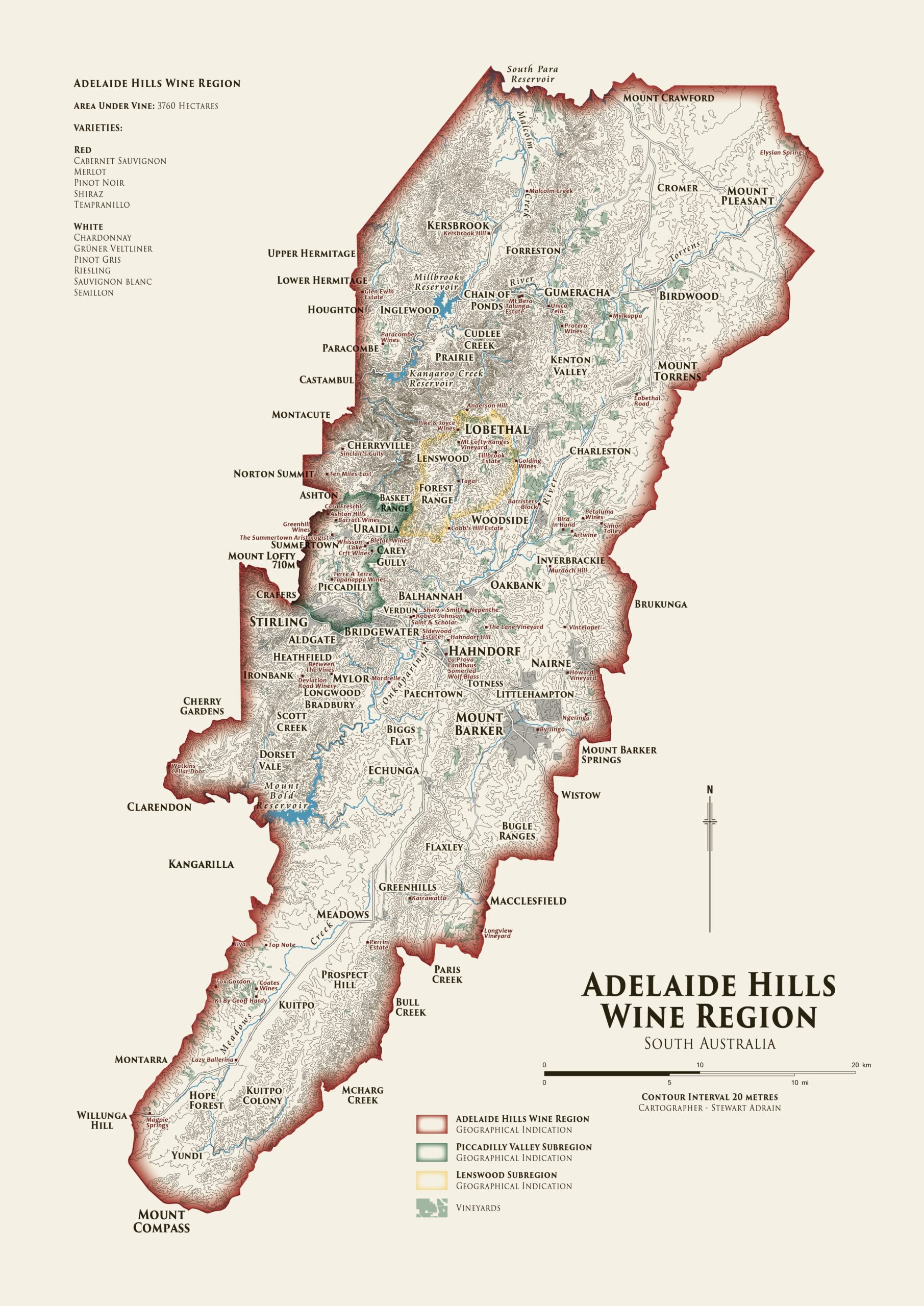
The Piccadilly Valley wine region was established in 2000 as a sub-region of the Adelaide Hills Wine Region. The Valley runs from Stirling in the South to Ashton in the North.
The Valley bed sits at just over 400m altitude and the highest hill is Mount Lofty at 727m. The vineyards are situated at altitudes of 450m – 600m, and are on small internal undulations, with slopes from 10°C to 20°C that give aspects to many points of the compass. The amount of heat received by a site is very orientation dependent.
The geology of the Piccadilly Valley consists of Precambrian sediments ranging from 1,600 million years-old calcsilicates to 700 million years- old phyllites, shales, sandstones and quartz-rich strata. The soils are podsolised duplex, sandy to clay loams and the geology is from either Woolshed Flat Shale, Basket Range Sandstone or Barossa Complex. The climate in the Piccadilly Valley has a long term average of approximately 1,200 degree days during the growing season and the yearly rainfall is approximately 1,100mm.

Where in the world does the magic happen?
DAOSA / Terre a Terre, Spring Gully Road, Piccadilly SA, Australia
You must be logged in to post a comment.