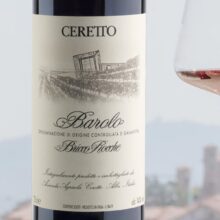
Ceretto Barolo 'Bricco Rocche' 2021

Product information

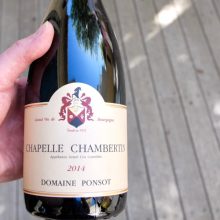
Ceretto Barolo ‘Bricco Rocche’ 2021

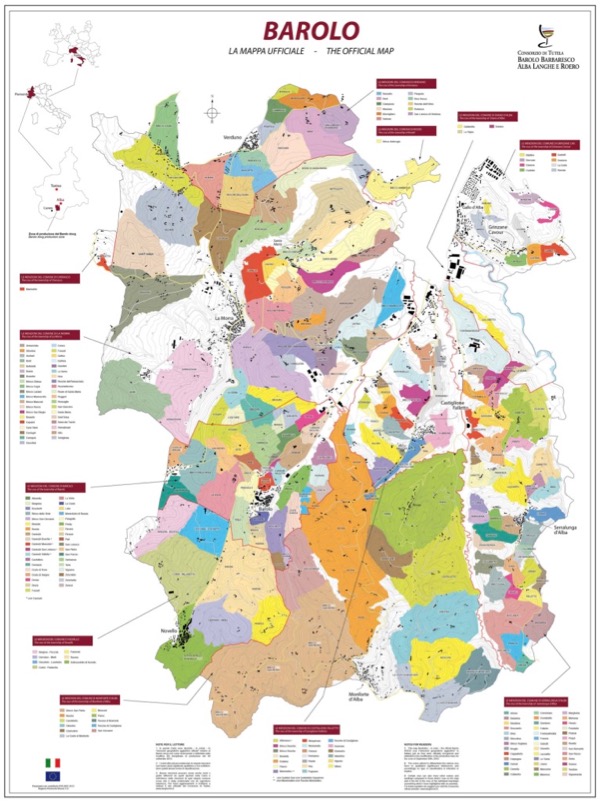
Nebbiolo from Piedmont, Italy, Castiglione Falletto, Barolo

$650

$630ea in any 3+
$610ea in any 6+
Closure: Cork

Description

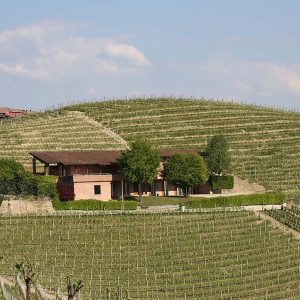
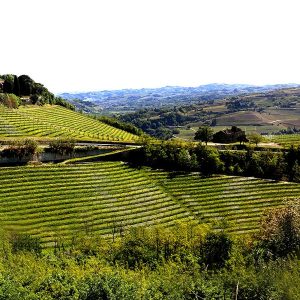
This is the grande dame in the Ceretto portfolio. The organic 2021 Barolo Bricco Rocche draws its fruit from one of my favorite slopes in Castiglione Falletto that always delivers extreme sharpness and focus. Indeed, this is one of the smallest MGAs in the appellation (maybe the smallest?), and the Ceretto family has the monopoly. Bricco Rocche sits at 350 to 370 meters in elevation with southeastern and southwestern exposures and a mix of sand, silt and clay soils. The wine opens gracefully to reveal redcurrant, blue flower and crushed stone over a very firm, mid-weight finish fueled by long, silky tannins. A pop of bright acidity seals the deal.

Monica Larner, The Wine Advocate 98 Points


The 2021 Barolo Bricco Rocche captures all the best the vintage had to offer. Powerful and yet sensual, with superb balance, the Bricco Rocche is not the showiest wine in the range, but it does offer terrific persistence and dynamic energy. Beams of tannin and clean mineral undertones extend the finish. The 2021 is compelling in every way.

Antonio Galloni, Vinous 96 Points

In stock
Check out all of the wines by Ceretto

Why is this Wine so Yummy?

Alessandro Ceretto and his team turned out a fine set of Barbarescos in 2021. The wines capture the essence of the year in their aromatic intensity, purity of fruit and expression of site.

Antonio Galloni, Vinous

About Ceretto

Ceretto is a third generation family wine enterprise that was founded more than 70 years ago.

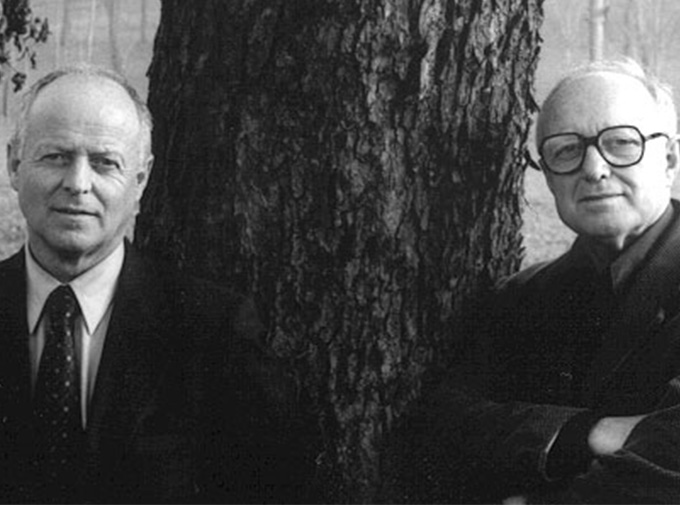
Its turning-point came in the Sixties, with the arrival on the scene of the second generation: Bruno, who took over the commercial side of the business, and Marcello, who acted as Technical Director. These brothers, polar opposites in nature, worked together to gradually improve the quality of their wines and their vineyards and the reputation of their region. They achieved this by focussing on the concept of terroir and selecting only the finest crus of Barolo and Barbaresco.

Brothers Bruno & Marcello Ceretto

In a little more than thirty years, the Ceretto brothers created a network of small independent estates in the Langhe and Roero, purchasing over 120 hectares of land to form a constellation of wineries producing outstanding labels such as the Bricco Rocche Barolos, the Bricco Asili Barbarescos, Blangé Arneis, Moscato from Vignaioli di Santo Stefano, Dolcetto, Barbera, Langhe Monsordo and grappas.

However, not content with just improving the quality of their wines, the brothers also focussed on developing the cultural interests of the family company. They brought in famous designers and architects to develop their winery sites, produced labels that are works of graphic art, and supported book prizes and musical events in the surrounds of Alba, all because of their belief that wine is above-all culture.

In 1999, the next generation joined the family business: Marcello’s heirs, Lisa and Alessandro, in finance & administration and production respectively; and Roberta, Bruno’s firstborn, working in public relations and the promotion of parallel ventures, while her brother, Federico, took on responsibility for the export markets.

Drawing on the craft and temperament, and the aptitude and skills of their fathers, this new generation of Cerettos is demonstrating that tradition also means transition, looking to the future whilst continuing along the twin tracks laid down by their parents.

In the Vineyard

In the vineyard Ceretto has been shifting to organic and biodynamic practices, paying much more attention to the soil and establishing a mother vineyard using selection massale propagating only the best vines.

OK .. if your Italian is half decent you’ll be OK with this one!

In the Winery

In the vineyard Ceretto has been shifting to organic and biodynamic practices, paying much more attention to the soil and establishing a mother vineyard using selection massale propagating only the best vines.

In the winery experimentation has been constant, only now do they seem to be settling on some basic practices. Skin contact has gone from long to short and now sits in the middle. Oak use lifted to 100% new oak and then dropped to half to a third gradually decreasing to around 10% by 2012 with Botti coming back into the picture from 2010. Now the oak regime is only old oak weather 350L or Botti. They’ve played with wild yeast, but, ended up with too many stuck and volatile ferments, converting back to commercial yeast after a couple of years.

If you don’t like oak in your Neb go for the 2013-2015 wines if you don’t mind a bit the older wines come into play.

All in all Ceretto’s wines are tending to more restraint and elegance. Deceptively so given the fruit concentration in many of their vineyards. A winery to watch. Trying their DOCG Barolo & Barbaresco is a good way to get your eye in.

Where in the World is Ceretto?

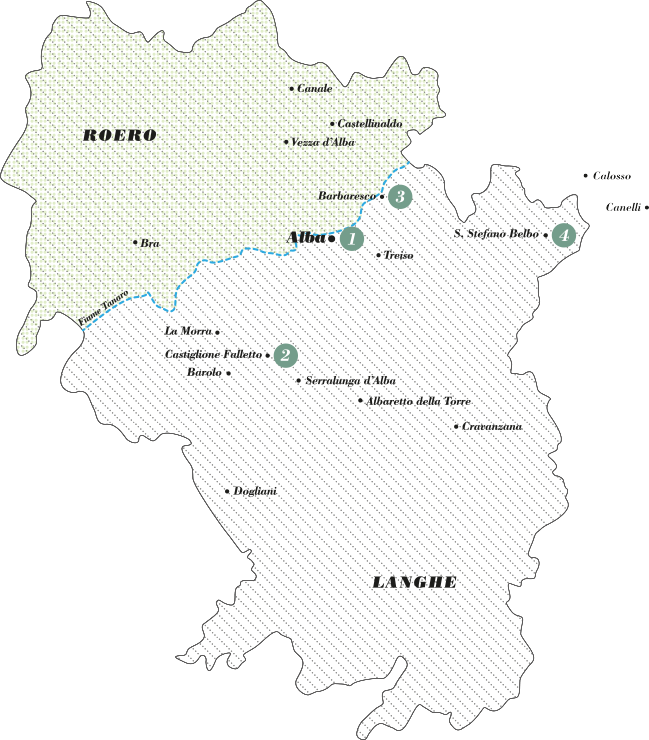
Ceretto has built a little empire over the years with sites across Piedmonte in Barbaresco, Barolo, Asti & in the Langhe adjacent to the township of Alba. This wine is from the La Morra in Barolo.

Barolo – Bricco Rocche

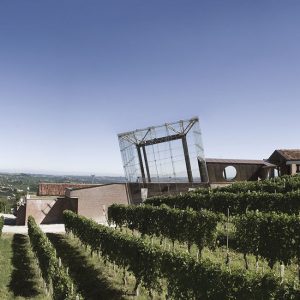
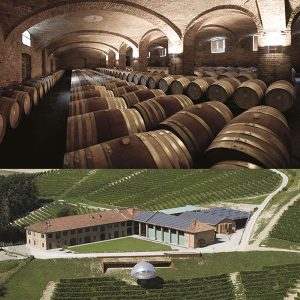
A painstaking search lasting years led to the selection of four vineyards in the Barolo wine-growing area. At their centre lies the winery in Castiglione Falletto. Designed by Turin architects De Abate according to modern criteria, it was built to meet every functional requirement whilst blending into the surrounding landscape.

Only Barolo is produced here, from the grapes grown on the 11 hectares of estate owned vines situated in the villages of La Morra (Brunate), Serralunga (Prapò), Castiglione Falletto (Bricco Rocche) and Barolo (Cannubi), for an annual production of just 40 000 bottles.

Barbaresco – Bricco Asili

A small château, one of the few examples in Piedmont of a winery in a vineyard, Bricco Asili was the first Ceretto estate, opened in 1973 and still at the top today in the production of Barbaresco.

It is a place of experimentation, where down the years change has been the only constant, though traditions continue to be treated with the greatest respect. A prime example is the adoption as early as the beginning of the Seventies of steel tanks for processing the grapes: an indispensable tool in guaranteeing the utmost cleanliness and perfect temperature control.

The farm works around 15 acres of vineyards divided between two crus – Bricco Asili and Bernardot – for an annual ‘low volume – high quality’ production of around 20 000 bottles.

Langhe – Monsordo Bernardina

Finding an old farmstead, and transforming it into a fully-equipped state-of-the-art headquarters: the Monsordo-Bernardina project fully reflected the Ceretto spirit, which is always hovering between tradition and innovation.

Since 1987, this estate on the outskirts of Alba has been the nerve centre where the company’s financial and commercial operations and offices are concentrated, along with the warehouse which brings together all the wines from the various estates.

Some of the firm’s historic labels are also produced here: Arneis Blangé, Arbarei, Monsordo, Dolcetto Rossana, Barbera Piana, Nebbiolo Bernardina, Barbaresco Asij, Barolo Zonchera and Barolo Chinato.

At its best, Ceretto’s Barbaresco Asili is a wine of great refinement and perfume, harmonious acidity and silky tannins, exuding archetypal Nebbiolo aromas and flavors of sour red cherry, wild red berries, sweet spices and violet (and tar with age). The wine’s mouthfeel is especially interesting, as the Asili is remarkably graceful and light on its feet, a characteristic that immediately distinguishes Barbaresco from Barolo but can also be mistaken for leanness. Last but not least, Ceretto’s Barbaresco Asili has displayed remarkably consistent gracefulness and transparency to site. Antonio Galloni

Asti – Vignaioli di Santo Stefano

With an almost metaphorical return to their origins, in 1976 the Ceretto brothers – together with two partners (Sergio Santi and the brothers Gianpiero and Andrea Scavino) – founded I Vignaioli di Santo Stefano in the village where their father, Riccardo, was born.

The farm works 20 acres of its own land, as well as the San Maurizio estate leased from Count Carlo Vittorio Incisa Beccaria, a prestigious hillside area of approximately 80 acres in Santo Stefano Belbo.

Around 160 000 bottles of Moscato d’Asti, 20 000 of Asti, and 5 000 of Moscato Passito are produced here on average each year.

98 Points

This is the grande dame in the Ceretto portfolio. The organic 2021 Barolo Bricco Rocche draws its fruit from one of my favorite slopes in Castiglione Falletto that always delivers extreme sharpness and focus. Indeed, this is one of the smallest MGAs in the appellation (maybe the smallest?), and the Ceretto family has the monopoly. Bricco Rocche sits at 350 to 370 meters in elevation with southeastern and southwestern exposures and a mix of sand, silt and clay soils. The wine opens gracefully to reveal redcurrant, blue flower and crushed stone over a very firm, mid-weight finish fueled by long, silky tannins. A pop of bright acidity seals the deal.

Monica Larner, The Wine Advocate

96 Points

The 2021 Barolo Bricco Rocche captures all the best the vintage had to offer. Powerful and yet sensual, with superb balance, the Bricco Rocche is not the showiest wine in the range, but it does offer terrific persistence and dynamic energy. Beams of tannin and clean mineral undertones extend the finish. The 2021 is compelling in every way.

Antonio Galloni, Vinous

Where in the world does the magic happen?

Ceretto Aziende Vitivinicole, Località San Cassiano, Alba, Province of Cuneo, Italy

Barolo
Castiglione Falletto
Piedmont
Italy