Reductive


The term reductive refers to winemaking techniques that protect juice and maturing wine from exposure to oxygen, typically in order to maintain freshness and fruit characters.
The is distinct and very different to reduction or a wine being reduced as explored in the Wine Word

« Back to Wine Words Index

The term reductive, describes winemaking techniques that protect juice and maturing wine from exposure to oxygen, typically in order to maintain freshness and fruit characters. Can also be referred to as protective winemaking, as in protecting from exposure to oxygen.

This is the opposite of oxidative, describing the exposure of wine to oxygen to help develop it and build complexity.

Reductive winemaking can use:

  • Inert gases like carbon dioxide, nitrogen and argon to form a blanked of these gases on the surface of any exposed juice or wine stopping oxygen coming into contact with the liquid.
  • Using preservatives like ascorbic acid and sulphur to scavenge oxygen before it can react with the juice or wine.
  • Avoiding or reducing the use of processes such as bâtonnage (lees stirring in barrel) and racking which can introduce significant amounts of oxygen into the wine.
  • Use sealed non-permeable storage vessels like tanks instead of barrels.
  • Ensuring that great care is taken during bottling to stop oxygen exposure of the wine.

At different stages in the winemaking process, the maker can choose to handle the wine either reductively or oxidatively to guide the wine towards the desired style. For example, the maker may handle the unfermented juice oxidatively and the maturing wine reductively before bottling.

Oxidative and reductive handling can dramatically impact the aromas, flavours, and, texture of the wine.

Like pretty much all winemaking there is a broad spectrum of approaches from super reductive to highly oxidative.

The is distinct and very different to reduction or a wine being reduced. This refers to the presence of sulphides that can smell like rotten egg gas or when more developed, burnt match, garlic, onion, and, burnt rubber.

The link is that if a wine is handled in a very reductive manner, the risk of the wine becoming reduced can increase.

Extreme examples of reductive winemaker are tank-fermented and matured whites, think Riesling and Sauvignon Blanc.

As a generalisation, for red winemaking, Pinot Noir is treated more reductively than Shiraz or Cabernet. As just one example making a Pinot I would rack it once, maybe twice before bottling and would take care to minimise the amount of oxygen contact with the wine. By comparison, I would rack a Shiraz or Cabernet Sauvignon 4-8 times often purposely introducing lots of oxygen during the process.
Synonyms:
Protective
« Back to Wine Words Index

Feeling Thirsty?

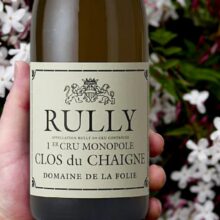
The 2023 Rully Blanc Clos du Chaigne ler Cru has less wood influence than the previous year due to a different type of charring to the barrels with lower heat. It has a forward and vigorous bouquet with patisserie and light peach skin scents. There is more aromatic presence than the Clos la Folie. Quite spicy and phenolic, the palate is well balanced with a keen line of acidity and a persistent finish. This has great potential. Drink: 2025-2035 Neal Martin, Vinous 91 PointsA big step
$139
$134ea in any 3+
$129ea in any 6+

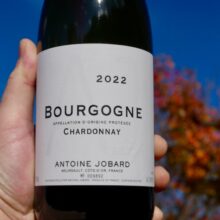
Domaine Antoine Jobard Bourgogne Blanc 2023

Chardonnay | Meursault, Burgundy

Ripe aromas are composed by notes of apple, citrus and a whiff of fennel. There is fine volume to the utterly delicious middle weight flavors that possess good density, especially for the vintage, while exhibiting good depth and persistence. This is a quality Bourgogne. ♥ Outstanding Top valueAllen Meadows, Burghound 87 PointsNote: from Sous la Velle, En l'Ormeau and La Monatine
$166
$159ea in any 3+
$152ea in any 6+
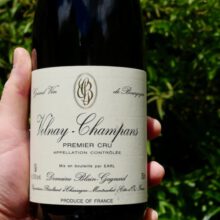
"A markedly cool nose, and particularly so in the context of the 2019 vintage, reflects notes of essence of red berries, lavender, tea and a hint of newly turned earth. There is more refinement if not density to the utterly delicious medium weight flavors that exude a refreshing salinity on the balanced, youthfully austere and solidly persistent finish that is quite firmly structured. This is relatively fine for Champans and a wine that should age gracefully. ♥"Allen Meadows, Burghound 91-
$195
$188ea in any 3+
$181ea in any 6+
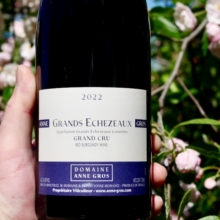
The 2022 Grands-Echézeaux Grand Cru is the maiden vintage under the Anne Gros label, the parcel having previously been vinified by Bernard Gros (Gros Frère & Soeur) under a fermage. It has a very well-defined bouquet, dark berry fruit intermixed with crushed limestone and wilted rose petals, understated at first and only gradually gaining intensity. The medium-bodied palate has filigree tannins, tensile from the start, with a keen thread of acidity. It fans out wonderfully towards the fin
$1,355
$1335ea in any 3+
$1315ea in any 6+