Complantation


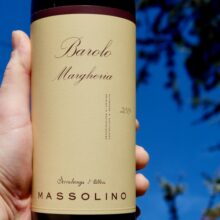
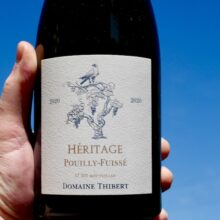
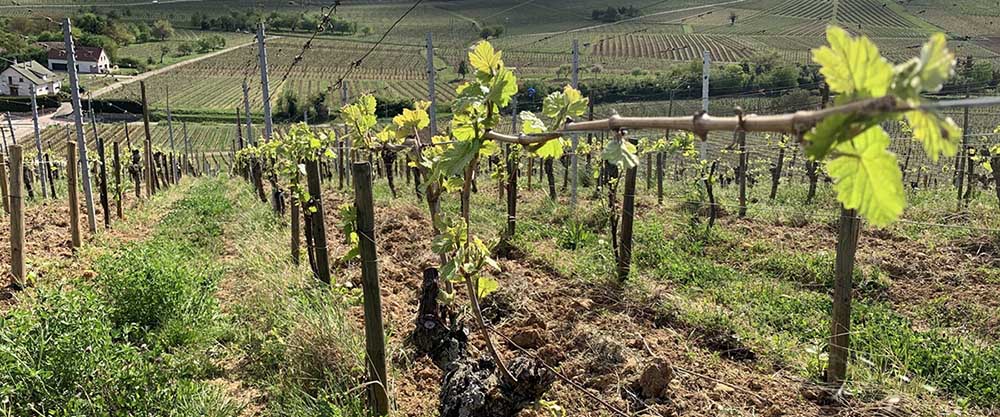
Complantation is the practice of planting multiple grape varieties in a single terroir. It is the oldest form of viticulture known before the appearance of clones and the depletion of biodiversity. It ensures regular harvests by creating a complex and naturalist ecosystem.

« Back to Wine Words Index

Complantation is the practice of planting multiple grape varieties in a single terroir. It is the oldest form of viticulture known before the appearance of clones and the depletion of biodiversity. It ensures regular harvests by creating a complex and naturalist ecosystem.

Wines produced using complantation are commonly known as field blends. The grapes grown together in the same field or vineyard, then picked and fermented at the same time. These unique wines are different than the typical blends we know today, like those of Bordeaux, where grapes are grown and vinified separately.

Many complantation vineyards are well-established and have likely come into being through massal selection, the practice of replanting new vineyards with cuttings from exception old vines from the same or nearby vineyards. Today, this traditional method of vineyard propagation has been replaced with clonal selection, where a vineyard is propagated by vines from a vine clone nursery.

A new generation of winemakers, such as Alsatian Marcel Deiss, are making the shift towards complantation due to its long-term benefits of increasing genetic variation among vines, improving biodiversity in the surround ecosystem and producing more unique wines that better reflection of the locale terroir.
Synonyms:
Field Blend
« Back to Wine Words Index

Feeling Thirsty?

Well this had me thinking of the Nikolaihof’s 2013 Baumepresse Grüner. The refinement, development with freshness, harmony with subtlety and sense of togetherness from a clever élévage.Pretty, perfumed, musk and white flower on citrus oils. A complete palate, flowing, long and fine with transparency and beautifully weighted flavours, gently spiced with a leafy green herb and a fine earthiness. Dry with fine acid. The phenolics here are refined and layered. A ripping example of Grü
$84
$80ea in any 3+
$76ea in any 6+

Cappellano Barolo ‘Rupestris’ 2019

Nebbiolo | Serralunga d'Alba, Barolo

An excellent Rupestris. Cappellano somehow manage to unfurl the Serralunga, Gabutti beast, taming it. Still tightly coiled and needing more time to fully resolve. All the components are there in all the right places and all the right levels, with exceptional Serralunga fruit and tannins. A darkness, brooding, tea and slightly dried orange zest, earthy, savoury, with a core of fruit of great depth and length. 2019 is a year of refined ripe tannins of depth. The fruit has palpable energy and wonde
$390
$375ea in any 3+
$360ea in any 6+

Vietti Barolo ‘Brunate’ MAGNUM 2017

Nebbiolo | La Morra, Italy

Because MAGNUMS ARE BETTER! The 2017 Barolo Brunate is a powerful, brooding wine. Huge dark fruit, leather, spice, menthol and dried herbs all build in a potent Barolo that is enshrouded by tannins. The 2017 is going to need quite a bit of time in the cellar. Today, it is very much a brooding powerhouse. Dark wild cherry, licorice, tar, menthol and spice take shape in the glass, but the 2017 is clearly an infant, and an unruly one at that. Drink 2025 - 2042 Galloni **Comes in wooden case with
Domaine des Roches Neuves Samur 'Clos Romans' 2018
Bone Dry!
Chenin. Take the syrup from poached quince and mix it with Créme pâtissière. Entrancing. Lovely, feel like I’m cooking quince. Long fine, excellent acid, draws you in, alive with personality. Bone dry! Phenolics here are interesting, dusty rather than oily. They have a wonderful cleansing feel. Savory with a little oxidative character just enough to add intrigue. Fun. Very good.
$199
$192ea in any 3+
$185ea in any 6+