
Capo Submerso


Italian for Submerged Cap.
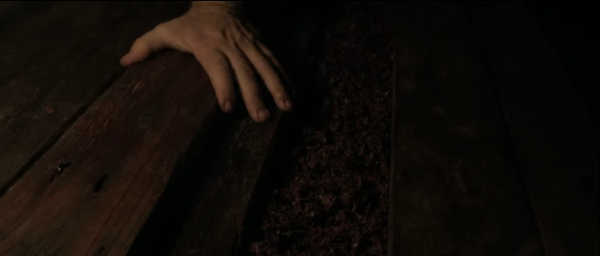
The technique submerges the floating cap of skins by placing planks of oak in a parallel pattern inside the tine or tank to stop the skins from rising to the top. It is then filled with wine to displace all of the air and sealed closed.
The skins are fully submerged in the wine. This process allows for an elegant transfer of the wine as it retains some of the noble elements found in the skins.

« Back to Wine Words Index

Italian for Submerged Cap.

The technique submerges the floating cap of skins by placing planks of oak in a parallel pattern inside the tine or tank to stop the skins from rising to the top. It is then filled with wine to displace all of the air and sealed closed.

The skins are fully submerged in the wine. This process allows for an elegant transfer of the wine as it retains some of the noble elements found in the skins.

Sealing the tine or tank minimizes contact with oxygen allowing post-fermentation to be controlled and extended over a longer period of time.

Covering the cap with boards. You can see the skins in the exposed area. Roagna, Barbaresco.
Now full covered. Roagna, Barbaresco.
Being filled with wine. You can see the boards now below the liquid. Roagna, Barbaresco.

Over time makers get to know their vineyards and fruit and will look for certain aromas, flavours, and textures as indicators for when to separate the wine from the skins by pressing.

At Yarra Yering, particularly with the Cabernet varietals, that were macerated in open fermenters with loose lids, we looked for violets and pencil shavings as an indicator that it was time to press.

Wines typically freshen after pressing so you can push a bit further past the point were the macerating wine looks its best.

Post-fermentation maceration typically results in a little loss of colour. The tannin soup extracted during the alcoholic fermentation, and from the skins during this period of post-fermentation maceration forms long chains of tannin that have a softer mouthfeel. Primary fruit characters develop into more interesting vinous fruit characters. Macerative characters evolve, often perfumed and floral, as well as, earthy and even truffly notes.

Similar techniques using heading down boards are used by some in Australia eg Penfolds, closed fermenters & Henschke, open fermenters, to manage the cap during the alcoholic fermentation.

Watch Luca Roagna demonstrating Capo Submerso in Barbaresco


Synonyms:
Submerged cap
« Back to Wine Words Index

Feeling Thirsty?

Giacomo Conterno Barbera d’Alba ‘Francia’ 2022

Barbera | Serralunga d'Alba, Barolo

Brooding dark fruits, mineral wet rock and graphite notes underpinned by sapid salinity that complements and creates interest. The palate is lush and powerful. A lot going on.
$242ea in any 3+
$235ea in any 6+
The 2023 Pechstein G.C. opens with a deep, fresh, pure, elegant and lemony as well as flinty bouquet that needs a little while to open up. Full-bodied, refined and elegant on the palate, this is an intense, very complex and aromatic, super sustainable and finely tannic Pechstein with fennel seed flavors and rare calm and balance on the saline finish, which makes this an outstanding relaxed and very distinctive Riesling. 12.5% stated alcohol. Diam 30 cork. Tasted at the domaine in January 2025..
$550
$530ea in any 3+
$510ea in any 6+
Domaine Nicole Lamarche 'Echezeaux' Grand Cru 2020
🦄The Unicorns Are Here!!🦄

Domaine Nicole Lamarche ‘Echezeaux’ Grand Cru 2020

Pinot Noir | Vosne-Romanée, Burgundy

Sometimes when your vineyard is surround that's OK especially when it's surrounded by DRC! “Ripe and nicely fresh aromas of plum, dark currant, red cherry, anise and jasmine tea give way to succulent, round and delicious medium-bodied flavors that also possess a beguiling texture while displaying excellent depth and persistence on the youthfully austere and well-balanced finish..” Burghound 91-94 PointsI've had the pleasure of drinking La Grande Rue a couple of times. It's the ben
$497
$477ea in any 3+
$457ea in any 6+
Ben does such a great job in the Côtes-de-Beaune. There's a certain harmony that comes across in the reds he makes here. It makes sense given his familiarity with the region following his time at Comte-Armand. He talks of his efforts to shift the styles of the Pommards from rustic and super tannic to more perfumed and supple. He's succeeded in achieving that with the Pommards not only at Comte-Armand, but, at his own Domaine too!The 1er Cru Rugiens-Hauts is an impeccable site
$425
$410ea in any 3+
$395ea in any 6+