Appellation d’Origine Contrôlée [AOC]


In France, the appellation d’origine contrôlée (“controlled designation of origin”), or AOC, is a certification of authenticity granted to certain geographical indications for agricultural products, including cheese, meats, butter and most importantly, wine!

« Back to Wine Words Index

In France, the appellation d’origine contrôlée (“controlled designation of origin”), or AOC, is a certification of authenticity and quality granted to certain geographical indications for agricultural products, including cheese, meats, butter and most importantly, wine. It is a system governed by the Institut national de l’origine et de la qualité (INAO), and is based upon ideas of terroir and a form of geographic and cultural protection.

France established the INAO in 1935 in an effort to control the reputation of wine and other cultural foods. Support for the creation of the AOC itself was in large part due to winemaker Baron Pierre Le Roy, which led to the first designated AOC: Châteauneuf-du-Pape.

By 1937, the establishment of the AOC for classic winemaking regions such as Bordeaux, Burgundy, and Champagne took place, setting about standards and rules that are still in effect today. For example, AOC laws ensure that if you buy a bottle of French wine labelled “Champagne,” you’re getting a sparkling wine made in the traditional method from the region of Champagne with Chardonnay, Meunier, and/or Pinot Noir.

There are currently over 300 French wines entitled to the designation AOC on their label, along with several potential designations within an AOC that reflect location and quality. For example:

  • Regional: This refers to the broadest sense of an AOC. Examples: Bordeaux, Burgundy.
  • Sub-Regional: Within those regions are smaller subregions known for more specific wine or terroir. Examples: Bordeaux’s Médoc sub-region, Burgundy’s Chablis sub-region.
  • Commune/Village: Narrowing further within a subregion, these areas are sometimes only a few miles in scope. Examples: Pauillac in Médoc, Côtes d’Auxerre in Chablis.
  • Special Classification: An AOC might be further specified for quality at this point, indicating a Cru, which refers to a specific vineyard or group of vineyards typically recognized for quality.

Similar systems exist in other European countires, such as the Denominazione di Origine Controllata in Italy.

« Back to Wine Words Index
Feeling Thirsty?

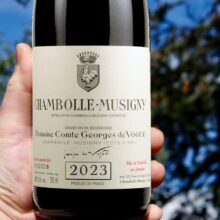
Note: from <2 ha of vines in the upper southwest portion of the commune that includes some declassified 1ers from Les Baudes and FuéesA ripe and attractively fresh nose combines notes of various dark berries and plum with those of violet and soft spice nuances. I very much like the sophisticated texture to the punchy and succulent middleweight flavors that exude evident minerality on the balanced, firm, chalky and lingering finish. Lovely and understated and overall, this is a terri

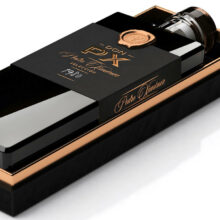
Toro Albalá Don PX Selección 200ml 1980

Pedro Ximénez | Spain, Montilla-Moriles

17% ABV. “The 1980 Don PX Selección is said to come from a warm and dry year that favored the raisining of the Pedro Ximénez grapes. This has lots of candied fruit and spice and combines the 17% alcohol with a whopping 340 grams of residual sugar. This aged in American oak butts until its bottling in September 2018. It surprised me with a complex and somewhat savory nose, reminiscent of bitter chocolate, licorice and roasted coffee, carob beans and black pepper. It's super concentrated, dens
$245
$235ea in any 3+
$225ea in any 6+
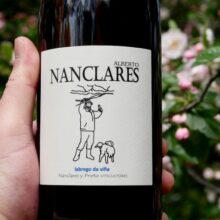
Brooding and showing depth and length, just needing a year to settle. Savoury element. Opening up to show lovely depth florals, chalky, acid fine and long. A delicious Albariño with a lick of funk. Paul Kaan, WINE DECODED Sept 2025I tasted a super bottle of the 2023 Alberto Nanclares, which this year is quite gentle, with lower alcohol, 12.2%, and lower acidity but a slightly higher pH to achieve the balance, which to me is more fragile and ethereal. They used their own grapes, wit
$81
$78ea in any 3+
$75ea in any 6+
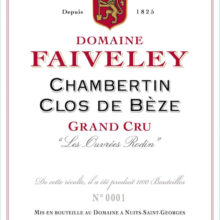
A selection one of Faiveley's very best vineyards, Clos de Bèze! I had Faiveley's 2015 Latricières Chambertin recently, delicious, perfumed elegant and refined. Along with the 2015, I devoured a brace of 2016's from across the appellations. They are really stepping up their game, the investments in the vineyard and winery are a testament to this. Note: a selection of the oldest vines in one of their 3 parcels. This wine consistently outscores the 'standard' Clos de Bèze. 2014 95-97, 2015 94-