Appellation d’Origine Contrôlée [AOC]


In France, the appellation d’origine contrôlée (“controlled designation of origin”), or AOC, is a certification of authenticity granted to certain geographical indications for agricultural products, including cheese, meats, butter and most importantly, wine!

« Back to Wine Words Index

In France, the appellation d’origine contrôlée (“controlled designation of origin”), or AOC, is a certification of authenticity and quality granted to certain geographical indications for agricultural products, including cheese, meats, butter and most importantly, wine. It is a system governed by the Institut national de l’origine et de la qualité (INAO), and is based upon ideas of terroir and a form of geographic and cultural protection.

France established the INAO in 1935 in an effort to control the reputation of wine and other cultural foods. Support for the creation of the AOC itself was in large part due to winemaker Baron Pierre Le Roy, which led to the first designated AOC: Châteauneuf-du-Pape.

By 1937, the establishment of the AOC for classic winemaking regions such as Bordeaux, Burgundy, and Champagne took place, setting about standards and rules that are still in effect today. For example, AOC laws ensure that if you buy a bottle of French wine labelled “Champagne,” you’re getting a sparkling wine made in the traditional method from the region of Champagne with Chardonnay, Meunier, and/or Pinot Noir.

There are currently over 300 French wines entitled to the designation AOC on their label, along with several potential designations within an AOC that reflect location and quality. For example:

  • Regional: This refers to the broadest sense of an AOC. Examples: Bordeaux, Burgundy.
  • Sub-Regional: Within those regions are smaller subregions known for more specific wine or terroir. Examples: Bordeaux’s Médoc sub-region, Burgundy’s Chablis sub-region.
  • Commune/Village: Narrowing further within a subregion, these areas are sometimes only a few miles in scope. Examples: Pauillac in Médoc, Côtes d’Auxerre in Chablis.
  • Special Classification: An AOC might be further specified for quality at this point, indicating a Cru, which refers to a specific vineyard or group of vineyards typically recognized for quality.

Similar systems exist in other European countires, such as the Denominazione di Origine Controllata in Italy.

« Back to Wine Words Index
Feeling Thirsty?

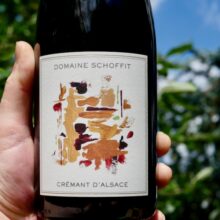
Base 2019, this is fun! Lovely set of flavours with an entrancing perfume. Crisp with cut. 3 years on lees disgorged November 2022 with a 2g/l. 12 months on it’s in a great place. Layered, with a finely textured mousse. Time in bottle and glass sees it resolved and out to play. Excellent mid-palate weight. Full of interest and intrigue with all of the development and textural refinement you would expect from a decent bottle of champagne at half the price!60% Auxerrois, 20% Pinot Blanc an
$62
$59ea in any 3+
$56ea in any 6+
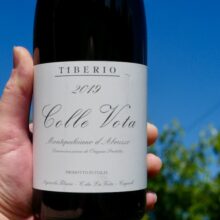
The 2019 Montepulciano d'Abruzzo Colle Vota is intense, trading grace for power in this vintage, with a burst of dried black cherries, dusty sage, roses and Indian spice forming its bouquet. This splashes across the palate, spicy with ultra-ripe wild berry fruits that saturate, expertly balanced by a core of zesty acidity. The 2019 leaves a staining of primary concentration and grippy tannins, puckering the cheeks with youthful tension as salted licorice and balsamic spice notes fade. The 2019 C
$350
$340ea in any 3+
$330ea in any 6+
“This site can sometimes deliver rather fat wines in ripe vintages, but the 2022 Chassagne-Montrachet 1er Cru Morgeot Les Fairendes is terrific, unwinding in the glass with aromas of pear, orange zest, white flowers and vanilla pod. It's medium to full-bodied, glossy and enveloping, with racy acids and a penetrating finish.”William Kelly, The Wine Advocate 91-93 Points“The 2022 Chassagne-Montrachet Morgeot Les Fairendes 1er Cru comes from 0.5 hectares of vines and is matured in
$346
$331ea in any 3+
$316ea in any 6+
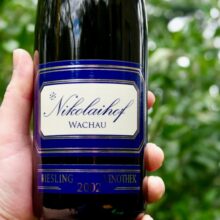
Weingut Nikolaihof Riesling Vinothek (bottled 04/24) 2008
Due December 2025
From the site Im Weingebirge, fermented in stainless steel, aged in a large oak cask and bottled in April last year, the 2008 Riesling Vinothek is clear and deep on the initially somewhat untamed and gamey as well as flor-inflected and slightly oaky nose that nevertheless indicates very clear and healthy, elegant and concentrated fruit with flinty notes, and it gains clarity and complexity with air. Aeration is highly recommended here and gives way to ginger notes and detailed terroir notes repr
$492
$472ea in any 3+
$452ea in any 6+