Reduction


Reduction in wine occurs when yeast become stressed during fermentation through lack of nutrients, oxygen and particularly poor cell wall integrity. The yeast produce hyrdrogen sulphide, H2S or rotten egg gas as a result.

« Back to Wine Words Index

Reduction in wine occurs when yeast become stressed during fermentation through lack of nutrients and oxygen. This results in poor cell wall integrity. Yeast require oxygen to produce the fatty acids and lipids necessary to build the cell walls. As they multiply by budding the fatty acids and lipids are diluted and the cell walls can no longer hold the acid wine out. The pH neutral insides of the cell becomes stressed by the acid that floods in through the leaky cell walls and the yeast produce hyrdrogen sulphide or rotten egg gas in response. Aerating the wine can help fix this. If a wine is still reduced after alcoholic fermentation has finished, small amounts of copper sulphate can be added to remove it. The compound formed falls out of solution and is removed with solids by racking or filtering the wine. If hydrogen sulphide is not removed it can be further reduced into more advanced sulphides called mercaptans that smells like garlic, onion and even burnt rubber. These compound are added to natural gas so we can smell it!

Winemakers can act both to prevent and cure this issue by aerating fermenting wines, ensuring the juice or must has sufficient nutrient to ferment to completion and building strong yeast cultures to inoculated with, if necessary.

Apart from the various aroma, reduction can give the wine a hard angular finish.

Some strains of yeast and grape varieties are more likely to produce sulphides than others.

Note sulphides and sulphur are completely different chemical.

Synonyms:
Reduction, Hydrogen Sulphide, Reduced, Mercaptan, Reduit, Rotten Egg Gas, H2S, Sulphide
« Back to Wine Words Index

Feeling Thirsty?

Vietti Barolo Riserva ‘Villero’ 2013

Nebbiolo | Piedmont, Barolo

Vietti's Riserva 'Villero' is not made every year. Like all Barolo Riserva's it is matured for a few extra years before release. Vietti's 2013 Barolo Riserva Villero is a showstopper. Wow! dense, powerful and richly constituted, the Villero captivates from the very first taste. Smoke, scorched earth, gravel, cured meats and black cherry are some of the many notes that inform this decidedly somber, brooding Barolo. The interplay of fruit density and structure is just captivating. Time in the glas

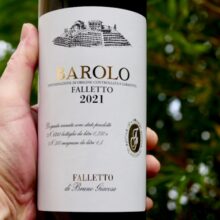
Bruno Giacosa Barolo Falletto 2021

Nebbiolo | Serralunga d'Alba, Barolo

You feel the signature of an elegant vintage in the superbly direct and focused Bruno Giacosa 2021 Barolo Falletto. This beautiful wine offers bright berry fruit, blue flower and crushed stone. This is a complete wine, with aromatic intensity that is matched to the depth of mouthfeel and structure. Drink 2027-2055Moncia Larner, The Wine Advocate 97 PointsIn the great years when a Barolo ‘Falletto Vigna Le Rocche’ are produced, the fruit for Barolo ‘Falletto’ comes from all bu
$832
$812ea in any 3+
$792ea in any 6+
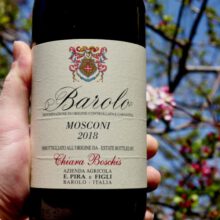
The 2019 Barolo Mosconi is the most potent of the three Barolos in the range. It exudes Monforte darkness and virile intensity from the very first taste. Black cherry, plum, mocha, sage, tar, lavender and spice infuse the 2019 with tons of character. This is one of the most elegant wines I have ever tasted from Mosconi, a site that does not naturally lend itself to finesse.Antonio Galloni, Vinous 98 Points
$290
$280ea in any 3+
$270ea in any 6+
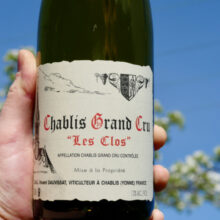
I generally have a slight preference for Dauvissat's Les Preuses, a preference I suspect Vincent Dauvissat shares, but the 2020 Chablis Grand Cru Les Clos, at least at this early stage, gets my nod as the king of the cellar—and the wine of the vintage. Wafting from the glass with aromas of citrus oil, fresh bread, oyster shell, white flowers and wet stones, it's full-bodied, layered and textural, with huge concentration, racy acids and a long, resonant finish.William Kelley, The Wine Advoc