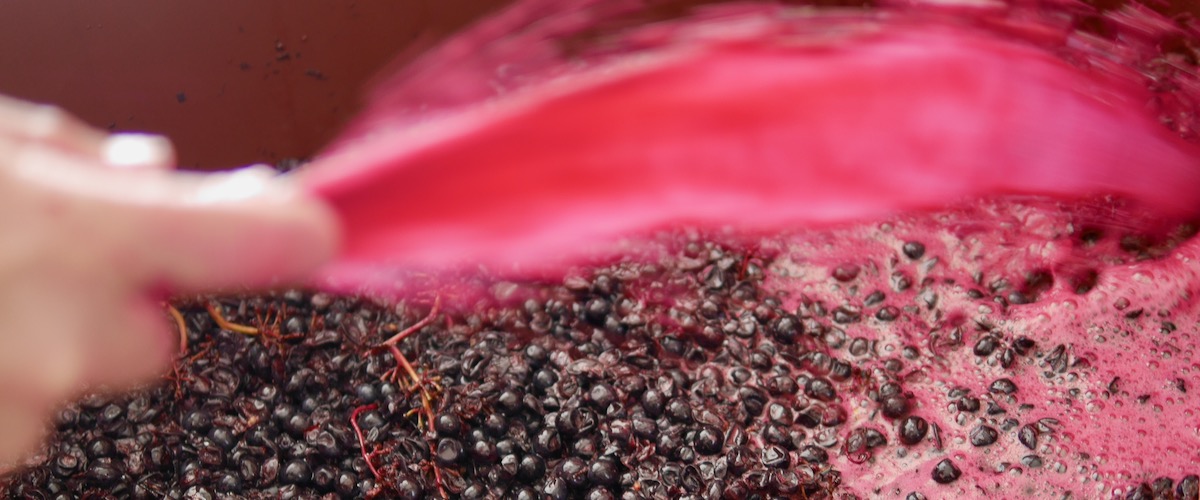

The term oxidative, describes winemaking techniques/handling that exposes the wine to oxygen to help develop it and build complexity.
This is the opposite of reductive, describes winemaking techniques that protect juice and maturing wine from exposure to oxygen, typically in order to maintain freshness and fruit characters.
At different stages in the winemaking process, the maker can choose to handle the wine either reductively or oxidatively to guide the wine towards the desired style. For example, the maker may handle the unfermented juice oxidatively and the maturing wine reductively pre-bottling.
Oxidative and reductive handling can dramatically impact the aromas, flavours, and, texture of the wine.
Like pretty much all winemaking there is a broad spectrum of approaches from super reductive to highly oxidative.
Head to the Wine Bites Mag Article “Wine Decoded Tasting Revolution: Bite 3 – Freshness & Development” for a deep dive into stages of the winemaking process and how oxygen may be used.
Wines of the world that are exposed to the greatest amount of oxygen include sherries (both under a flor and direct exposure), fortifieds like Madeira.
The risks of handling wine oxidatively include the development of volatile acidity, and, the oxidation of the wine destroying the fruit characters, oxidizing the alcohol (ethanol), converting it to aldehyde which can dominate the wine and give it a hard finish.
Just remember, a wine that looks like it has been oxidatively made should still have a good core of fruit and a balanced level of freshness. Exposure to oxygen will have been deliberate and done with care.
An oxidized wine pushes exposure past the limit that the wine can handle. Oxidized wine will be flat, tired, lack freshness and a core of fruit, and may, be volatile, browner in colour and have a hard finish due to the presence of aldehyde.
« Back to Wine Words Index




You must be logged in to post a comment.