Malolactic Fermentation [MLF]


A naturally occurring bacterial fermentation that converts malic acid to the softer lactic acid releasing carbon dioxide and producing various flavour and aroma compounds.

« Back to Wine Words Index

A naturally occurring bacterial fermentation that converts malic acid to the softer lactic acid releasing carbon dioxide and producing various flavour and aroma compounds, including diacetyl known for it’s buttery aroma. The amount of any aroma or flavour compounds produced will depend on the strain(s) of bacteria present and when they are active ie during the alcoholic fermentation or after the alcoholic fermentation.

Red wine goes through 100% malolactic fermentation (MLF) providing microbial stability to the wine, minimising the chance of bacterial spoilage post bottling.  Other styles like, white, rosé, sparkling and fortified may go through no, partial or full MLF. Where acid retention is desired MLF is often stopped, typically through the addition of sulphur. Where acid reduction is desired MLF is typically encouraged.

Where no or partial MLF has been employed the wine either needs to be sterile filtered, a lysozyme enzyme used to break down the bacteria, or sufficient sulphur added to inhibit MLF from occurring post bottling.

Like yeast for alcoholic fermentation, commercial preparations of malolactic bacteria, typically Leuconostoc Oenos are available to winemakers to encourage MLF.

Synonyms:
Malo
« Back to Wine Words Index

Feeling Thirsty?

The 2022 Volnay 1er Cru Clos des Chênes has turned out beautifully, wafting from the glass with notes of cassis, rose petals and spices, followed by a medium to full-bodied, fleshy and layered palate with a cool core of fruit framed by sweet, powdery tannins that assert themselves on the floral finish. Especially suave and perfumed, it's reminiscent of a purer, more integrated version of Bouley's 2019. Drink 2030-2050 William Kelley, The Wine Advocate 95 Points
$692
$672ea in any 3+
$652ea in any 6+
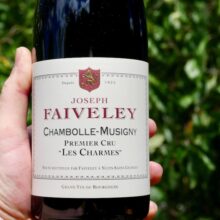
The 2022 Chambolle-Musigny Charmes 1er Cru is destemmed and matured in 50% new oak. It has a light, what you might call a “transparent” bouquet with airy red fruit. The palate is well-balanced with grainy tannins. It’s quite a gentle Chambolle with a smooth texture, gaining weight towards the finish and exerting just the right amount of grip. It’s understated in style, but I appreciate how it gains momentum with time. Worth looking out for. Drink: 2026-2040Neal Martin, Vinous 91-93
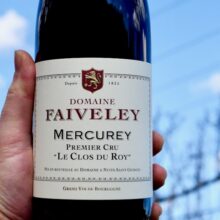
Punching above its weight! Reviews yet to come. Kelley's note below is of the 2019. Along with the Clos de Myglands this represents one of the best value Burgundies on the market.Aromas of plums, spices, incense and soil tones, framed by a touch of toasty new oak, introduce the 2019 Mercurey 1er Cru Clos du Roy, a medium to full-bodied, layered and velvety wine that's fleshy and concentrated, with fine, powdery tannins and lively acids. This is an enveloping, gourmand wine from a 2.6-hec
$117
$112ea in any 3+
$107ea in any 6+
Revisited in bottle, the 2019 Pommard 1er Cru Les Epenots is already very expressive, bursting with aromas of plums and raspberries mingled with peonies, rose petals, sweet spices and orange rind. Medium to full-bodied, melting and sensual, it's charming and enveloping, with an ample core of fruit and a long, saline finish. It's so giving out of the gates that it wouldn't be a crime to open a bottle now. Drink 2021-2039William Kelley, 94 PointsAnne Parent describes 'Les Épenots' as
$345
$330ea in any 3+
$315ea in any 6+