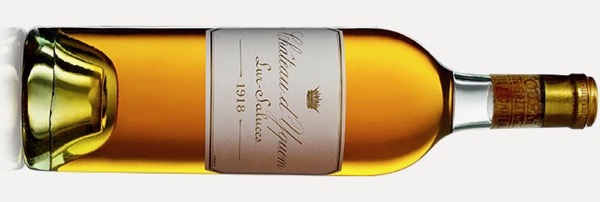

Botrytis cinerea, also known as “noble rot” is a fungus that colonizes the grape and causes water to evaporate through the skin of the fruit.
Under the perfect conditions with the right amount of humidity and heat Botrytis will transform the grapes into “drops of gold”.
With the effects of noble rot, the sugar and juice of the grapes become highly concentrated, well beyond ordinary ripeness.
The sugar levels inside the grapes become more concentrated, far in excess of normal ripening: 18-30° potential alcohol, i.e. 300-600 grams of sugar per litre!
Noble rot = French: pourriture noble. German: Edelfäule. Italian: Muffa nobile. Hungarian: Aszúsodás.
Wines where Botrytis is encouraged include the aszú of Tokaj-Hegyalja in Hungary (commonly called Tokaji or Tokay), Sauternes from France – where the process is known as pourriture or pourriture noble, and Beerenauslese or Trockenbeerenauslese wines from Germany and Austria.
When Botrytis goes pear shaped you end up with grey rot. The grapes become spoiled, acetic acid bacteria populate them and they are virtually unusable.
Below you can see images of Bortytis infected fruit, noble rot, in grapes from Château d’Yquem. The video explores the climatic conditions necessary and shows pickers making a pass through the vineyard picking only the perfectly infected grapes.


Different Level of Botrytis infection in Riesling Grapes at Dr Loosen in Germany’s Mosel.
Beyond the lightly sweet Kabinett and Spätlese bottlings, made without botrytis, there are three Prädikat levels of botrytis-selection wines that get progressively sweeter: Auslese, Beerenauslese [berry selection] and Trockenbeerenauslese [dried berry selection]. In addition, when vintage conditions allow it, we produce Eiswein from grapes that have frozen on the vine.
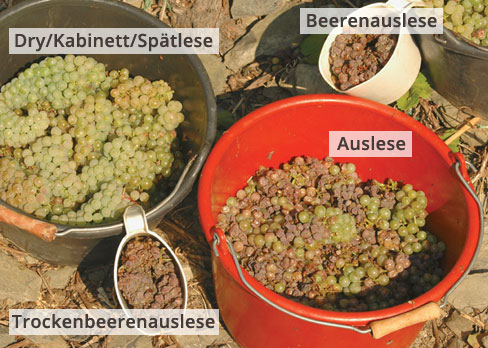
The picture from Dr Loosen above is a great illustration of the different conditions of grapes at harvest and the styles they are destined to make. You can see the level of Botrytis and shrivel / raisining increasing as we move through the styles from Kabinett to Trockenbeerenauslese. The Botrytis or Noble Rot, imparts wonderful flavours and textures to the wine, and is to be revered like the blue moulds of Rocquefort and the washed rind cheeses of Munster in Alsace, appropriately both cheeses marry beautifully with a glass of Riesling.
Note how the buckets are colour coded according to the end destination of the fruit and how little of the Trockenbeerenauslese is produced. The skill of pickers and willingness to pass through the vineyard several times to ensure all grapes are picked at the optimal time is the key to success.
The freshest style is Kabinett and as you move up the scale you’ll see additional complexity added by botrytis and other winemaking influences in addition to greater levels of sweetness. Each style whether Kabinett or Eiswein being perfect for consumption on different occasions with different foods. The Beerenauslese, Trockenbeerenauslese, and, Eiswein being exceptional dessert wines. Kabinett and Spätlese being suited to table wine consumption. The standard line for the German’s being that where the English offer tea to guests in the afternoon the German’s offer Kabinett or Spätlese wines, more akin to a table wine. That said I devoured a Wagner-Stemple Kabinett, with pasta and cheese on a 38°C day in Melbourne, perfection! Auslese sitting on either side depending on the style the estate makes.
This intense sorting process is beautifully articulated by Ernie Loosen from 2min 25sec in the vineyard below.

You must be logged in to post a comment.