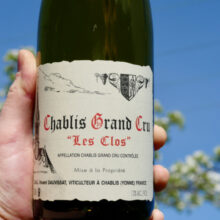
Appellation d’Origine Contrôlée [AOC]


In France, the appellation d’origine contrôlée (“controlled designation of origin”), or AOC, is a certification of authenticity granted to certain geographical indications for agricultural products, including cheese, meats, butter and most importantly, wine!

« Back to Wine Words Index

In France, the appellation d’origine contrôlée (“controlled designation of origin”), or AOC, is a certification of authenticity and quality granted to certain geographical indications for agricultural products, including cheese, meats, butter and most importantly, wine. It is a system governed by the Institut national de l’origine et de la qualité (INAO), and is based upon ideas of terroir and a form of geographic and cultural protection.

France established the INAO in 1935 in an effort to control the reputation of wine and other cultural foods. Support for the creation of the AOC itself was in large part due to winemaker Baron Pierre Le Roy, which led to the first designated AOC: Châteauneuf-du-Pape.

By 1937, the establishment of the AOC for classic winemaking regions such as Bordeaux, Burgundy, and Champagne took place, setting about standards and rules that are still in effect today. For example, AOC laws ensure that if you buy a bottle of French wine labelled “Champagne,” you’re getting a sparkling wine made in the traditional method from the region of Champagne with Chardonnay, Meunier, and/or Pinot Noir.

There are currently over 300 French wines entitled to the designation AOC on their label, along with several potential designations within an AOC that reflect location and quality. For example:

  • Regional: This refers to the broadest sense of an AOC. Examples: Bordeaux, Burgundy.
  • Sub-Regional: Within those regions are smaller subregions known for more specific wine or terroir. Examples: Bordeaux’s Médoc sub-region, Burgundy’s Chablis sub-region.
  • Commune/Village: Narrowing further within a subregion, these areas are sometimes only a few miles in scope. Examples: Pauillac in Médoc, Côtes d’Auxerre in Chablis.
  • Special Classification: An AOC might be further specified for quality at this point, indicating a Cru, which refers to a specific vineyard or group of vineyards typically recognized for quality.

Similar systems exist in other European countires, such as the Denominazione di Origine Controllata in Italy.

« Back to Wine Words Index

Feeling Thirsty?

Domaine Thibert Pouilly-Vinzelles ‘Les Longeays’ 2018

Chardonnay | Pouilly-Fuisse, Burgundy

“The 2018 Pouilly-Vinzelles Les Longeays is lovely, mingling notions of peach, pear and orange oil with scents of freshly baked bread, buttery pastry and classy new oak. Medium to full-bodied, satiny and penetrating, with racy acids and a long, saline finish, it's a terrific wine of real character. 2022 -2035”William Kelley 93 Points, Burghound 89-91 ♥ Outstanding Top Value 
$139
$134ea in any 3+
$129ea in any 6+

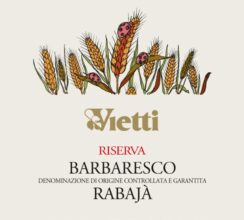
Vietti Barbaresco ‘Rabajà Riserva’ 2019

Nebbiolo | Piedmont, Barbaresco

The 2019 Barbaresco Riserva Rabajà is a new wine from Vietti. It soars out of the glass with a captivating bouquet redolent of crushed flowers, herbs, mint and orange peel. The aromatics alone are beguiling. Nervy and classic in build, with gorgeous inner sweetness, the 2019 is utterly irresistible.Antoni Galloni, Vinous 95 PointsVietti worked in the Rabajà cru in the 1980s and has now returned to make this inaugural vintage of the latest wine to join the portfolio. And what a stun
$707
$697ea in any 3+
$687ea in any 6+
"Here the brooding and very restrained nose is certainly ripe yet it's still almost classic with its aromas of mineral reduction, citrus peel, sea breeze, oyster shell and apple. Once again, the mouthfeel of the larger-scaled flavors is quite sleek with outstanding intensity along with abundant minerality while exhibiting excellent power on the dense and serious and bone-dry finish that also displays huge length. I did note just enough backend warmth to mention though otherwise this is superb. D
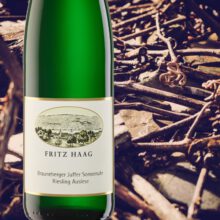
Highly refined on the nose and shows delicately aromatic fruit with a nose -tickling minerality of crushed stones and herbs. Round and juicy as well as highly finessed and salty on the palate, this is a fantasti c sweet Riesling. It is so fine and filigreed, so delicate and salty that you don't taste any sweetness here—just a dream of the finest Mosel Riesling. This is dangerously good, piquant and tensioned, and you will drink a bottle far too quickly. An outrageous Auslese! Drink 2026-2060
$70
$67ea in any 3+
$64ea in any 6+