Tartrate


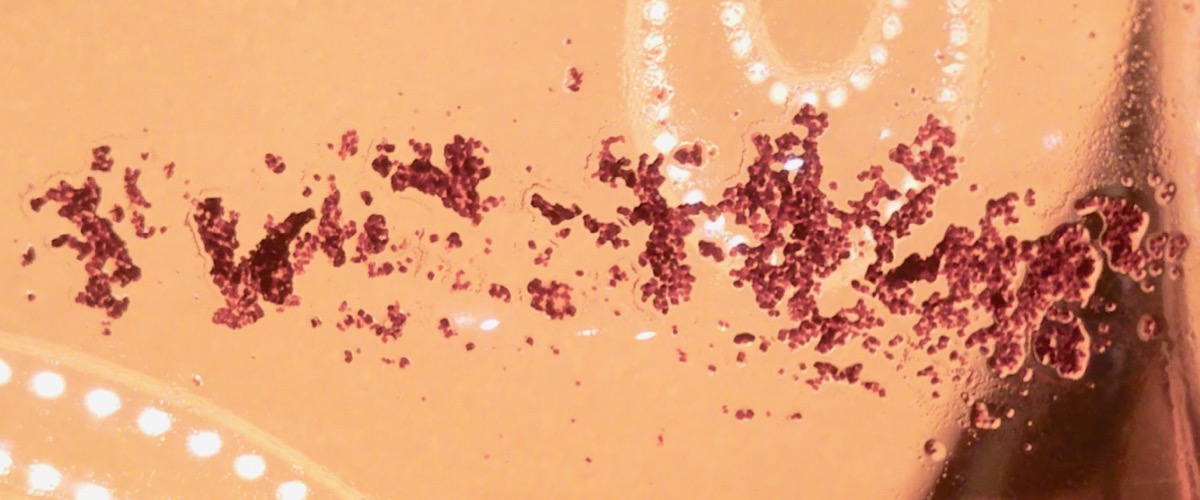
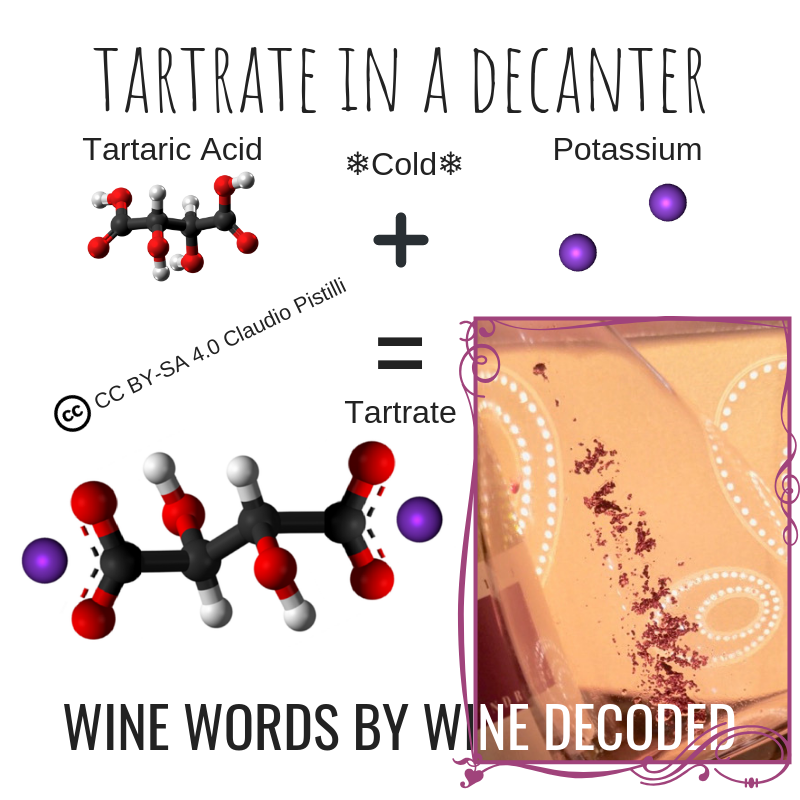
Tartrate is a crystal formed when Tartaric Acid reacts with Potassium as the temperature of a wine cools.

Also known as Wine Diamonds, Tartrate is harmless, settles quickly to the bottom of the bottle and can be removed by simply decanting.

« Back to Wine Words Index

Tartrate is a crystal formed when Tartaric Acid reacts with Potassium as the temperature of a wine cools.

Also known as Wine Diamonds, Tartrate is harmless, settles quickly to the bottom of the bottle and can be removed by simply decanting.

Tartrate in it’s pure form is also known as Cream of Tartar. It is used in baking, and, is an ingredient in baking powder. You guessed it, they source the tartrate from the wine industry!

Both Tartaric Acid and Potassium are naturally present in grapes. The solubility of Tartaric Acid and Potassium is dependant on temperature, alcohol concentration, pH and a number of other factors.

Commercial wines are typically made cold stable by chilling the wine down to close to 0ºC encourage tartrate crystallisation, the crystals are then removed by filtering or natural sedimentation followed by racking the wine. There are a number of other methods to achieve this result.

It’s common to see Tartrate in wines that have high acidity, Sauternes, German & Alsatian Riesling, Nebbiolo and many others.

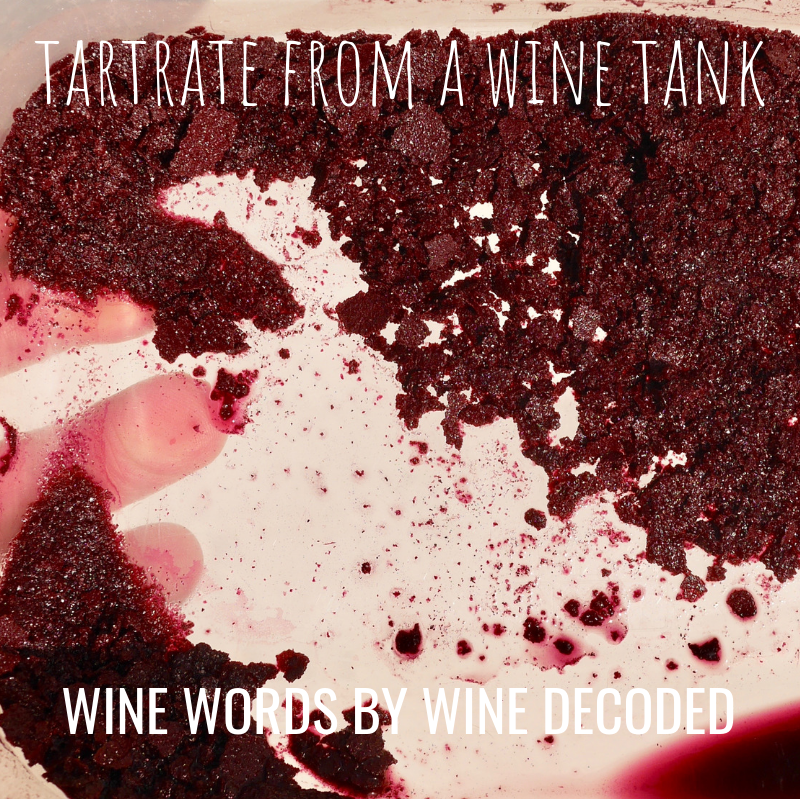
Below is a picture of tartrate from the bottom of the tank when we racked the 2017 Shiraz after it’s second winter cooling in 2018. You can see it’s picked up a bit of colour too.
The cork of a 30 year old Botrytis Riesling with tartrate crystals on it.

The Chemistry

The decanter after a 2013 Sandrone Barbera was polished off. Barbera has very high natural acidity and is prone to forming tartrate in the bottle.
Synonyms:
Wine Diamonds
« Back to Wine Words Index

Feeling Thirsty?

A striking young wine, Dauvissat's brilliant 2020 Chablis 1er Cru La Forest unfurls in the glass with aromas of crisp orchard fruit, orange oil, pear, oyster shell, freshly baked bread and smoke, framed by a deft touch of reduction. Medium to full-bodied, deep and multidimensional, it's taut and concentrated, with racy acids, chalky structuring and a long, searingly mineral finish. Recent years have delivered so many brilliant renditions of La Forest that it's hard to pick a favorite between the
Many of Barolo's greats would argue that you should judge a maker on their Dolcetto before their Nebbiolo! Giacosa does Dolcetto justice. The missing links for Dolcetto are typically sorting reduction and developing the wine sufficiently. Giacosa jumps those hurdles with ease and breezes past the finish line with quality fruit & considered handling to offer us a wine with a refined mouthfeel.Savoury, vibrant, dark, with an excellent core of fruit thirst-quenching and delicious. Straight
$70
$67ea in any 3+
$64ea in any 6+

Weinbach Grand Cru Furstentum Pinots 2021

White Blend | France, Alsace

Lovely perfume, faint line of lanolin / wet wool. Restrained and sophisticated lovely mid-palate, graceful yet powerful. Such incredible harmony, this is insanely good.So much going on here. Morphs and evolves in the glass, pear with a savoury layer and beyond reminds me to some degree of the Gobelsburg 3 year in style. Seriously impressive gear.“This effortlessly integrates the rich and creamy, spicy and textural sides of Alsace wines to create a powerful yet animating whole. Lot
$220
$210ea in any 3+
$200ea in any 6+

Thibaud Boudignon Savennières ‘Franc de Pied’ 2022

Chenin Blanc | Savennières, D'Anjou-Saumur

Hailing from ungrafted vines on the Clos de la Hutte vineyard, the 2022 Savennières Franc de Pied blossoms and expands in the mouth. Massive concentration sits within its delicate core. There's a bright line of citrusy acidity that carries this wine from start to finish with a residual saltiness, leaving you licking the inside of your mouth. It is restrained aromatically, focusing quietly on texture, essence and substance. Drink 2025-2037Rebecca Gibb MW, Vinous 97 Points
$678
$658ea in any 3+
$638ea in any 6+