Complantation


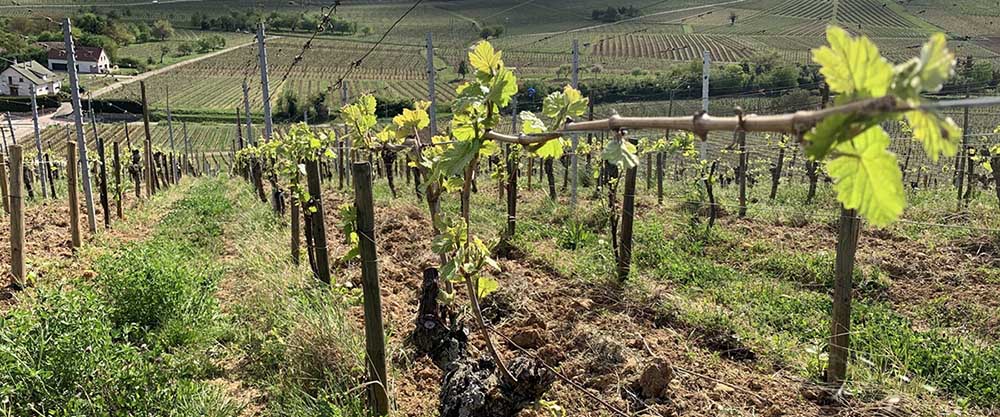
Complantation is the practice of planting multiple grape varieties in a single terroir. It is the oldest form of viticulture known before the appearance of clones and the depletion of biodiversity. It ensures regular harvests by creating a complex and naturalist ecosystem.

« Back to Wine Words Index

Complantation is the practice of planting multiple grape varieties in a single terroir. It is the oldest form of viticulture known before the appearance of clones and the depletion of biodiversity. It ensures regular harvests by creating a complex and naturalist ecosystem.

Wines produced using complantation are commonly known as field blends. The grapes grown together in the same field or vineyard, then picked and fermented at the same time. These unique wines are different than the typical blends we know today, like those of Bordeaux, where grapes are grown and vinified separately.

Many complantation vineyards are well-established and have likely come into being through massal selection, the practice of replanting new vineyards with cuttings from exception old vines from the same or nearby vineyards. Today, this traditional method of vineyard propagation has been replaced with clonal selection, where a vineyard is propagated by vines from a vine clone nursery.

A new generation of winemakers, such as Alsatian Marcel Deiss, are making the shift towards complantation due to its long-term benefits of increasing genetic variation among vines, improving biodiversity in the surround ecosystem and producing more unique wines that better reflection of the locale terroir.
Synonyms:
Field Blend
« Back to Wine Words Index

Feeling Thirsty?

Giovanni Sordo Barolo 'Monprivato' 2016
The Super Stars!

Giovanni Sordo Barolo ‘Monprivato’ 2016

Nebbiolo | Piedmont, Barolo

All about delicacy, almost Barbaresco-like with roses, strawberry, orange and musk. Palate is big; bigger than Rocche and with some clear ripe red fruit flavours and that Castiglione acid/tannin bonding. Has energy. Should do big things. Slowly. Started dense and fragrant...then shut down. All about delicacy, almost Barbaresco-like with roses, strawberry, orange and musk. Slowly opens, to cranberry, fading flowers and more dense elements of cherry liqueur cinnamon and tobacco. A brilliant classy
$329
$319ea in any 3+
$309ea in any 6+
This is the largest and most famous Grand Cru; its fame based on its history as one of Chablis’ first vineyards. The appellation enjoys a southerly aspect with very white, dense and deep clay soil, resting on a limestone bed 80 cm below the ground, which brings to the wine those spicy notes so typical of this terroir.Note: from 4 separate parcels totaling 4.11 ha, 3 of which are all at the top of the slope. If Kimmeridgian could be distilled, it would likely smell exactly like the nos
$330
$315ea in any 3+
$300ea in any 6+
The 2017 Barolo Gramolere is a powerful, tightly wound wine full of Monforte tension. Readers will have to be patient. Dark-fleshed fruit, spice, menthol, licorice and sage add layers of aromatic intrigue to this firm, hulky Barolo. The 2017 takes all the Gramolere signatures and turns up the volume.Antonio Galloni, Vinous
$240
$230ea in any 3+
$220ea in any 6+
Great intensity and transparency! “The 2021er Wehlener Sonnenuhr Riesling Spätlese is really restrained and almost non-saying at this early stage, but already hints at the complexity to come as it reveals after a few minutes very delicate notes of whipped almond cream, lily flowers, vineyard peach, minty herbs, smoke, candied grapefruit, and quite some fine spices. The wine proves creamy yet intense and dynamic on the palate. It proves very focused and already hugely long. This will need quit
$360
$350ea in any 3+
$340ea in any 6+