Size & Type
Other

Location
Without doubt the two greatest drivers of the French wine industry have been the concept of Terroir and the establishment of the Appellation d’origine contrôlée.
Combined these have defined a philosophical approach to growing and making wine and enforced strict controls of grape varieties that can be planted in each region and winemaking practices that can be employed.
Frances has come through with flying colours, successive generations have been better trained, spent time in the New World exposing them to different techniques for growing vines and making wine, and, have been able to push the boundaries to achieve excellence.
First Records of Wine Production – Go back millennia to the 6th century BC. The Greeks kicked things off with the Romans ramping things up. Those Romans got around and took their vines and wines with them! Over time the wealth of the Monastries took over much of the production. Nobility took their turn until the guillotine fell!
Founding Figures – In ‘recent times’, technical advancement in the industry were driven by Minister of the Interior, Jean-Antoine Chaptal following the French revolution, work done by Louis Pasteur in the 19th century, and, the Emperor Napoleon III commissioning of the 1855 classification of Bordeaux.
Area Planted – with around 630,000 hectares of vines France produces 17% of the World’s wine
Established Regions – When we think French wine, the regions that immediately come to mind are Champagne with its fizz, Bordeaux’s Cabernet blends and Sauternes, Burgundy’s Pinot and Chardonnay, the Rhône Valley’s Shiraz, Grenache, Marsanne & Roussane, and, Alsatian Riesling.
Most Common Varieties
White – From greatest area planted down the top red varieties are Ugni Blanc, Chardonnay, Sauvignon Blanc, Melon de Bourgogne, Sémillon, Chennin Blanc, Colombard, Muscat Blanc à Petits Grains, Grenache Blanc, Viognier, and, Riesling.
Red – The list doesn’t surprise the order they come in does from greatest area planted down the top red varieties are Merlot, Grenache, Syrah, Carignan, Cabernet Sauvignon, Cabernet Franc, Gamay, Pinot Noir, Cinsaut, Pinot Meunier and Mourvèdre.
Up and Coming Regions – In recent times we’ve seen the Rosé of Provence, the hidden gems from the Languedoc, Jura and Loire Valley increasing in popularity.
Showing of wines
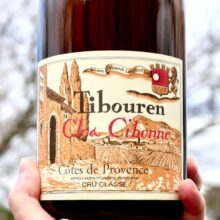
Rosé Blend from Côtes de Provence, France
Crafted predominantly from the rare Tibouren grape, with a small proportion of Grenache, the 2024 release continues the estate’s signature style: structured, textural rosé elevated well beyond typical seasonal drinking. The wine is partially aged in old oak foudres under flor, lending a savory complexity, subtle saline character, and notable aging potential.This wine is made from the most historic part of the Clos Cibonne property. 90% Tibouren and 10% Grenache - this is how rosé w
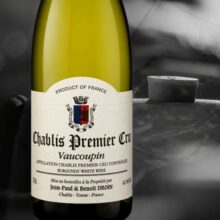
Chardonnay from Chablis, Burgundy
The 2023 Chablis 1er Cru Vaillons bursts with aromas of white flowers and peach, followed by a medium to full-bodied, satiny and suave palate that's pure, seamless and charming.William Kelley, The Wine Advocate 91 PointsA discreet application of wood sets off notes of white pepper, acacia blossom, spice and just enough Chablis typicity to be interesting. On the palate there is again both good volume and refinement to the generously proportioned middle weight flavors that possess a sa
Chardonnay from Chablis, Burgundy
A more elegant and slightly cooler nose freely reveals its aromas of shellfish, white flower and mineral reduction. The sleeker and more intense medium-bodied flavors flash evident minerality on the nicely punchy finish where a touch of lemon zest-tinged acidity helps keep the proper balance. This does though need better depth so a few years of keeping are recommended. Allen Meadows, Burghound 88-91 Points
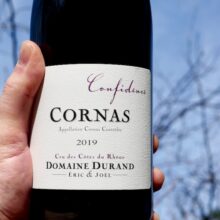
Shiraz/Syrah from Cornas, Northern Rhône
The sophistication and depth of tannin here is impressive. Again a lick of cleverly used, integrated oak hiding behind the fruit that will disappear completely with a little time in bottle. The extra year already sees it resolving. Silky, super fine grape tannins run the length of the palate with lingering fruit of energy. The graphite and mineral thing happening. Even with one extra year the complexity is building. Fresh clean and precise wines with plenty more to come. The 2019 Corn
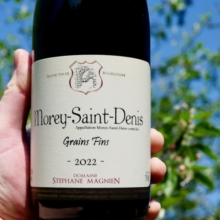
Pinot Noir from Morey-Saint-Denis, Côte-de-Nuits
There's a great purity & vibrancy to Magnien's wines. His Faconnières is superb! A fresh, bright and airy nose reflects notes of mostly red berries and newly turned earth. The supple, round and agreeably textured flavors are not especially dense but the finish is also inviting despite being dusty and youthfully austere. A few years of patience should be beneficial. Drink: 2028+Allen Meadows, Burghound 88-91 Points
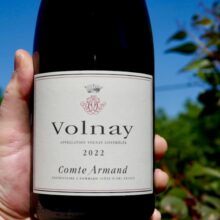
Pinot Noir from Volnay, Côte du Beaune
Here the expressive nose features a broader range of spice elements to the ripe and fresh aromas of cassis, black raspberry and violet scents. The notably finer but not denser medium-bodied flavors possess a lovely texture thanks to the relatively fine-grained tannins shaping the youthfully austere finale. This velvet-textured effort should also be capable of repaying mid-term keeping. (from Les Grands Champs and Les Famines) 2028+ ♥ OutstandingAllen Meadows, Burghound (89-91) Points
Pinot Noir from Savigny-lès-Beaune, Côte du Beaune
Pavelot's Top wine rates as one of the few remaining bargains in Burgundy! Delicious. Energy, length & depth, fine even velvety tannins. A little musk, red and darker berry fruits. Nice bit of baking spice, roast beetroot / blood, savoury with a whiff of graphite, together, fun, excellent drinking. A delicacy wrapping a little power. Love the line and length. Great harmony and expression. Plenty more to come from this with time.Paul Kaan, Wine DecodedAlso available as a Magnum!
Pinot Noir from Savigny-lès-Beaune, Côte du Beaune
Pavelot's Top wine rates as one of the few remaining bargains in Burgundy! The 2019 is on the edge of the next phase of life, still incredibly youthful, a hint of secondary character is sneaking through. As seems always to be the case with Pavelot's top 1er Cru 'La Dominode' it hold a wonderful balance between ripeness, energy and vitality, subtle well handled oak balancing the sunshine the village of Savigny typically offers. Opulent and plush, mulberries play with a fine line of spice. A clea
Chenin Blanc from Vouvray, Touraine
77 g/L. This sports a flamboyant edge, with apple crumble, ginger cream, quince paste, green tea and honeysuckle notes forming a wide panoply of aromas and flavors, while sweet and racy accents contrast, creating a lengthy finish where everything hangs in harmony. A stunning show of fruit and precision.James Molesworth, Wine Spectator 97 Points
Pinot Noir from Beaune, Côte du Beaune
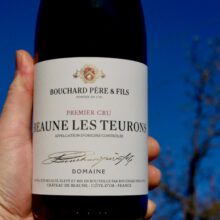
Four years after its release, Bouchard's 1er Teurons is drinking beautifully. It's in a lovely space. Fully resolved, a wonderful array of complex aromas lift from the glass, leaning toward the earthy, fine shroom, savoury, darker fruited side of the spectrum. A very subtle layer of oak complementing the fruit beautifully. It's both intriguing and enticing. A soft, plush mouthfeel with delicate tannins and modest acidity offers generosity and comfort. Lot's of fun and great value for the coin.
Chardonnay from Chablis, Burgundy
Named after the aristocrat who was once the landlord of this parcel, La Pièce au Comte was the Tremblays’ first vineyard holding in Chablis. Covering a single hectare, it lies in the heart of Fourchaume, and until 2014, its oldest vines were 80 years old (having been planted in 1934). These vines have since been replanted with mass-selection cuttings, although the remainder still date from the 1950s. Romain Bessin explains that the vines here suffer from court-noué, which causes a decline
No wines match your filters
Try removing a filter or broadening your selection.
We couldn't load the wines just now.
You've seen all wines