Tartrate


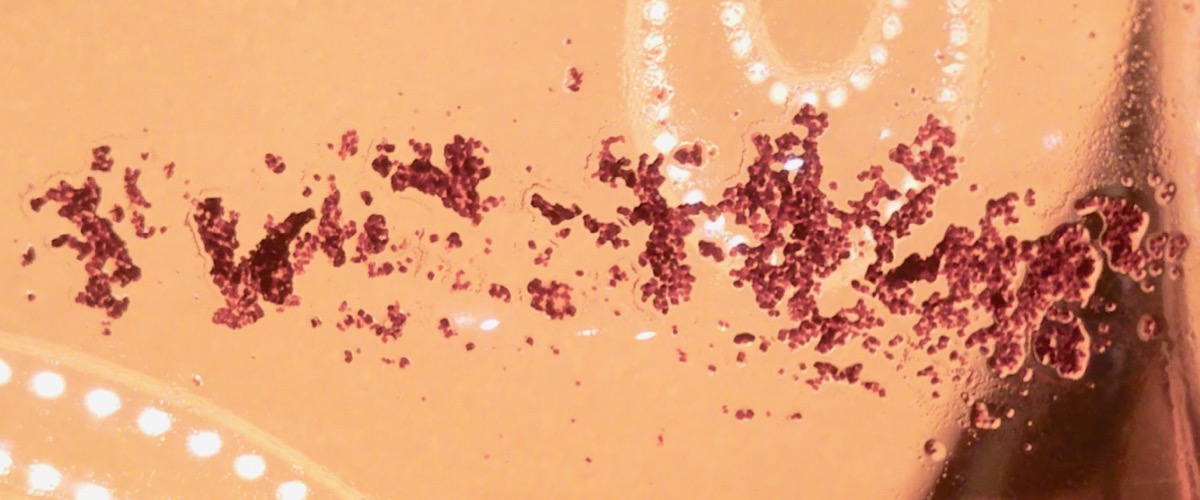
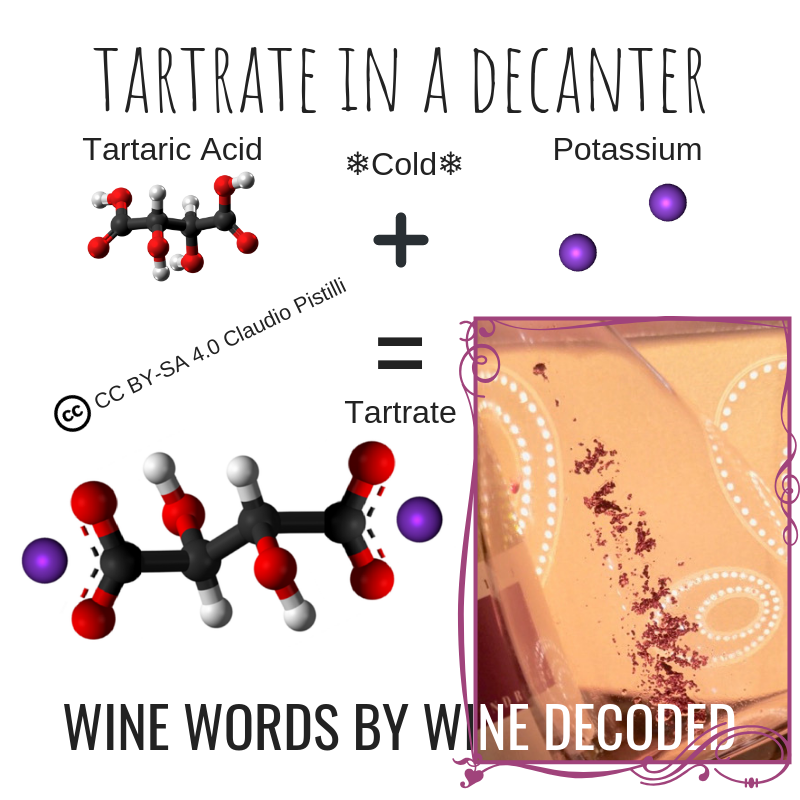
Tartrate is a crystal formed when Tartaric Acid reacts with Potassium as the temperature of a wine cools.

Also known as Wine Diamonds, Tartrate is harmless, settles quickly to the bottom of the bottle and can be removed by simply decanting.

« Back to Wine Words Index

Tartrate is a crystal formed when Tartaric Acid reacts with Potassium as the temperature of a wine cools.

Also known as Wine Diamonds, Tartrate is harmless, settles quickly to the bottom of the bottle and can be removed by simply decanting.

Tartrate in it’s pure form is also known as Cream of Tartar. It is used in baking, and, is an ingredient in baking powder. You guessed it, they source the tartrate from the wine industry!

Both Tartaric Acid and Potassium are naturally present in grapes. The solubility of Tartaric Acid and Potassium is dependant on temperature, alcohol concentration, pH and a number of other factors.

Commercial wines are typically made cold stable by chilling the wine down to close to 0ºC encourage tartrate crystallisation, the crystals are then removed by filtering or natural sedimentation followed by racking the wine. There are a number of other methods to achieve this result.

It’s common to see Tartrate in wines that have high acidity, Sauternes, German & Alsatian Riesling, Nebbiolo and many others.

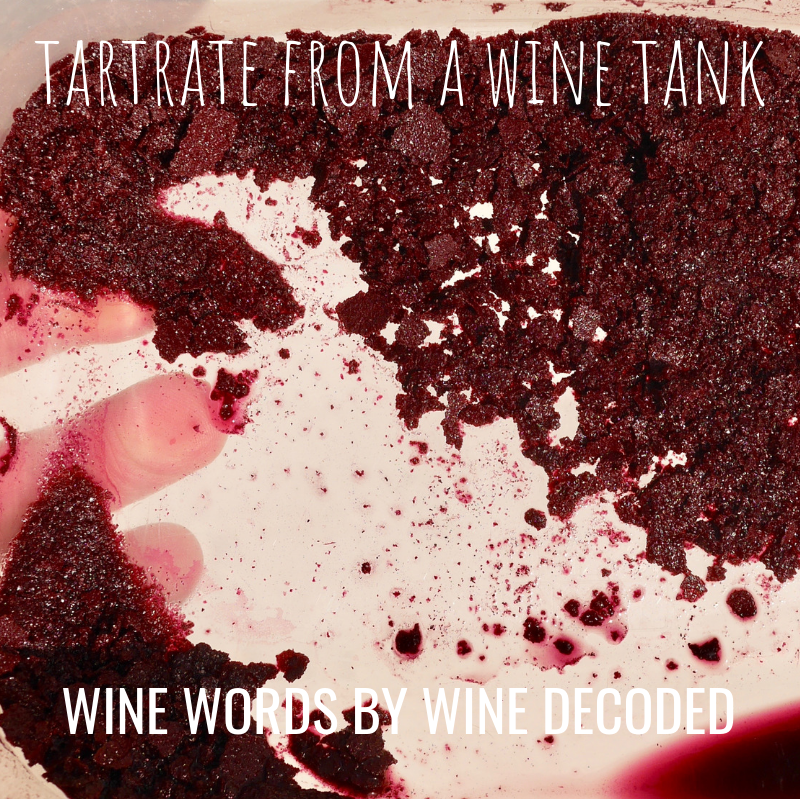
Below is a picture of tartrate from the bottom of the tank when we racked the 2017 Shiraz after it’s second winter cooling in 2018. You can see it’s picked up a bit of colour too.
The cork of a 30 year old Botrytis Riesling with tartrate crystals on it.

The Chemistry

The decanter after a 2013 Sandrone Barbera was polished off. Barbera has very high natural acidity and is prone to forming tartrate in the bottle.
Synonyms:
Wine Diamonds
« Back to Wine Words Index

Feeling Thirsty?

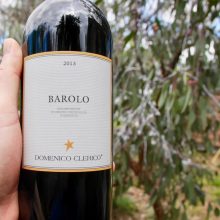
Domenico Clerico Barolo 2013
Masculine Precise

Domenico Clerico Barolo 2013

Nebbiolo | Piedmont, Barolo (sub-region)

From one of the Barolo Boys, it's only fitting that 2013 has ended up as the release in the year of Domenico's Passing A Barolo with a great purity of darker fruit, hints of tar, and, a perfumed lift of violets. Just a lick of oak adding to the wine's complexity. Lovely generosity and length of fruit. Long even tannins.
$120
$115ea in any 3+
$110ea in any 6+

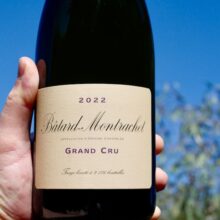
Domaine de la Vougeraie Grand Cru ‘Bâtard-Montrachet’ 2022

Chardonnay | Puligny-Montrachet, Burgundy

Generous but not dominant wood sets off intensely floral-suffused aromas of white peach, spice, acacia and citrus confit. The palate impression of the medium-bodied flavors is not as dense, mineral-driven or powerful but they are still impressive, especially in the context of having even better depth and persistence. This is a stylish and ageworthy Bâtard. (from a .38 ha holding divided into 3 parcels, two of which are on the Chassagne side and the remainder on the Puligny side of the divide) 2
$1,323
$1303ea in any 3+
$1283ea in any 6+
AP 16.20 The 2019er Hofberg Spätlese, as it is referred to on the consumer label, was harvested at 93° Oechsle from vines planted in 1953 on the main hill of the vineyard, and was fermented down to sweet levels of residual sugar. It proves quite backward and reductive at first, but only gradually reveals its rich and juicy nose of yellow peach, spices, golden apple, honeyed pear, and a hint of camphor. Plenty of honeyed and juicy yellow fruits give the wine some Auslese allure on the sweet pal
$89
$85ea in any 3+
$81ea in any 6+
Following on from the epic 50 year version of this wine, Michael Moosbruger plans to now release both a 3 year and 10 year version annually. Read more of the technique below. The Cuvée 3 Years Edition 850 is a blend of :Vintage:  85% 2018, 10% 2017, 5% 2016 Grapes: 80% Grüner Veltliner,  20% RieslingThis is an epic wine of intensity yet delicacy. Perfumed with incredible complexity and a seamless mouthfeel. Entrancing, divine wine that require deep thought and patience to make. Soft
$100
$95ea in any 3+
$90ea in any 6+