Tartrate


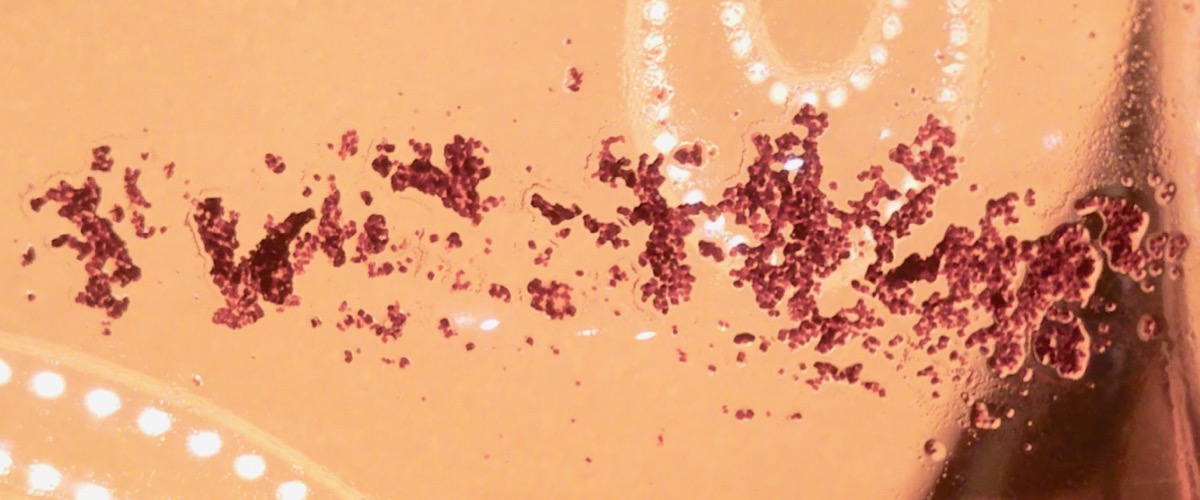
Tartrate is a crystal formed when Tartaric Acid reacts with Potassium as the temperature of a wine cools.

Also known as Wine Diamonds, Tartrate is harmless, settles quickly to the bottom of the bottle and can be removed by simply decanting.

« Back to Wine Words Index

Tartrate is a crystal formed when Tartaric Acid reacts with Potassium as the temperature of a wine cools.

Also known as Wine Diamonds, Tartrate is harmless, settles quickly to the bottom of the bottle and can be removed by simply decanting.

Tartrate in it’s pure form is also known as Cream of Tartar. It is used in baking, and, is an ingredient in baking powder. You guessed it, they source the tartrate from the wine industry!

Both Tartaric Acid and Potassium are naturally present in grapes. The solubility of Tartaric Acid and Potassium is dependant on temperature, alcohol concentration, pH and a number of other factors.

Commercial wines are typically made cold stable by chilling the wine down to close to 0ºC encourage tartrate crystallisation, the crystals are then removed by filtering or natural sedimentation followed by racking the wine. There are a number of other methods to achieve this result.

It’s common to see Tartrate in wines that have high acidity, Sauternes, German & Alsatian Riesling, Nebbiolo and many others.

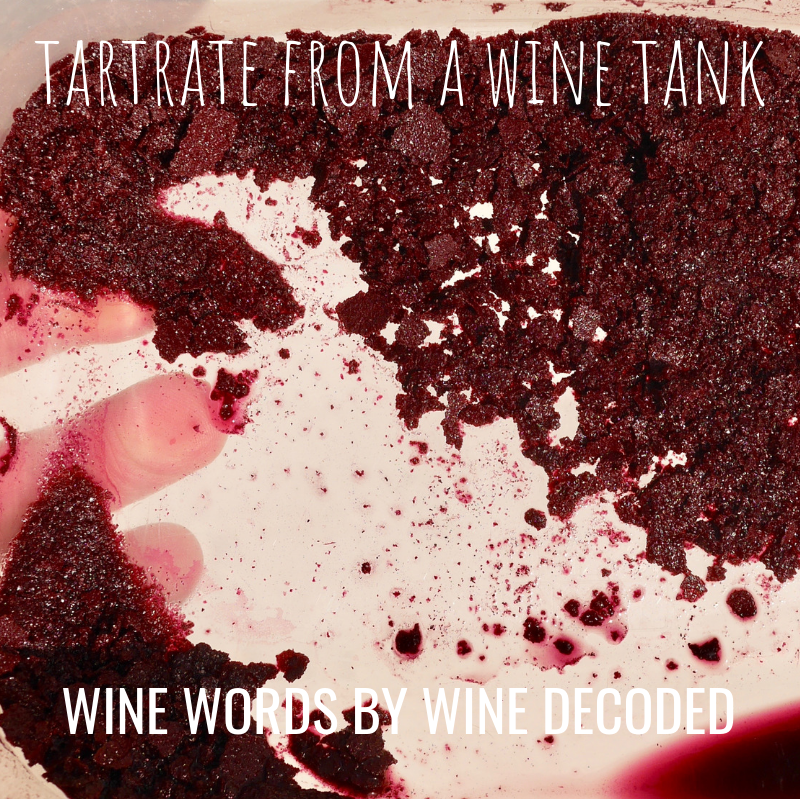
Below is a picture of tartrate from the bottom of the tank when we racked the 2017 Shiraz after it’s second winter cooling in 2018. You can see it’s picked up a bit of colour too.
The cork of a 30 year old Botrytis Riesling with tartrate crystals on it.

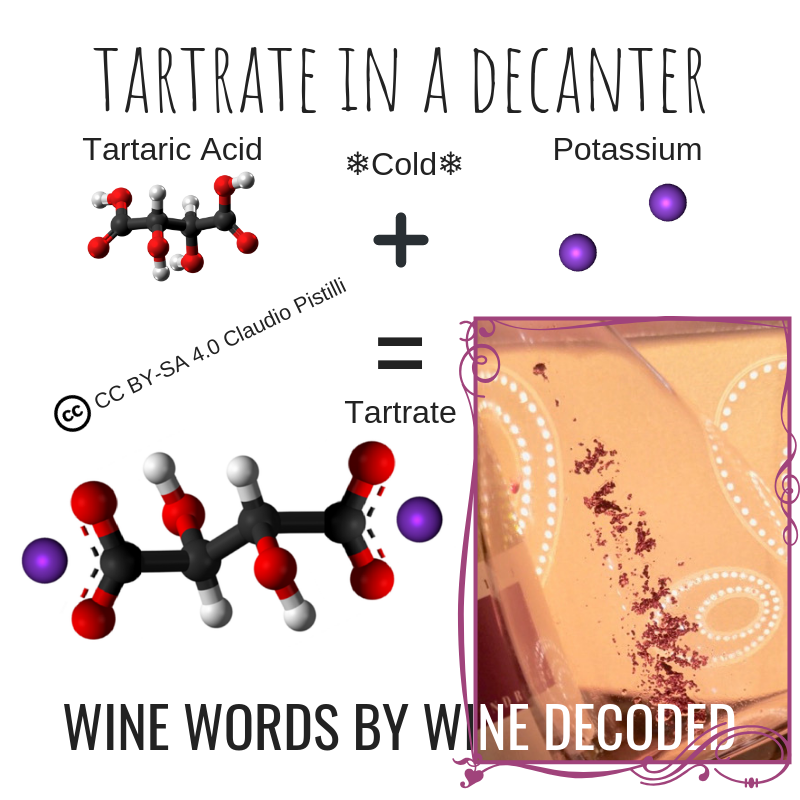
The Chemistry

The decanter after a 2013 Sandrone Barbera was polished off. Barbera has very high natural acidity and is prone to forming tartrate in the bottle.
Synonyms:
Wine Diamonds
« Back to Wine Words Index

Feeling Thirsty?

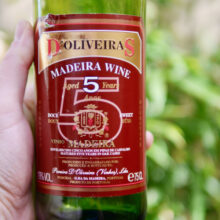
Pereira D'Oliveiras 5 Year Old Tinta Negra Sweet (20% Malvazia)
Sweet - 100+g/l
A very elegant nose with a touch of rancio volatility that sings against a rich backdrop of toffee, prunes and a prickle of baking spice and sweet liquorice. Weighty but wonderfully fresh on the palate with sweet dried fruit, warming spice and a touch of something savoury, charry, almost medicinal. This wine walks the tightrope of richness and finesse beautifully.
$85
$81ea in any 3+
$77ea in any 6+
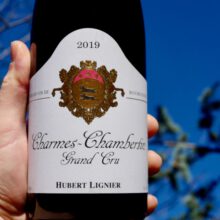
"Deeper and more structured than the Griotte, Lignier's 2019 Charmes-Chambertin Grand Cru unwinds in the glass with notes of blackcurrants, cherries, sweet soil tones, wilted rose petals and spices. Medium to full-bodied, rich and layered, it's ample and voluminous, with velvety tannins, succulent acids and a broad, expansive finish."William Kelley, The Wine Advocate
$1,220
$1200ea in any 3+
$1180ea in any 6+
This is the largest and most famous Grand Cru; its fame based on its history as one of Chablis’ first vineyards. The appellation enjoys a southerly aspect with very white, dense and deep clay soil, resting on a limestone bed 80 cm below the ground, which brings to the wine those spicy notes so typical of this terroir.Note: from 4 separate parcels totaling 4.11 ha, 3 of which are all at the top of the slope. If Kimmeridgian could be distilled, it would likely smell exactly like the nos
$168
$163ea in any 3+
$158ea in any 6+
Le Baroncole is made from 97% Sangiovese and 3% Canaiolo grapes. The initial stages of its production are the same as Chianti Classico but it is then aged in barriques for between 16 to 20 months, bottled unfiltered and held for a further six months prior to release.Here's a beautiful bottle from San Giusto a Rentennano that outperforms dozens of wines from the appellation that are priced two or three times higher than this. The organic 2021 Chianti Classico Riserva Le Baròncole is incr
$127
$122ea in any 3+
$117ea in any 6+