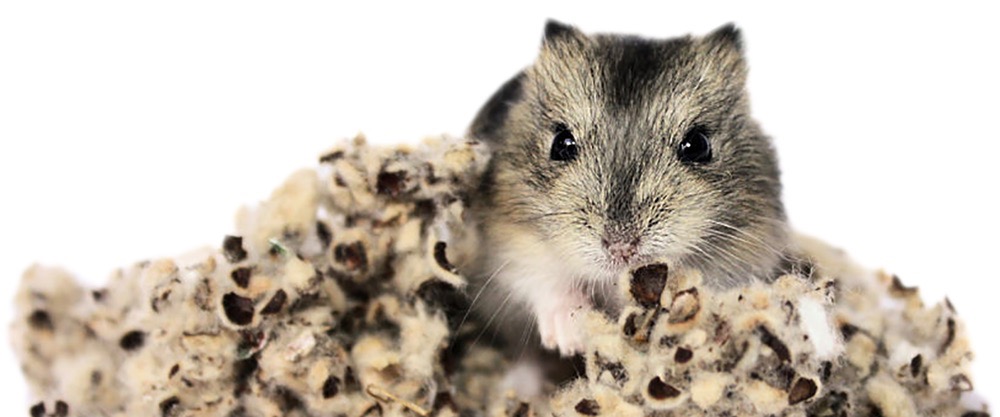

Mousiness is a wine fault.
Mousiness is produced by a number of different lactic acid bacteria (LAB), dekkera and brettanomyces yeast can also produce the compounds. It renders the wine undrinkable tasting like a soiled mouse cage. It tends to linger and leave a most obnoxious taste in the mouth.
You generally can’t smell it. It only becomes obvious after a wine is swallowed. This is because the compounds are in acidified non-aromatic forms. When you swirl the wine in your mouth, the pH increases and the compounds return to their aromatic form; you then begin to ‘smell’ the character back through your mouth into your nose.
If you suspect a wine is mousy, a simple test is to dip your finger in the wine and rub onto the base of your palm or back of your hand. The contact with skin will increase the pH of the wine and allow you to smell the character of your hand if it is present.
Around 30% of the population have a blind spot for it on the palate. There is also a wide range of sensitivities among those that can identify the character. Some people see it straight away with the flavour persisting for minutes afterwards. For others, it may take more than 30 seconds before the character even becomes apparent.
The sensory threshold ie the amount of the compounds responsible for mousiness in wine are up to 200 times lower than cork taint. One drop in an Olympic swimming pool can spoil a wine!
Beyond LAB et al producing the taint, exposure to oxygen can increase the intensity of the spoilage ie pouring it into a glass.
There is no satisfactory method to remove mousy off-flavour.
Cellar hygiene, ensuring fermentations complete and residual sugar and nitrogen levels are low, and SO2 and pH levels are appropriate are the primary areas to focus on to fix it. Filtration can also assist in reducing the problem. If you have a winery with a high population of the bugs and don’t change your practices the likelihood of the problem re-occurring is high.
Sulphur is less effective at high pH. The amount of sulphur that needs to be added to a wine to provide microbial stability is 0.8ppm in molecular form. Wineries operating with low sulphur regimes are unlikely to add sufficient sulphur to reach this level. The higher the pH the more sulphur you have to add to reach 0.80ppm molecular sulphur.
To put the amount of sulphur added to wine in context, dried fruit can have up to 40 times the amount of sulphur, French fries 20 times, frozen juices 10 times, jam 3 times, even the humble lolly can have multiple times the amount of sulphur found in wine.
The fault can develop in bottle in wines that are unfiltered with low sulphur levels and have a high pH.
References:
AWRI (2015) “Avoid mousy, off-flavours” Grapegrower & Winemaker Feb 2015 issue 613.
AWRI “Wine Flavour, Faults and Taints” viewed 11 June 2019.